 Save
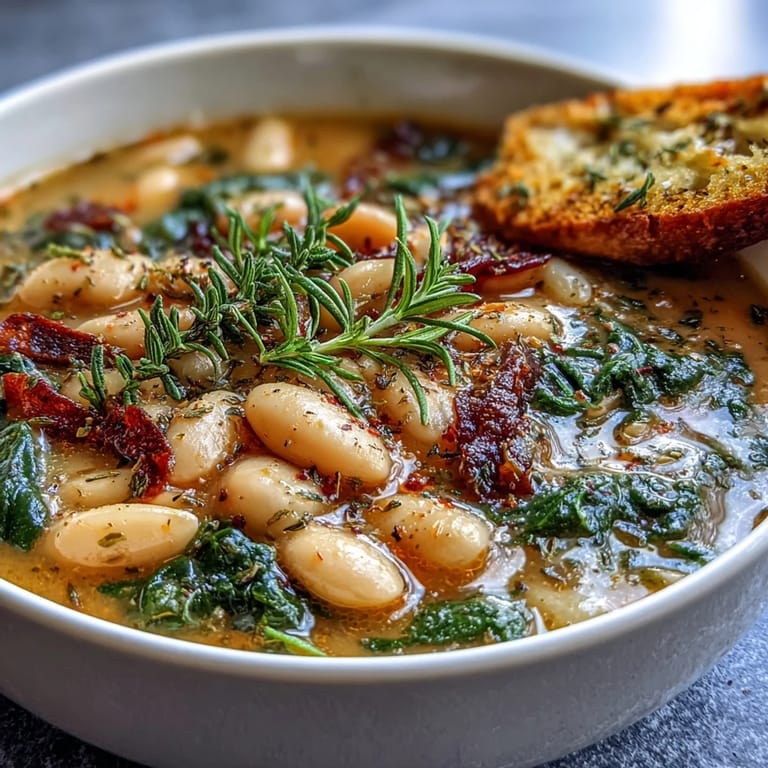
Save There's something about ladling a bowl of Tuscan white bean soup on a chilly evening that feels like wrapping yourself in a warm kitchen hug. I discovered this particular combination while flipping through a worn cookbook at a farmhouse market in Umbria, scribbling notes on napkins because I couldn't wait to get home and try it. The simplicity struck me immediately—just humble beans, vegetables, and herbs doing exactly what they're meant to do. What kept me coming back wasn't nostalgia or tradition, but the way the soup tasted different each time depending on my mood and what was in my pantry. It became the dish I make when I want to feel grounded.
I made this soup for my neighbor once when she was recovering from surgery, and she texted me a week later asking for the recipe because her daughter had asked why everything else tasted boring now. That moment taught me that the best meals aren't the complicated ones—they're the ones that remind people what real food tastes like, all garlicky and herby and unashamed about being straightforward.
Ingredients
- Extra virgin olive oil: Don't skimp on quality here because it's such a small amount that it actually matters to the final flavor.
- Yellow onion, carrots, and celery: This trio is the foundation of everything good, and taking those full six to seven minutes to soften them means you're building flavor from the start.
- Garlic cloves: Fresh is non-negotiable, and mincing them fine lets them distribute evenly instead of lurking in big chunks.
- Dried thyme and rosemary: These dried herbs hold up perfectly through the long simmer, but if you have fresh herbs on hand, add them at the very end instead.
- Chili flakes: Optional but worth it if you want just a whisper of heat that doesn't announce itself loudly.
- Cannellini beans: Canned is absolutely fine here—rinsing them removes the excess salt and starch that can make the soup cloudy.
- Diced tomatoes: The acidity cuts through the richness of the beans and adds brightness you didn't know you needed.
- Vegetable broth: Quality matters because there's no meat to carry the flavor, so use the best broth you'd be happy drinking on its own.
- Fresh spinach or kale: Spinach wilts faster and milder, while kale holds its texture if you prefer something heartier.
- Salt and black pepper: Taste as you go because everyone's broth has different sodium levels.
- Fresh parsley: Save this for garnish where you can actually see and taste it, rather than cooking it down into nothing.
- Lemon juice: A small squeeze at the end wakes everything up, but only if the soup needs it.
- Baguette or Italian loaf: A good crust matters because you want the garlic bread to be crispy, not soggy.
- Softened butter: Bringing it to room temperature means it spreads without tearing the bread.
- Parsley for the bread: A tiny bit of fresh green on top makes it look intentional instead of accidental.
Tired of Takeout? 🥡
Get 10 meals you can make faster than delivery arrives. Seriously.
One email. No spam. Unsubscribe anytime.
Instructions
- Build Your Flavor Base:
- Heat that olive oil in your pot until it's shimmering, then add the onion, carrots, and celery all together. You'll hear them hit the oil with a gentle sizzle, and over the next six or seven minutes, watch them soften from firm to tender—they should smell sweet and almost buttery before you move on.
- Wake It Up with Aromatics:
- Once your vegetables are soft, add the minced garlic along with the thyme, rosemary, and chili flakes if you're using them. Cook this for just about a minute until the kitchen smells like an Italian countryside and your mouth starts watering.
- Bring the Soup Together:
- Add your rinsed beans, the tomatoes with their juice, and the broth all at once. Bring it to a boil—you'll see the surface get lively and urgent—then lower the heat and let it settle into a gentle simmer for the next twenty minutes while you take a breath.
- Finish with Greens:
- Stir in your spinach or kale and let it wilt for about five minutes, then taste and adjust the salt, pepper, and lemon juice if you're using it. The soup should taste bright and balanced, not heavy.
- Toast Your Bread:
- While the soup simmers, mix the softened butter with minced garlic, parsley, and a tiny pinch of salt in a small bowl. Spread it over your bread slices, arrange them on a baking sheet, and slide them under the broiler for two to three minutes until they're golden and the butter is melted.
- Serve It All:
- Ladle the soup into bowls, sprinkle with fresh parsley, and set a piece of garlic bread on the side or propped right in the bowl if you're feeling casual about it.
 Save
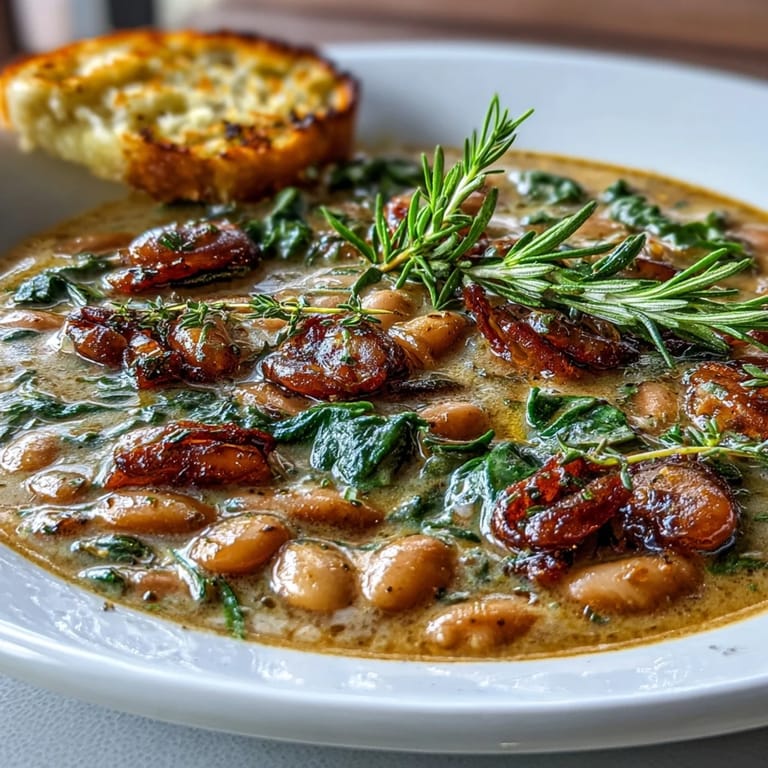
Save There was one afternoon when my daughter came home from school and immediately asked what smelled so good, and before I could explain, she was already sitting at the table with a bowl in front of her, not even asking if she was allowed to have it. That's when I knew this recipe had stopped being just food and become something that signals home.
The Bread Matters More Than You Think
I used to think the garlic bread was just a supporting player, but it's actually essential because you need something to break the surface tension of the bowl and give you a reason to dig in with your hands a little. The contrast between the crispy, buttery exterior and the soft interior is what makes this meal feel special instead of just practical. Toast it until it's genuinely golden, not pale, because that extra minute or two of heat is what makes the garlic flavor deepen and the crust crackle.
Why Canned Beans Win Here
People often apologize for using canned beans like they're admitting to a shortcut, but they're actually the right choice for this soup because they're already cooked to the perfect texture and you don't have to plan hours in advance. The rinsing step is important though—it washes away the starch that can make the broth cloudy and the sodium that can throw off your seasoning. Dried beans would take forever and split apart if you simmered them for this long anyway.
Keeping It Fresh Without Fancy Techniques
The lemon juice at the end might seem optional, but it's actually the difference between a soup that tastes homemade and one that tastes like it's been sitting for three days. A small squeeze is all you need—not enough to taste lemony, just enough to brighten everything and make you realize how much the acid was helping. If you have fresh herbs like basil or oregano on hand, tear them in at the very last second for a different kind of freshness.
- Don't add all the salt at once because your broth is already salty and you can always add more but you can't take it back.
- If the soup seems too thick, add a splash of broth or water rather than assuming it's done and needs to be served.
- This soup actually tastes even better the next day after everything has spent time together in the fridge.
 Save
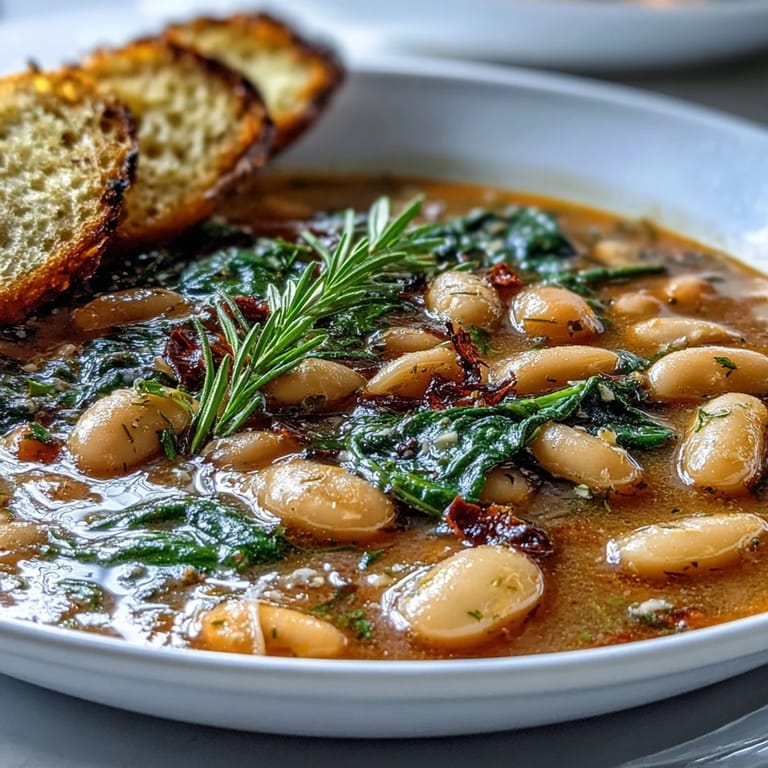
Save This soup has become my answer to almost everything—when someone's sick, when the weather turns cold, when I want to cook something that tastes like it came from love instead of a list of steps. It's one of those rare recipes that works whether you're cooking for yourself on a quiet Tuesday or feeding a table full of people you care about.
Recipe FAQ
- → What beans work best for this soup?
Cannellini beans are ideal for their creamy texture and mild flavor, but other white beans like Great Northern can be used.
- → Can I make the garlic bread dairy-free?
Yes, substitute butter with olive oil or your preferred plant-based spread to keep it dairy-free.
- → How can I add more depth to the soup?
Adding a Parmesan rind during simmering infuses a savory richness, just remember to remove it before serving.
- → What greens can I use besides spinach?
Kale or chard are great alternatives that wilt nicely and add texture to the soup.
- → Is it possible to make the soup creamier?
Mashing some beans in the pot or partially pureeing the soup with an immersion blender creates a creamier consistency.
- → What wine pairs well with this meal?
A crisp white wine, such as Pinot Grigio, complements the herbal and garlicky flavors nicely.