 Save
Save There's something about the smell of hojicha that stops me mid-afternoon—toasted, almost nutty, like someone's been gently warming chestnuts over a low fire. I discovered this drink by accident one summer when I had leftover hojicha from a quiet morning ritual and decided, on a whim, to pour it over ice instead of reheating it. The cinnamon came later, a suggestion from a friend who said it would add warmth to something so cold, and somehow that contradiction made perfect sense.
I made this for my neighbor one sticky evening when she stopped by, and she went quiet after the first sip—the good kind of quiet, the kind where you're actually tasting something instead of just drinking it. We ended up sitting on the porch for an hour, refilling our glasses, talking about nothing important. That's when I knew this recipe had staying power.
Ingredients
- Hojicha loose leaf tea: This roasted green tea has a deeper, more toasty flavor than regular green tea, and loose leaf brews faster and tastes cleaner than most tea bags—though bags work fine if that's what you have on hand.
- Water: Use filtered if your tap water tastes chlorinated; it makes a real difference in how clear and pure the tea tastes.
- Milk: Dairy milk creates a silkier mouthfeel, but oat milk froths beautifully and has its own subtle sweetness that plays nicely with cinnamon.
- Honey or simple syrup: Start with half a teaspoon and taste as you go—hojicha is already slightly sweet, and you might find you don't need much.
- Ground cinnamon: Use real cinnamon, not cassia if you can find it; the flavor is more refined and less harsh.
- Ice cubes: Make them a day ahead so they're fully solid and won't dilute the tea as quickly.
Tired of Takeout? 🥡
Get 10 meals you can make faster than delivery arrives. Seriously.
One email. No spam. Unsubscribe anytime.
Instructions
- Steep the hojicha:
- Boil your water, pour it over the tea, and let it sit for exactly 5 minutes—this is enough time to draw out the roasted flavors without making it bitter. You'll notice the water turning a warm amber color almost immediately.
- Cool the tea:
- Strain it into a pitcher and let it come to room temperature, or pop it in the fridge for 10 minutes if you're impatient like I usually am. Either way, you want it cool before ice touches it, or the tea will taste diluted.
- Build the drink:
- Fill your glasses with ice first, then pour the tea halfway up each glass—this keeps the ratio balanced and lets the cinnamon flavor shine through without getting lost.
- Add milk and sweetener:
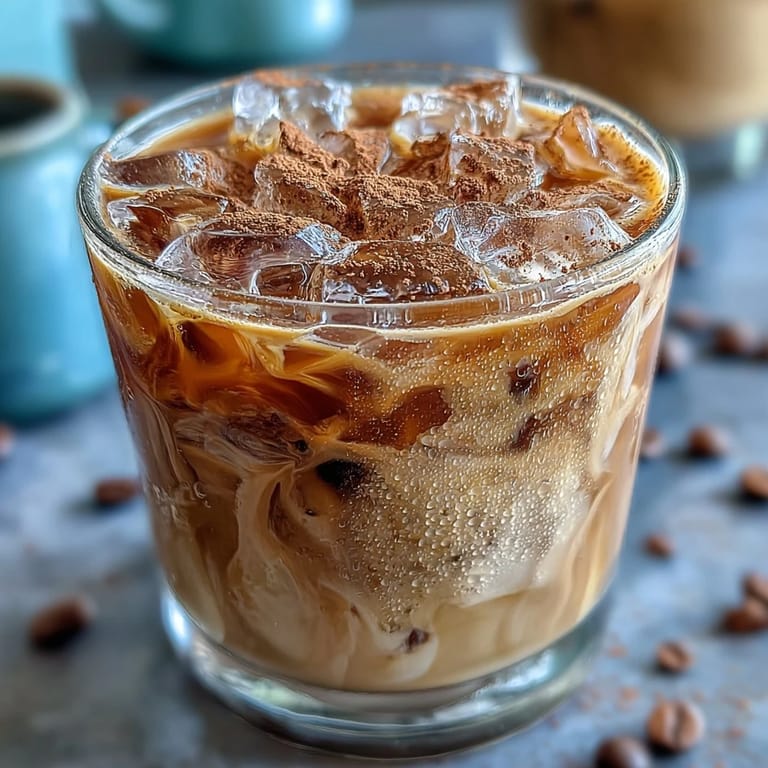
- Pour in your milk slowly so you can see the color shift from amber to a soft tan, then stir in honey or syrup to taste. This is where you make it your own.
- Finish with cinnamon:
- Sprinkle cinnamon on top and stir gently one more time, letting the spice distribute throughout. A tiny extra pinch on the surface looks lovely and reminds you what you're drinking.
 Save
Save My mother tasted this once and said it reminded her of a tea shop in Kyoto she visited decades ago, though I'd just invented it an hour before. That's the magic of good flavors—they feel familiar even when they're new.
The Cinnamon Question
I used to think cinnamon and tea were strange together, but they're actually old friends. The warmth of the spice balances the earthiness of the hojicha and creates this unexpected comfort, especially on days when the weather can't decide what season it is. Some people add it to their milk before pouring, and some sprinkle it last—both work, though sprinkling last gives you more visible cinnamon in the glass.
Playing with Milk Choices
Oat milk has become my default because it froths slightly on its own and adds a subtle grain flavor that complements hojicha beautifully. Almond milk keeps things lighter and more delicate, almost invisible in flavor, which lets the tea and cinnamon take center stage. Dairy milk is the classic choice, rich and creamy, turning your drink into something that feels almost like a dessert. Each one shifts the drink's personality, so pick based on whatever you're craving that day.
Timing and Temperature
The window between steeping and drinking is short—usually 15 to 20 minutes before the cinnamon settles to the bottom and you lose that first beautiful impression. Making this when you're about to sit down means you catch it at its peak, when the cinnamon is still visible and the ice hasn't fully melted yet. If you need to make it ahead, hold off on the cinnamon until just before serving, and stir it in fresh.
- Use boiling water, not hot water—hojicha needs real heat to release its toasted character.
- If you have a milk frother, froth your milk separately and float it on top for a café-style presentation.
- Make a batch of cinnamon-dusted ice cubes ahead by freezing water with cinnamon stirred in, and use those for extra flavor throughout.
 Save
Save This drink works best as a moment, not a hurry—something to make when you have five minutes to slow down. Serve it with something soft like mochi or a plain shortbread cookie, and it becomes more than a beverage.
Recipe FAQ
- → What does hojicha taste like?
Hojicha has a distinct earthy, nutty flavor with roasted notes that set it apart from other Japanese green teas. The roasting process reduces bitterness and creates a smooth, mellow taste that pairs beautifully with milk and cinnamon.
- → Can I make this ahead of time?
Yes! Brew the hojicha base in advance and store it in the refrigerator for up to 2 days. When ready to serve, simply pour over ice and add milk and cinnamon. This makes it perfect for meal prep or entertaining.
- → What milk works best?
Oat milk creates the creamiest texture and naturally complements the roasted notes, but dairy milk, almond milk, and soy milk all work wonderfully. Choose based on your dietary preferences and desired richness.
- → Is hojicha caffeinated?
Yes, hojicha contains caffeine but significantly less than regular green tea due to the roasting process. One serving typically contains about 20-30mg of caffeine, making it a gentle option for afternoon enjoyment.
- → Can I serve this hot?
Absolutely! Skip the chilling step and pour the freshly brewed hojicha into a mug. Add steamed milk for a cozy latte-style drink, perfect for cooler weather. The cinnamon works equally well in hot versions.