 Save
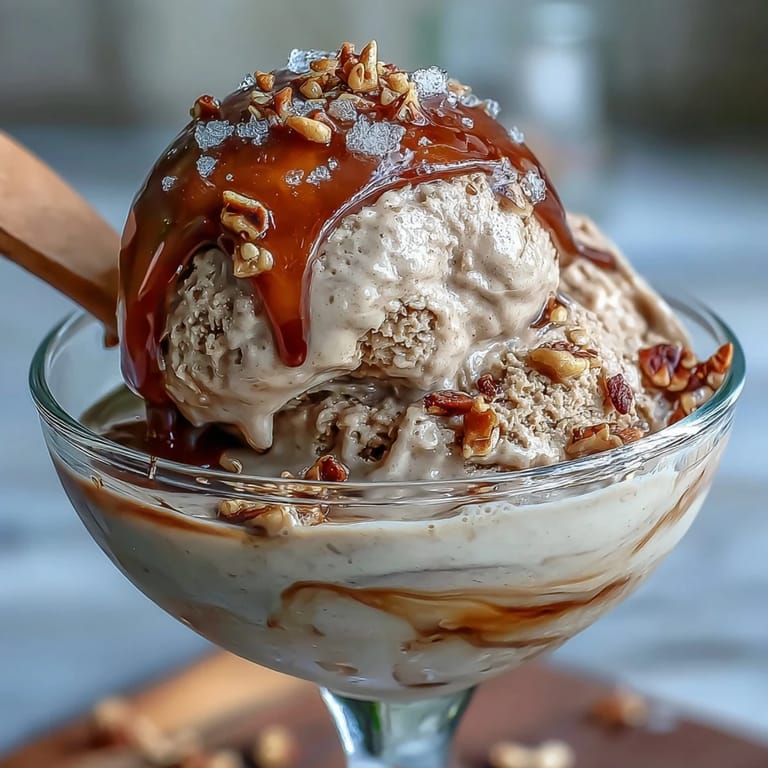
Save Last summer, I watched my Japanese neighbor casually pour steaming tea over ice cream and somehow make it look like pure elegance. She called it hojicha affogato and handed me a spoon without explanation. That first sip—the warmth meeting cold, the nutty roasted tea mixing with vanilla sweetness—felt like discovering something I'd been missing. It's become my favorite way to end an afternoon, especially when the kitchen needs something quick but feels like a small celebration.
I made these for friends on a quiet Thursday evening when everyone needed a break from overthinking dinner. One person said it was the most elegant thing I'd ever served them, and I laughed because I'd literally just boiled water. But that's the beauty of it—sometimes the simplest moves hit hardest, and watching their faces light up as the steam rose made me understand why my neighbor had that knowing smile.
Ingredients
- Vanilla ice cream: Use the best quality you can find because there's nowhere to hide here; premium or French vanilla will make a noticeable difference in every spoonful.
- Hojicha loose leaf tea: This roasted green tea has a deeper, more complex flavor than regular green tea, with toasty notes that feel almost like a warm hug in a cup.
- Water: Filtered tastes cleaner and lets the tea's roasted character shine without competing minerals.
- Toasted sesame seeds: These add a subtle nutty crunch and look beautiful scattered on top; toast them yourself if you have time.
- Crushed roasted nuts: Almonds or pecans bring textural contrast and a slight bitterness that plays well with the sweetness.
- Sweetened red bean paste: A traditional Japanese addition that brings earthy umami depth if you want to push the flavor further.
Tired of Takeout? 🥡
Get 10 meals you can make faster than delivery arrives. Seriously.
One email. No spam. Unsubscribe anytime.
Instructions
- Heat your water and let it breathe:
- Bring water to a rolling boil, then let it cool for exactly one minute—this matters because water that's too hot will turn the tea bitter and you'll taste harsh notes instead of that beautiful toasted flavor. You want it hot enough to properly extract, gentle enough to respect the tea.
- Steep the hojicha:
- Pour the water over your tea leaves or bags in a teapot and let it sit for two to three minutes. You'll notice the water turning a warm amber color and the whole setup smelling like a cozy autumn afternoon.
- Scoop your ice cream:
- While the tea steeps, place one large generous scoop of vanilla ice cream into each serving glass or bowl. Use an ice cream scoop that feels good in your hand—this matters for the ritual of it.
- Strain if needed and pour with intention:
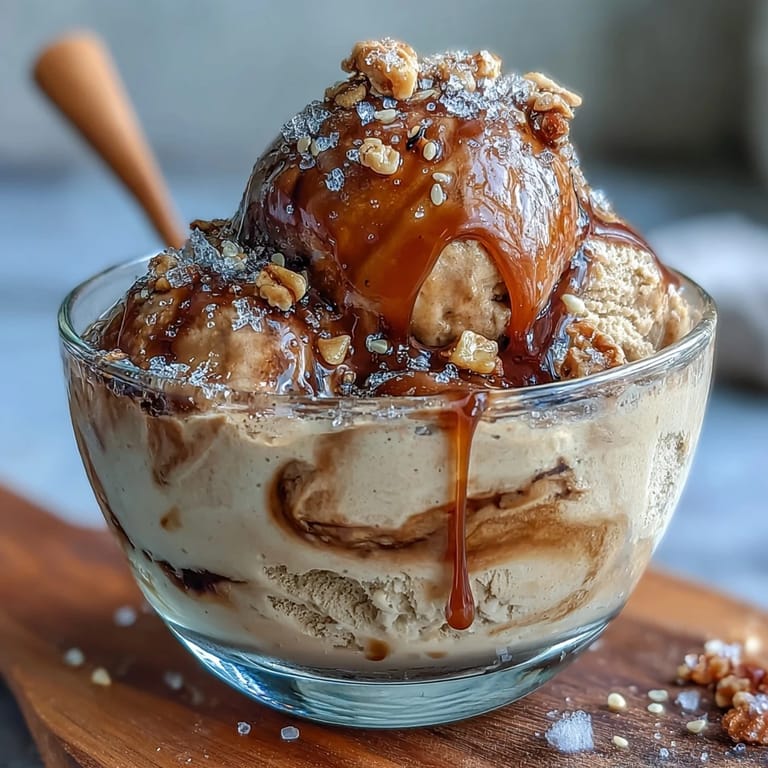
- If you used loose leaf tea, strain it through a fine mesh. Then slowly pour the hot tea directly over the ice cream, watching it melt and create this beautiful swirl effect.
- Finish with toppings and serve immediately:
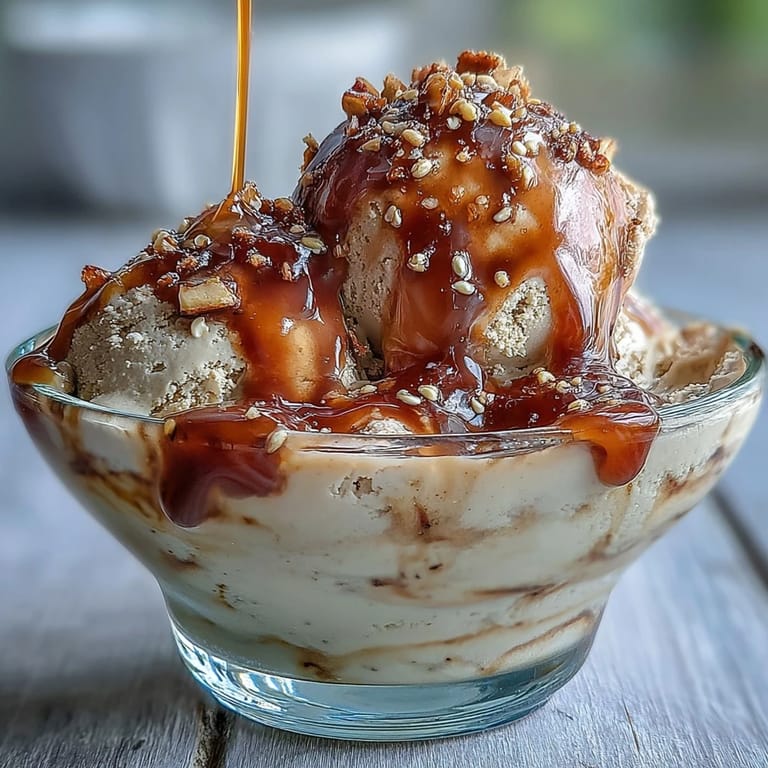
- Scatter sesame seeds, crushed nuts, or a small dollop of red bean paste on top if you're feeling it. The magic happens in the first few minutes while the contrast is still alive, so grab a spoon and dig in.
 Save
Save My neighbor came over one afternoon and found me making these for myself on a random Tuesday. She smiled and said it meant I understood something important about Japanese cooking—that sometimes the best dishes are the ones that feel both ceremonial and effortless at the same time. Now whenever I make them, I feel like I'm carrying that moment forward.
The Science of the Swirl
There's something almost hypnotic about watching hot liquid meet cold ice cream, and it's worth paying attention to. The heat melts the surface of the ice cream while the cold interior stays firm, creating this texture where creamy and scoopable meet in the middle. That's when the flavors blend most beautifully too—when the vanilla is soft enough to release its full sweetness but still cold enough to contrast with the warmth of the tea.
Making It Your Own
The basic recipe is honestly just a starting point. I've added honey, drizzled in a tiny bit of vanilla extract, experimented with salted caramel ice cream instead of vanilla. One friend swears by a whisper of cardamom sprinkled on top, which sounds like it shouldn't work but absolutely does. The beauty is that hojicha pairs with almost anything you want to add, so this is a dessert that grows with you.
Small Moments That Matter
This drink has become my version of a tea ceremony—something I make when I need to slow down or when I want to give someone the gift of a five-minute pause. There's something about the ritual of brewing the tea, choosing your glass, and then that decisive pour that feels intentional in a world that rarely rewards intentionality. It's taught me that luxury doesn't always require time or complexity.
- Keep your ice cream in the coldest part of your freezer so it stays perfectly firm until the moment tea hits it.
- Brew your hojicha ahead of time if you're making these for guests; you can reheat it gently right before serving.
- If you can't find hojicha, strongly brewed Japanese green tea works in a pinch, though you'll lose some of that roasted depth.
 Save
Save Make this when you want to feel like you're doing something special without the stress of actually doing something difficult. It's become the dessert I reach for when I need to remember that sometimes the best things in life really do come together in under five minutes.
Recipe FAQ
- → What makes hojicha different from regular green tea?
Hojicha is roasted green tea leaves, giving it a deep reddish-brown color and nutty, caramel-like flavor profile. Unlike regular green tea, it has lower caffeine and a more robust taste that pairs beautifully with creamy desserts.
- → Can I use other ice cream flavors?
Absolutely! While vanilla creates the classic pairing, you can experiment with coconut, sesame, or even green tea ice cream for different flavor profiles. The nutty notes of hojicha complement various cream-based flavors.
- → Should the tea be boiling hot?
Let boiling water cool for about 1 minute before brewing. This ensures optimal flavor extraction from the hojicha leaves while creating the perfect temperature contrast when poured over the cold ice cream.
- → How do I make this vegan?
Simply substitute dairy vanilla ice cream with your favorite plant-based alternative. Coconut or almond milk-based ice creams work wonderfully and complement the roasted notes of hojicha.
- → What can I serve with hojicha affogato?
Pair with almond biscotti, Japanese cookies, or delicate wafer cookies for added crunch. The dessert also stands alone beautifully as a light, elegant finish to any meal.