 Save
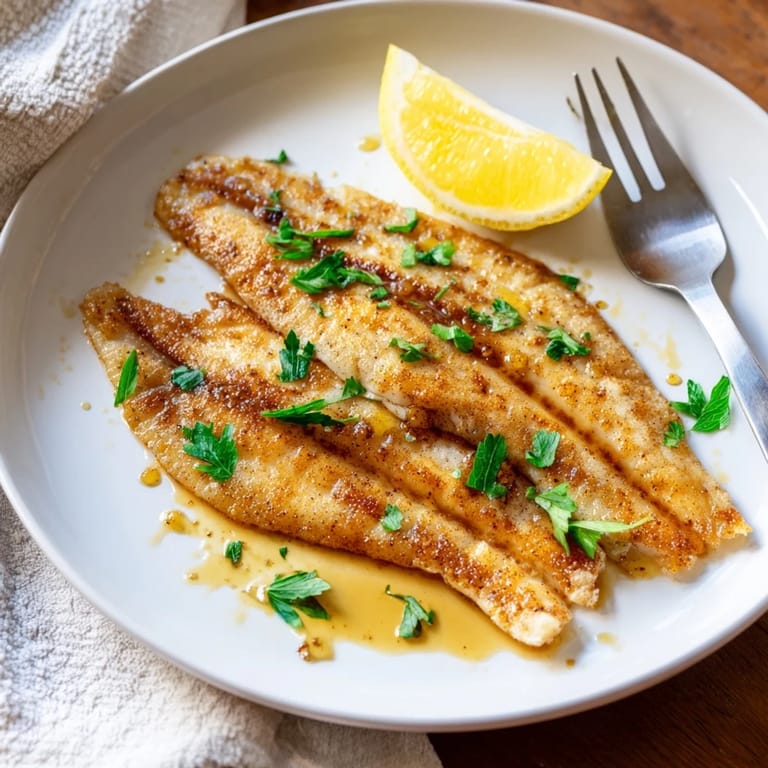
Save Flounder Meunière is a quintessential French classic that transforms simple ingredients into an elegant masterpiece. Delicate flounder fillets are lightly dusted with flour and pan-fried until they achieve a beautiful golden crust, then bathed in a luxurious lemon-browned butter sauce. This dish is the perfect balance of brightness and richness, making it an ideal choice for a sophisticated weeknight meal or a special dinner party.
Save The name "Meunière" translates to "miller's wife style," referring to the simple technique of dredging the fish in flour before cooking. This method creates a thin, crisp coating that perfectly complements the flaky white fish and helps the bright lemon-butter sauce cling to every bite.
Ingredients
Tired of Takeout? 🥡
Get 10 meals you can make faster than delivery arrives. Seriously.
One email. No spam. Unsubscribe anytime.
- Fish: 4 flounder fillets (about 150 g each, skin removed), 1/2 teaspoon kosher salt, 1/4 teaspoon freshly ground black pepper.
- Dredging: 1/2 cup all-purpose flour.
- Cooking: 3 tablespoons unsalted butter (divided), 2 tablespoons olive oil.
- Sauce: 4 tablespoons unsalted butter, juice of 1 lemon (about 2 tablespoons), 2 tablespoons chopped flat-leaf parsley, and lemon wedges for serving.
Instructions
- Step 1
- Pat the flounder fillets dry with paper towels. Season both sides with salt and pepper.
- Step 2
- Place flour on a plate. Dredge each fillet lightly in flour, shaking off excess.
- Step 3
- Heat 2 tablespoons butter and olive oil in a large nonstick skillet over medium-high heat.
- Step 4
- When the butter is foamy, add the fillets (in batches if necessary). Cook 2–3 minutes per side, until golden and just cooked through. Transfer to a warm platter.
- Step 5
- Wipe out the skillet. Add the remaining 4 tablespoons butter. Cook over medium heat until it turns golden brown and smells nutty, 2–3 minutes.
- Step 6
- Remove from heat. Stir in lemon juice and parsley. Immediately spoon the browned butter sauce over the fish.
- Step 7
- Serve at once with lemon wedges.
Zusatztipps für die Zubereitung
For the best results, use a large nonstick skillet and a wide spatula to handle the fish carefully. Ensure the fillets are thoroughly dried with paper towels before seasoning; this ensures the flour adheres properly and creates a crisp crust rather than a soggy one.
Varianten und Anpassungen
If flounder is unavailable, Dover sole or tilapia are excellent substitutes. To make the dish gluten-free, simply substitute the all-purpose flour with rice flour. For a more complex flavor profile, you can add a splash of white wine to the skillet just before the butter begins to brown.
Serviervorschläge
This delicate French dish pairs beautifully with simple sides that won't overshadow the fish, such as steamed green beans or roasted baby potatoes. The potatoes are particularly good for soaking up any extra lemon-browned butter sauce left on the plate.
 Save
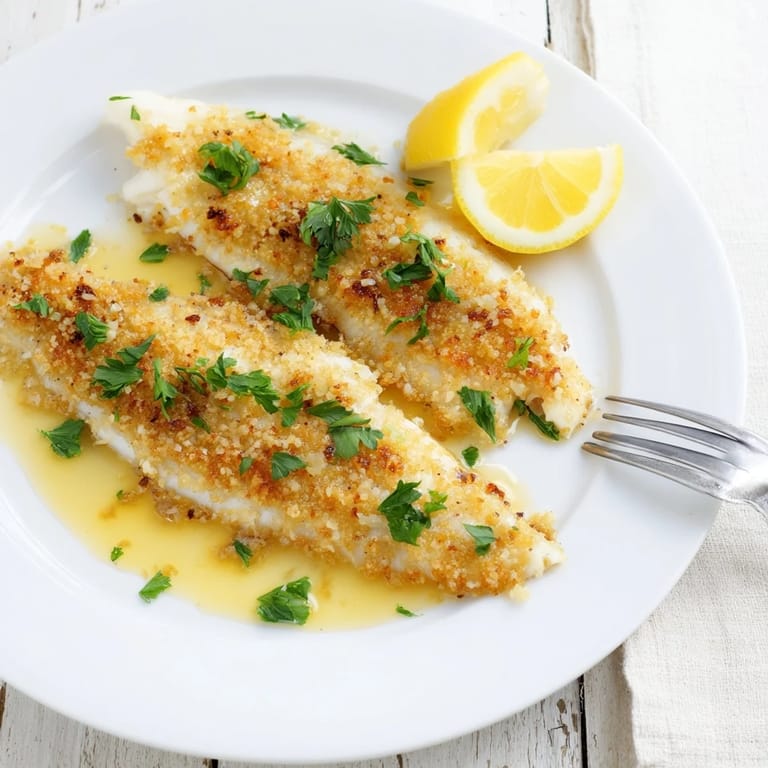
Save With its vibrant citrus notes and rich, aromatic butter, Flounder Meunière is a testament to the power of simple, high-quality ingredients. Serve it immediately while the sauce is still warm and the fish is perfectly tender for a truly authentic dining experience.
Recipe FAQ
- → What makes meunière different from other pan-fried fish preparations?
Meunière specifically refers to fish dredged in flour and cooked in butter, then finished with a brown butter lemon sauce. The flour creates a light crust while the browned butter provides a rich, nutty flavor profile that defines this classic French technique.
- → Can I substitute other types of fish for flounder?
Yes, Dover sole, tilapia, or any mild white fish with delicate flakes works beautifully. The key is selecting fillets of similar thickness to ensure even cooking without overcooking the delicate flesh.
- → How do I know when the butter has properly browned?
Watch for the butter to foam, then turn golden-amber with a nutty aroma. This takes 2-3 minutes over medium heat. Remove from heat immediately once browned, as it can burn quickly. Tiny brown specks will appear in the golden liquid.
- → Why is it important to wipe out the skillet between steps?
The initial cooking releases flour particles and milk solids that can burn during the sauce preparation. Starting with a clean skillet ensures your brown butter stays fresh and nutty without any bitter burnt flavors from the first cooking phase.
- → What sides complement this dish best?
Steamed green beans, roasted potatoes, or a simple arugula salad with vinaigrette provide nice contrasts. The bright acidity in the sauce pairs beautifully with mild vegetables, while potatoes help soak up the extra brown butter sauce.
- → Can I make this gluten-free?
Simply substitute rice flour or a gluten-free all-purpose blend for the wheat flour. The coating and browning characteristics remain similar, ensuring everyone can enjoy this classic preparation regardless of dietary restrictions.