 Save
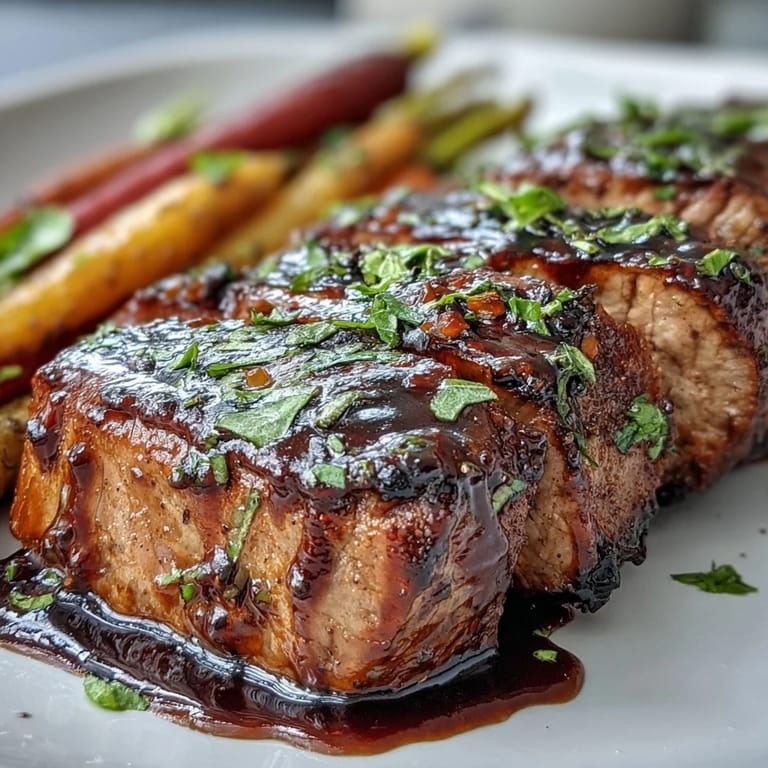
Save There's something about the sizzle of a pork tenderloin hitting a hot pan that makes you feel like you've got this cooking thing figured out, even if you're still learning. I stumbled onto this one-pan wonder on a weeknight when I had exactly thirty minutes and absolutely zero patience for complicated recipes. The honey-balsamic glaze came together while the oven preheated, and those rainbow carrots turned into these glossy, caramelized jewels that somehow made dinner feel fancy without the fuss. My partner walked in halfway through and just stood there breathing in that sweet, tangy aroma—no words needed.
I made this for friends who had just moved in around the corner, and I wanted something impressive but not stressful. When I pulled that baking sheet out of the oven, the kitchen smelled like a restaurant was happening right there in my home. The carrots had these gorgeous caramelized edges, and the pork was so tender it practically fell apart when I sliced it. Everyone asked for the recipe before dessert, which honestly felt better than any compliment about the weather.
Ingredients
- Pork tenderloin: Look for a piece that's relatively uniform in thickness so it cooks evenly—I've learned the hard way that uneven cuts lead to dry edges and undercooked centers.
- Honey: Use the real stuff, not the squeeze bottle imitation; it caramelizes differently and tastes notably richer.
- Balsamic vinegar: The aged versions are worth seeking out if you can find them, as they bring a deeper sweetness and less harsh acidity.
- Dijon mustard: This adds an subtle sharpness that keeps the glaze from becoming one-note sweet.
- Rainbow carrots: They're not just pretty; different colors often have slightly different flavors and textures, creating interesting variation in every bite.
- Fresh thyme: If you have it, use it instead of dried—the fragrance it releases while roasting is absolutely worth the extra second it takes to pick the leaves.
- Olive oil: Use something you wouldn't mind tasting directly, since the vegetables will soak it up and it becomes part of the final dish.
Tired of Takeout? 🥡
Get 10 meals you can make faster than delivery arrives. Seriously.
One email. No spam. Unsubscribe anytime.
Instructions
- Prep your canvas:
- Preheat your oven to 425°F and line a large baking sheet with parchment or foil. This isn't just about cleanup (though that's nice); the parchment helps the carrots caramelize more evenly and keeps your pan in better shape for next time.
- Season and arrange the carrots:
- Toss your halved rainbow carrots with olive oil, salt, and pepper, then nestle them around the edges of your baking sheet, leaving the center clear for the pork. This positioning is key—the carrots get a little more direct heat and the pork has its own space to develop a nice exterior.
- Ready the pork:
- Pat your tenderloin completely dry with paper towels, then rub it with olive oil and season generously with salt and pepper on all sides. Drying it first means it'll brown better instead of steaming in its own moisture.
- Make the glaze:
- Whisk honey, balsamic vinegar, Dijon mustard, minced garlic, and thyme together in a small bowl until you have a glossy, cohesive sauce. The mustard helps emulsify everything so it sticks to the meat rather than sliding right off.
- First roast:
- Place the pork in the center of the sheet and brush it with half the glaze, then slide everything into the oven for 15 minutes. You'll start to smell that beautiful honey-and-balsamic perfume about halfway through.
- Glaze and finish:
- Pull the pan out carefully, brush the remaining glaze over the pork, and return it to roast for another 10 to 15 minutes until the internal temperature hits 145°F. The carrots should be starting to caramelize at the edges and the glaze should look deep and sticky.
- Rest and serve:
- Transfer the pork to a cutting board and let it rest for 5 minutes—this isn't optional, as it keeps the inside juicy. Slice and arrange with the roasted carrots, spooning any pan juices over everything.
 Save
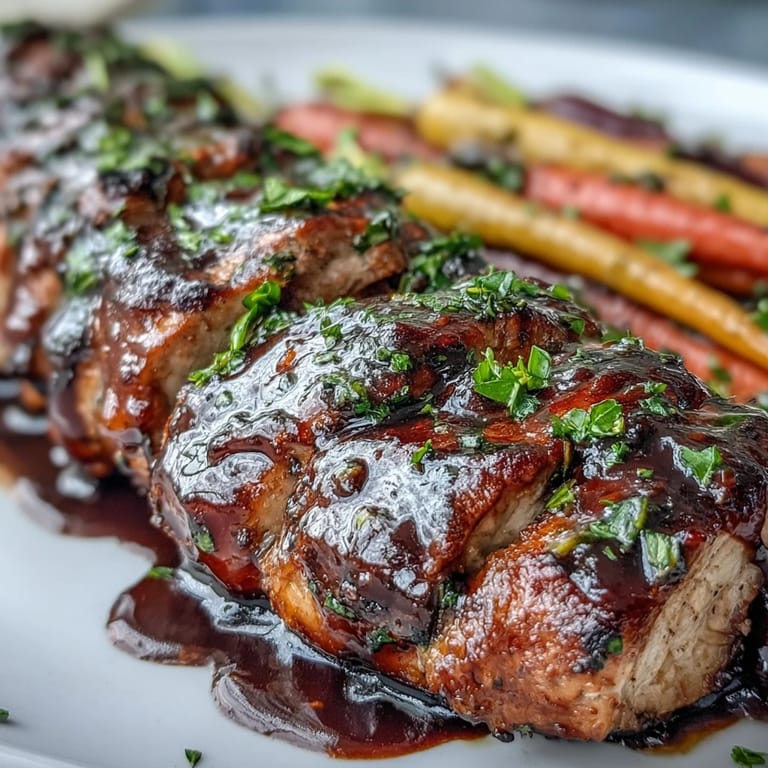
Save This dish became a go-to because it proved to me that restaurant-quality food doesn't require hours or a dozen different pans. There's something deeply satisfying about pulling one sheet out of the oven and having a complete, beautiful meal ready to share.
The Sweet and Tangy Balance
The genius of this glaze is how the honey and balsamic vinegar work together instead of competing. I once tried making it without the mustard and the flavors felt flat, like they were playing next to each other rather than creating something new. That small spoonful of Dijon changed everything, adding a subtle sharpness that made each component shine brighter. Think of it like seasoning salt; you might not taste the individual element, but you absolutely feel its absence.
Rainbow Carrots and Why They Matter
The first time I used rainbow carrots instead of regular orange ones, I wasn't expecting them to taste different—I thought it was mostly a visual thing. But they do have subtle variations; the purple ones are slightly earthier, the yellows a touch brighter and sweeter. When they roast together, you get this interesting depth of flavor that a single carrot color wouldn't provide. It's the kind of detail that guests might not articulate, but they'll definitely notice and appreciate.
Timing and Temperature Mastery
The 15-minute initial roast followed by the glaze brush and final 10 to 15 minutes works because it gives the pork time to cook through while the glaze has a shorter window to potentially burn. I learned this the hard way when I brushed the glaze on at the very beginning and watched it blacken rather than caramelize. Now I time it so the glaze gets those final precious minutes in the heat, just enough to turn sticky and glossy without crossing into bitter territory.
- Use an instant-read thermometer inserted into the thickest part of the pork for the most accurate reading.
- If your carrots are looking done early, pull them to the side of the pan or cover them loosely with foil to prevent over-roasting.
- Every oven runs a bit hot or cool, so check the pork at 20 minutes rather than waiting the full time.
 Save
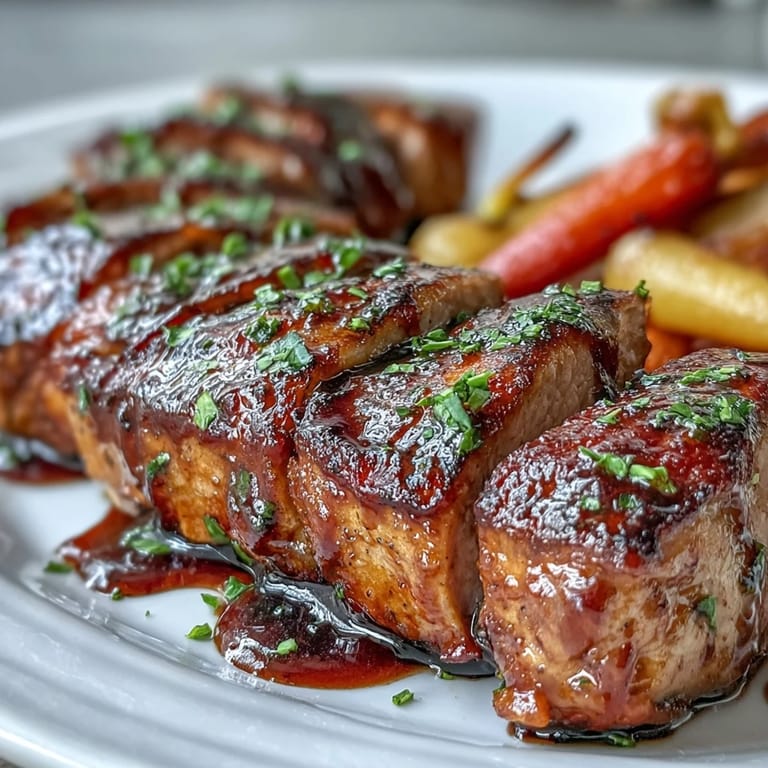
Save This recipe sits in my regular rotation now because it proves every single time that simple doesn't mean boring. It's the kind of meal that tastes like you've been cooking all day, even though you've barely turned your back on the kitchen.
Recipe FAQ
- → What internal temperature should pork tenderloin reach?
Pork tenderloin should reach an internal temperature of 145°F (63°C) for safe consumption while maintaining optimal tenderness and juiciness.
- → Can I use regular carrots instead of rainbow carrots?
Absolutely. Regular carrots work perfectly fine and will taste just as delicious. The rainbow variety simply adds visual appeal to your finished dish.
- → How long should the pork rest before slicing?
Let the pork tenderloin rest for 5 minutes after removing it from the oven. This allows the juices to redistribute throughout the meat, ensuring each slice remains moist and flavorful.
- → What wine pairs well with this dish?
A light red wine such as Pinot Noir complements the sweet and tangy flavors beautifully. The wine's acidity balances the honey glaze while enhancing the pork's natural richness.
- → Can I prepare the glaze in advance?
Yes, you can whisk the glaze ingredients together up to a day ahead and store them in an airtight container in the refrigerator. Bring to room temperature before using.