 Save
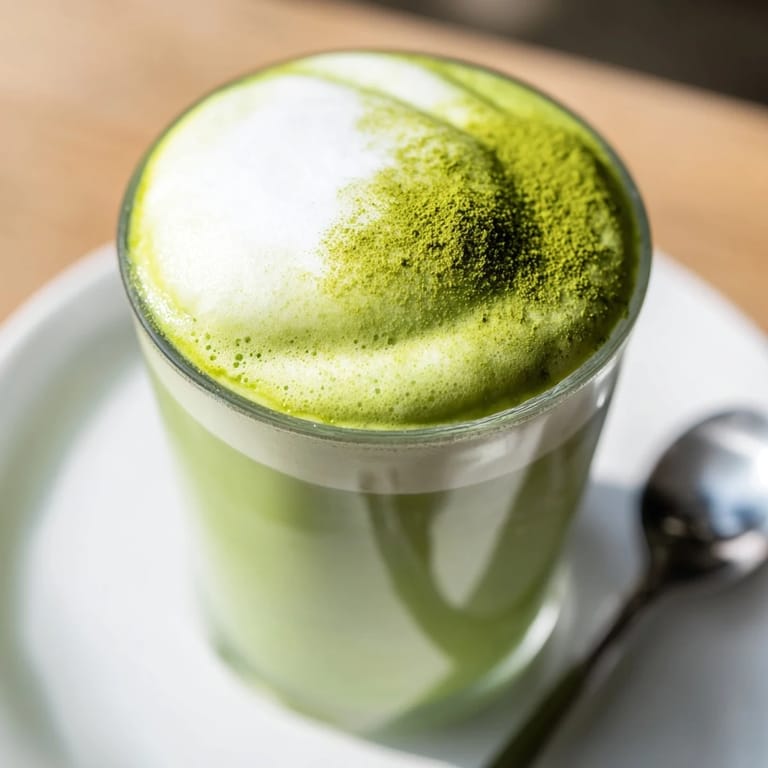
Save I discovered matcha lattes by accident during a quiet morning in a small Tokyo café, where the barista's hands moved with such deliberate grace that I couldn't look away. The drink arrived impossibly green, topped with foam so delicate it seemed to hover above the cup. That first sip—earthy, creamy, alive—made me realize I'd been drinking coffee all wrong. Now whenever I make this at home, that same magic happens in my own kitchen.
I made this for my neighbor on a Sunday morning when she came over feeling completely exhausted from a new job. Watching her face change as she took that first sip—from tired to actually present—reminded me that sometimes the smallest gestures hold the most weight. She asked for the recipe that same day.
Ingredients
- High-quality matcha powder: This is where everything lives or dies; cheap matcha tastes like grass clippings, while good matcha has a subtle sweetness and that signature umami depth that makes people pause mid-sip.
- Hot water (around 80°C/175°F): Boiling water burns matcha and makes it bitter, so if you don't have a thermometer, just let your kettle sit for a minute after boiling.
- Milk of choice: Whole milk creates the richest foam, but oat milk froths beautifully and has a naturally sweet taste that complements matcha.
- Cold milk for foam: Use the same milk you chose for the base so the flavors stay cohesive and the texture layers properly.
- Granulated sugar or simple syrup: Sugar dissolves better in cold liquid when it's already dissolved as syrup, though granulated works fine if you're patient with the whisking.
- Ice cubes (optional): Only add if you want an iced version; the cold foam becomes more critical when everything else is cold.
Tired of Takeout? 🥡
Get 10 meals you can make faster than delivery arrives. Seriously.
One email. No spam. Unsubscribe anytime.
Instructions
- Sift your matcha:
- Pour the matcha powder into a small bowl and push it through a fine sieve with the back of a spoon. This removes every lump so your final drink is silky instead of gritty, which makes a real difference in how it feels on your tongue.
- Whisk with intention:
- Add the hot water and whisk vigorously using a bamboo whisk or milk frother until the matcha dissolves completely and a thin layer of foam appears on top. You'll feel the matcha transform from paste to liquid if you keep going.
- Warm your milk gently:
- Heat your milk until it's steaming but not boiling; you can do this in a small saucepan or microwave for about a minute. Pour it slowly into your matcha mixture and stir until everything is one beautiful green color.
- Create the foam:
- Pour cold milk and sugar into a frothing pitcher or clean jar, then use a milk frother or your own arm muscles to shake it vigorously until the volume roughly doubles and you see stiff foam forming. This is the magic moment that makes everything worth it.
- Build your drink:
- Pour the matcha latte into a glass over ice if you want it cold, then use a spoon to scoop the foam generously onto the top so each sip gives you that textural contrast.
- Serve right now:
- The foam won't stay perfect forever, so drink it while the temperature is still right and the foam still sits on top like a cloud.
 Save
Save I remember my friend asking why I made the same drink every morning, and I realized it wasn't really about the matcha at all. It was about those ten minutes before the day starts, when the kitchen is quiet and something warm exists just for me. That ritual turned a beverage into something I actually looked forward to.
The Foam That Changes Everything
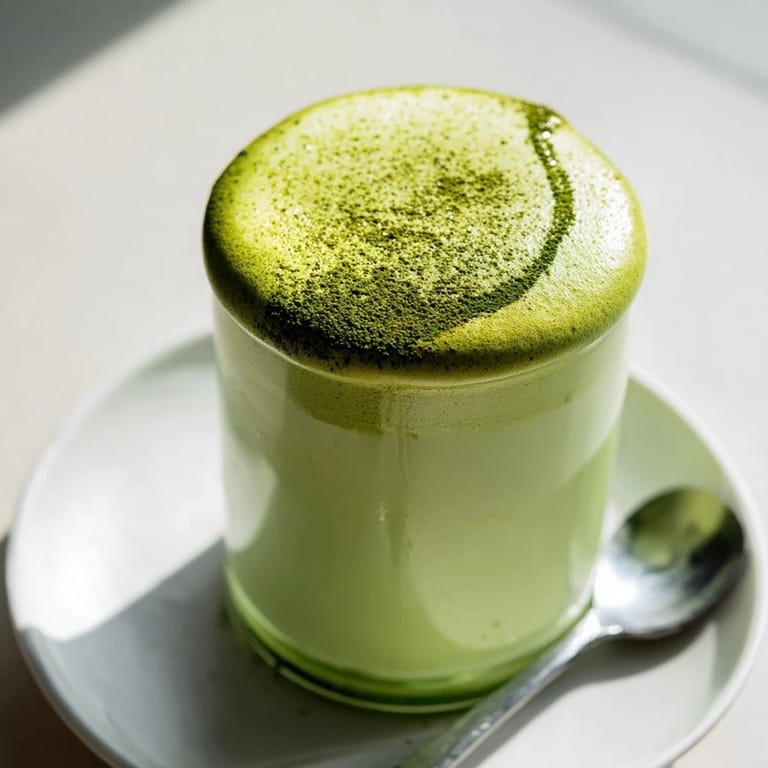
The cold foam is not optional and it's not just decoration. It creates a temperature contrast against the warm latte that makes each sip interesting, plus it adds a textural element that separates this from just drinking warm matcha. The first time I skipped it because I was in a hurry, I realized how much of the experience lived in that foam layer.
Choosing Your Milk Matters
Whole dairy milk creates the silkiest, most luxurious foam, but oat milk froths with almost supernatural ease and adds a subtle sweetness that plays nicely with matcha's earthiness. Almond milk can feel thin, and skim milk struggles to foam properly, so choose based on what texture and flavor you actually want. Once you pick your milk, stick with it for both the base and the foam so nothing tastes disjointed.
Making This Drink Your Own
The beauty of making matcha at home is that you control every element, which means you can experiment until you find your exact preference. Some mornings I want it sweeter, some days I want extra matcha intensity, and some weeks I'm obsessed with adding a tiny pinch of sea salt that makes everything more complex. There's no wrong way once you understand the foundations.
- Try a dusting of cinnamon or cocoa powder on top for a flavor that surprises you.
- Make a batch of simple syrup once a week so you always have something that dissolves instantly into the cold foam.
- Keep your matcha in the fridge in an airtight container so it stays vibrant green and doesn't oxidize into something dull.
 Save
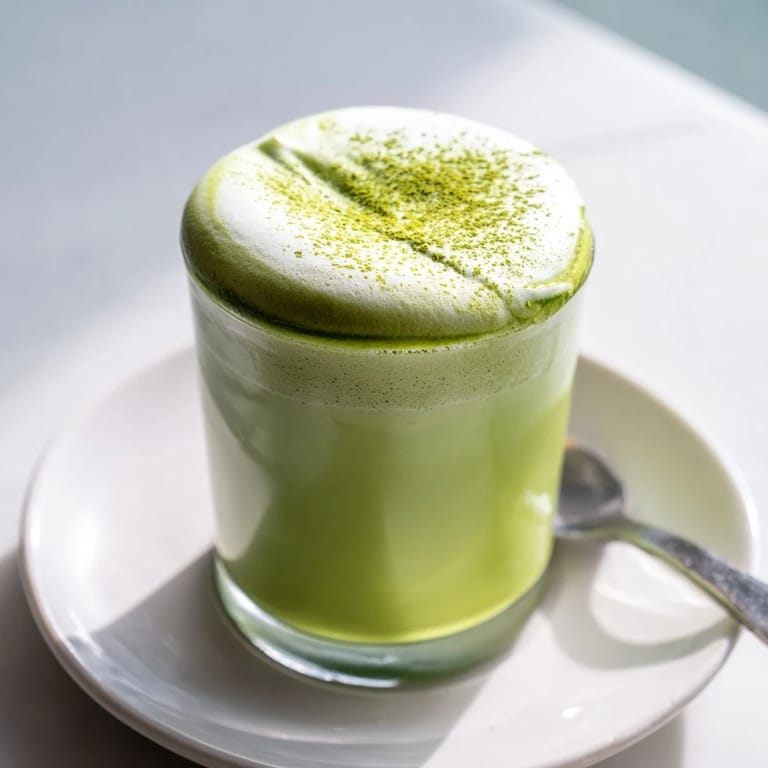
Save This drink taught me that sometimes the best things in life are the ones that ask you to slow down and pay attention. A creamy matcha latte is just flavored milk, but it's also permission to exist in your own morning.
Recipe FAQ
- → What type of milk works best for the foam?
Whole milk or barista-style plant milk froths well, creating a creamy and stable foam that's slightly sweetened for balance.
- → How can I prevent lumps in the matcha base?
Sifting the matcha powder before whisking and using a vigorous motion with a bamboo whisk or frother helps achieve a smooth, lump-free mixture.
- → Can I prepare this drink vegan-friendly?
Yes, using oat, soy, or almond milk instead of dairy works well for both the matcha base and the cold foam, maintaining creaminess.
- → Is it necessary to heat the milk?
Warming the milk gently enhances the blend’s creaminess without boiling, which helps retain smoothness in the latte.
- → Can I add ice to this drink?
Adding ice cubes is optional and provides a cooler, refreshing experience especially when paired with the chilled foam.