 Save
Save My first encounter with Vietnamese caramel chicken happened on a humid afternoon in Ho Chi Minh City, watching a street vendor work magic with nothing but a wok, brown sugar, and fish sauce. The way that sugar transformed into liquid amber, then suddenly embraced the chicken—it seemed impossible that something so simple could taste so devastatingly good. Years later, I finally stopped being intimidated by the caramel stage and realized the dish isn't complicated at all; it just demands your attention for those crucial five minutes. Now it's become my go-to when I want to impress without spending hours in the kitchen.
I made this for a dinner party once and spent the first twenty minutes panicking because the caramel looked too dark, then suddenly the chicken hit the pan and everything came together in that gorgeous sizzle that made everyone in the kitchen pause and turn. That moment—when people smell caramel and fish sauce mingling—is when you know you're about to serve them something memorable.
Ingredients
- Chicken thighs: Buy boneless and skinless to save time, and cut them into roughly bite-sized pieces so they cook evenly and glaze beautifully without drying out.
- Fish sauce: This is your secret weapon—don't skip it or substitute it, because it's what transforms sweet caramel into something complex and crave-worthy.
- Light soy sauce: Adds saltiness and depth that balances the sugar without overwhelming the other flavors.
- Brown sugar: The marinade needs this gentle sweetness, though you can use white sugar if that's what you have.
- Lime juice: Fresh lime is essential; bottled juice won't give you the same brightness and zip.
- Garlic and black pepper: Mince the garlic finely so it distributes evenly through the marinade and carries flavor throughout the dish.
- Granulated sugar for caramel: Use pure white granulated sugar here, not brown sugar—it caramelizes to that true amber color you're after.
- Spring onions and fresh coriander: These aren't just garnish; they cut through the richness and make every bite feel fresh and alive.
Tired of Takeout? 🥡
Get 10 meals you can make faster than delivery arrives. Seriously.
One email. No spam. Unsubscribe anytime.
Instructions
- Marinate the chicken:
- Combine your chicken pieces with fish sauce, soy sauce, lime juice, minced garlic, and black pepper in a bowl and let it sit for at least fifteen minutes. This isn't just about flavor—the fish sauce and soy sauce are already beginning to cook the proteins gently, making the chicken more tender.
- Make the caramel:
- Pour sugar and water into your skillet or wok over medium heat and watch without stirring—this is the hard part, but resist the urge to touch it. After four to five minutes, the sugar will transform from clear to pale gold to deep amber, and that's when you stop and add your chicken immediately.
- Add the chicken:
- The moment your caramel reaches that amber stage, add the marinated chicken and all the liquid from the bowl in one confident motion. Toss it around quickly so every piece gets coated in that sticky caramel—the sizzle and steam will fill your kitchen with an incredible aroma.
- Cook until glossy:
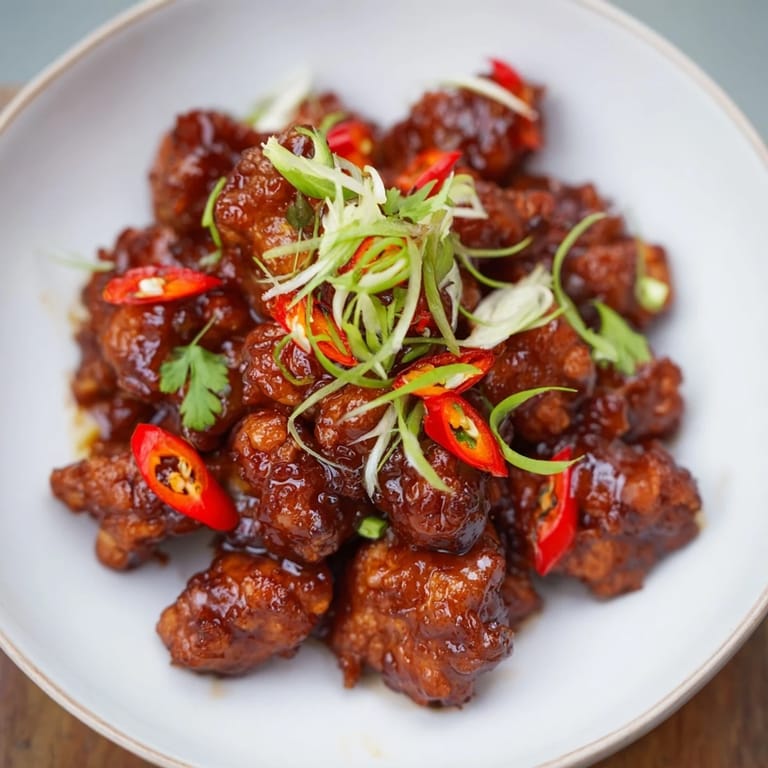
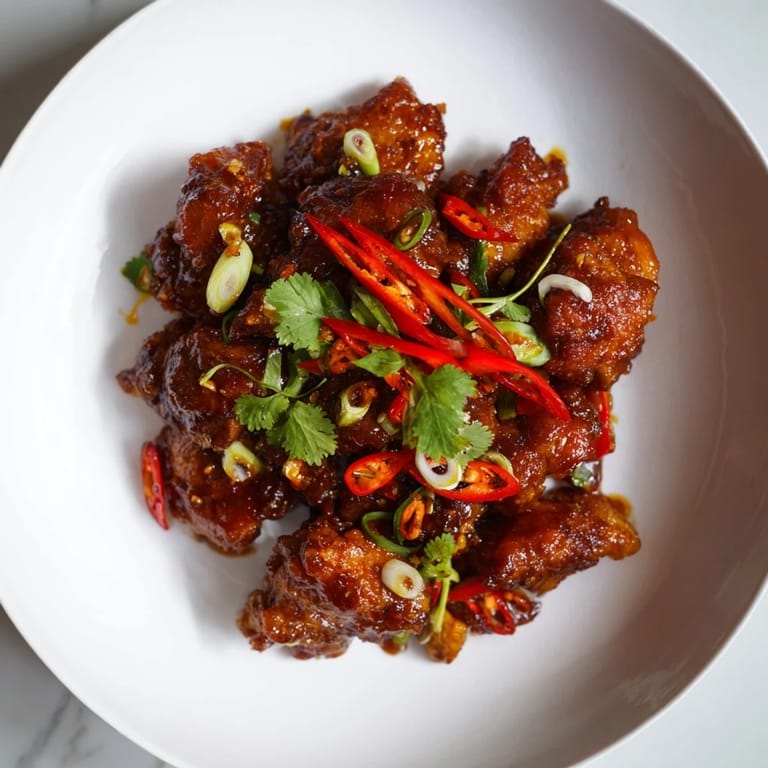
- Increase heat to medium-high and cook for eight to ten minutes, stirring occasionally, until the chicken is cooked through and the sauce has thickened into a glossy glaze that clings to each piece. You'll know it's done when you tilt the pan and the sauce slowly coats the bottom without running.
- Taste and adjust:
- Before plating, steal a piece and taste it—you might want a touch more fish sauce for umami or a squeeze more lime for brightness. This is your moment to make it exactly how you like it.
- Finish and serve:
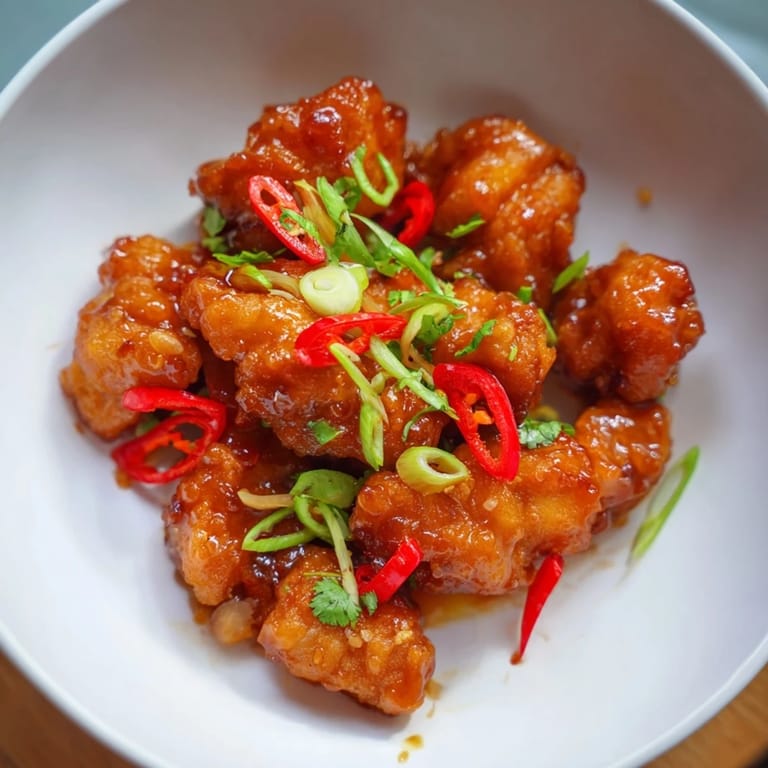
- Transfer everything to a serving plate and scatter generously with sliced spring onions, red chili if you like heat, and fresh coriander leaves. Serve it hot over steamed jasmine rice so the glossy sauce soaks into every grain.
 Save
Save There's a moment when you're cooking this dish—right when the caramel turns that perfect deep amber and you're about to add the chicken—where you realize you're about to create something special. That's the moment I fell in love with this recipe.
The Caramel Stage Matters Most
I've learned that the caramel is where this dish either sings or falls flat, and it took me a few tries to understand that deep amber isn't too dark—it's actually where the flavor becomes most complex and slightly bitter in the best way. The color should remind you of dark honey or an old penny, and if you're worried it's too dark, you're probably right on time. Once you nail this color, you've already won half the battle.
Variations and Swaps
While chicken thighs are my choice because they stay moist and have better flavor, I've made this with breast meat when that's what was in my freezer—just cut it thinner and watch the clock carefully. You can also add a handful of shallots or whole garlic cloves to the pan in the final minutes, or stir in a splash of coconut milk if you want the sauce richer and creamier without losing that caramel character.
Serving and Pairing
Steamed jasmine rice is the obvious and perfect partner, but I've also served this over coconut rice or even with crispy fried shallots scattered on top for texture. A cold glass of iced jasmine tea or crisp white wine cuts through the richness beautifully, and if you have crispy spring rolls or a light salad on the side, you've got a complete Vietnamese meal that feels both humble and special.
- Leftover caramel chicken keeps in the fridge for three days and reheats gently on the stovetop without losing its glaze.
- If the sauce seems too thick when reheating, add a splash of water and warm it through gently so it loosens up but doesn't break.
- This dish also works wonderfully cold as a salad component, shredded over crispy lettuce with the sauce drizzled on top.
 Save
Save This recipe proves that Vietnamese cooking doesn't need to be fussy or mysterious; it just needs good ingredients, your attention for a few minutes, and the willingness to let simple flavors speak for themselves. Make it once and you'll understand why it became the dish I reach for again and again.
Recipe FAQ
- → How do I achieve the perfect caramel color?
Heat sugar and water over medium heat without stirring until it turns a deep amber hue, watching closely to avoid burning.
- → Can I use chicken breast instead of thighs?
Yes, but reduce cooking time to prevent dryness, as breast meat cooks faster than thighs.
- → What alternatives exist for fish sauce in this dish?
Substitute with soy sauce or tamari for a similar umami depth, keeping in mind this changes the flavor profile.
- → How spicy is the dish and can it be adjusted?
The traditional version has a mild heat but adding more chili or chili flakes can enhance the spice level to your preference.
- → What sides complement this dish?
Steamed jasmine rice is classic, but crisp salads or lightly sautéed greens also work well to balance the richness.