 Save
Save I discovered this mac and cheese completely by accident one weeknight when I was meal-prepping and realized I'd bought cottage cheese instead of Greek yogurt. Rather than make a second trip to the store, I threw it in the blender with some cheddar and milk, hoping for the best. What emerged was this silky, protein-packed sauce that tasted nothing like I expected—in the best way possible. My partner took one bite and asked if I'd somehow snuck in a cream base, completely unaware it was mostly cottage cheese doing the heavy lifting. That happy accident became a regular rotation in our kitchen.
I made this for a dinner party last spring when one guest mentioned offhand that she was trying to eat more protein but was tired of plain chicken breasts. I didn't tell her what was in the sauce until after she'd cleaned her bowl—the look on her face when I said it was mostly cottage cheese made the whole meal worth it. Now she requests it specifically, and I love that something so simple tricked her brain into thinking it was more indulgent than it actually is.
Ingredients
- High-protein pasta (300 g): This is your foundation, and it matters—chickpea or lentil pasta adds substance and flavor that regular white pasta can't match, plus it holds the sauce better without getting mushy.
- Low-fat cottage cheese (300 g): The magic ingredient that sounds strange until it's blended smooth; this is where all the protein comes from, and low-fat versions blend the creamiest.
- Low-fat milk (120 ml): Acts as your liquid bridge to help the blender do its job; plant-based works just as well if you're going that direction.
- Sharp cheddar cheese (100 g): Sharp, not mild—you need the actual flavor to come through since the cottage cheese is neutral.
- Parmesan cheese (40 g): Freshly grated, never the pre-shredded stuff; it adds a salty depth that prevents the sauce from tasting one-note.
- Nutritional yeast (1 tbsp, optional): If you use it, it adds a subtle umami note that makes people wonder what your secret ingredient is.
- Cornstarch or arrowroot powder (1 tbsp): This keeps the sauce from breaking when you heat it; it's the difference between silky and curdled.
- Dijon mustard (1 tsp): A small amount creates complexity without tasting like mustard—trust this.
- Garlic powder, onion powder, salt, black pepper: These are your seasoning backbone; don't skip them thinking the cheese will do it alone.
Tired of Takeout? 🥡
Get 10 meals you can make faster than delivery arrives. Seriously.
One email. No spam. Unsubscribe anytime.
Instructions
- Get Your Pasta Going:
- Boil salted water in a large pot and cook your high-protein pasta until it's just al dente—it should still have a slight firmness when you bite it. Drain it well but save about half a cup of that starchy cooking water before you pour it away, because you'll need it to adjust the sauce consistency.
- Blend the Cottage Cheese Magic:
- While the pasta finishes cooking, combine the cottage cheese, milk, both cheeses, cornstarch, mustard, and all your seasonings into a blender. Blend on high until it's completely smooth and creamy with no visible cottage cheese curds—this usually takes about 45 seconds to a minute.
- Heat the Sauce Gently:
- Pour your blended mixture into a saucepan and set the heat to medium-low; this is crucial because high heat will cause it to break and curdle. Whisk constantly while it heats, and you'll notice it starting to thicken after about three minutes.
- Bring It Together:
- When the sauce begins to bubble slightly at the edges, it's ready—if it's too thick, add a splash of reserved pasta water and whisk until it reaches that pourable-but-coating consistency. Toss in your drained pasta and stir for another minute so everything gets coated evenly and heated through.
- Optional Crunchy Topping:
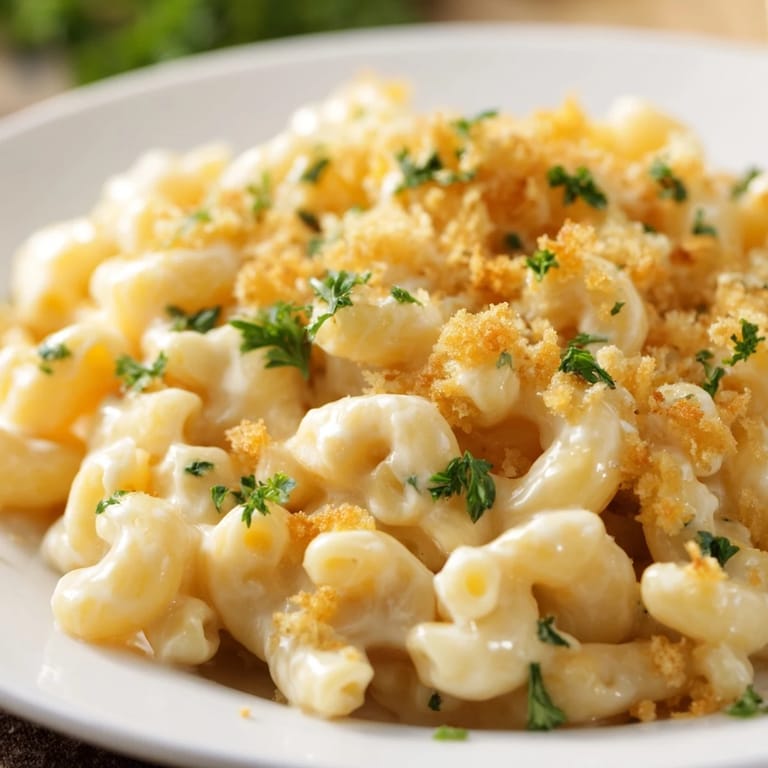
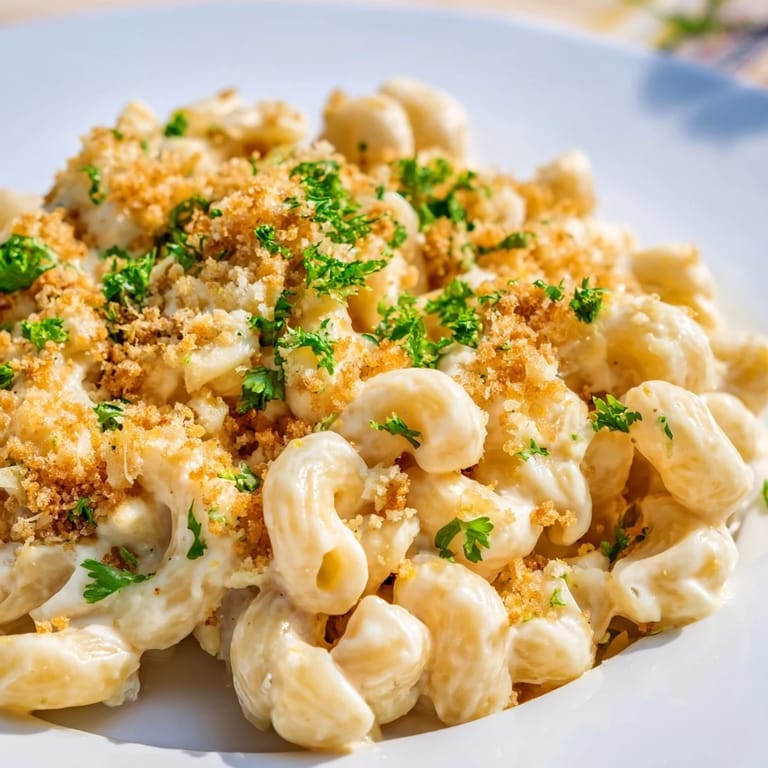
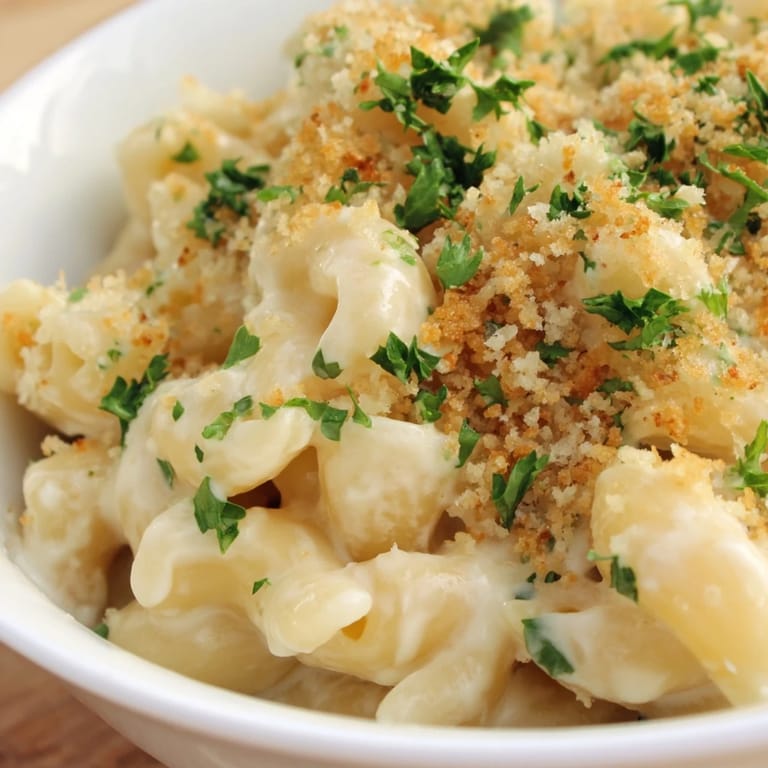
- If you want crispy breadcrumbs on top, transfer everything to a baking dish, scatter the breadcrumbs across the surface, and slide it under the broiler for 2-3 minutes until golden brown. Watch it closely because broilers work fast.
- Serve and Enjoy:
- Plate it up immediately while it's hot, garnish with fresh parsley if you have it, and let people dig in before the sauce sets too much as it cools.
 Save
Save There's something about making a meal that's genuinely good for you without announcing it that feels like a small kitchen victory. The first time someone asked for seconds and mentioned it was so satisfying, I realized this dish had become that rare thing—wholesome food that actually tastes indulgent. It changed how I think about what healthy eating can actually feel like at the table.
Why This Sauce Beats the Traditional Approach
Traditional mac and cheese relies on butter, flour, and cream to build that silky texture, which is delicious but leaves you feeling overstuffed. This method uses the natural creaminess of blended cottage cheese, which gives you the same velvety mouthfeel with a fraction of the fat. You're not sacrificing anything in terms of satisfaction—the protein actually keeps you fuller longer, so the lighter sauce works in your favor instead of against it.
Customizing Your Cheese Game
The beauty of a blended sauce is that it's forgiving with cheese substitutions, so feel free to swap the cheddar for Gruyère if you want something more sophisticated, or Monterey Jack for a milder, creamier flavor. I've also experimented with a mix of cheddar and fontina, which adds a subtle nuttiness that's really lovely. The Parmesan should stay constant though—it's doing important work in the salt and umami department, and there's no good substitute for it.
Beyond Plain Mac and Cheese
This sauce is a blank canvas if you want to get creative, and some of my favorite versions have involved adding vegetables or proteins to bulk it up. Steamed broccoli stirred in at the end adds texture and more nutrition without changing the flavor, or you can use shredded rotisserie chicken if you want to lean even harder into the protein angle. A pinch of cayenne pepper adds just enough heat to make people pause and ask what that subtle warmth is, without being spicy at all.
- Stir in cooked broccoli, chopped spinach, or diced bell peppers for vegetables that disappear into the creamy sauce.
- Shredded rotisserie chicken or baked tofu both work beautifully mixed in and make this a complete one-dish meal.
- A tiny pinch of smoked paprika in place of half the black pepper adds a gentle smokiness that feels unexpected in the best way.
 Save
Save This is the kind of recipe that works because it feels like a treat but actually nourishes you, which is what home cooking should feel like every time. I hope it becomes a reliable favorite for you the way it has for me.
Recipe FAQ
- → What kind of pasta works best for this dish?
High-protein pastas like chickpea, lentil, or whole wheat pasta provide added nutrition and complement the creamy sauce well.
- → How do I make the sauce extra creamy?
Blending the cottage cheese with milk and cheeses until smooth creates a velvety sauce. Heating gently while whisking helps maintain its creamy texture.
- → Can I add vegetables to this dish?
Yes, steamed broccoli or other veggies can be stirred in after combining pasta and sauce for added flavor and nutrients.
- → Is there an option to make the dish crunchy?
Sprinkle whole wheat breadcrumbs on top and broil until golden to add a crunchy texture.
- → What are some seasoning alternatives if I don't have Dijon mustard?
You can substitute Dijon mustard with yellow mustard or a small amount of prepared horseradish to maintain tanginess.