 Save
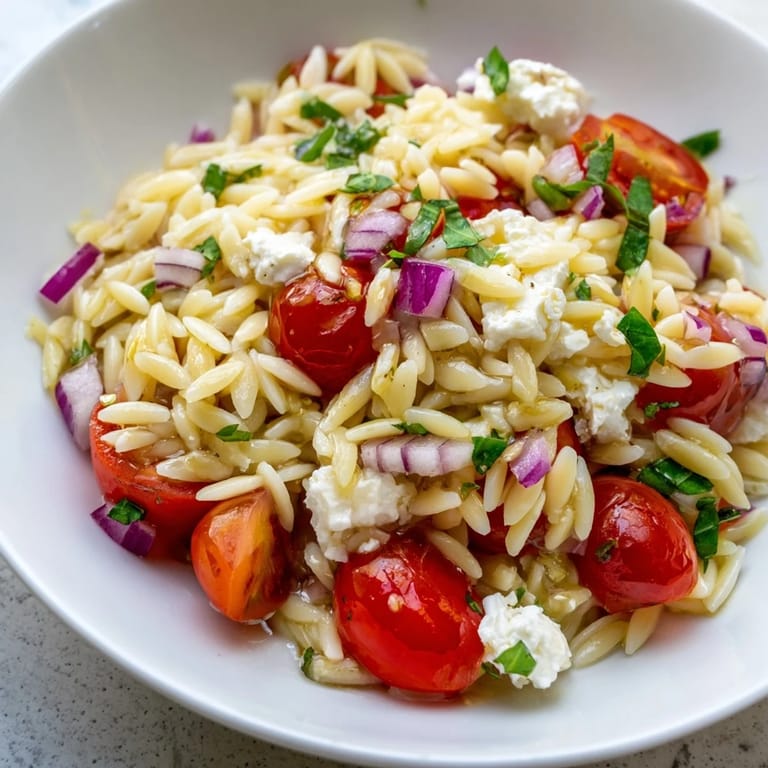
Save There's something about a bowl of orzo that catches people off guard—they expect it to taste summery and light, then the feta hits and suddenly it feels substantial. I learned this years ago when I made a massive batch for a potluck and watched someone take a second helping, surprised that what looked like a simple pasta salad had actually filled them up. The Mediterranean sun seems to live in every bite of this, no fancy techniques required.
My friend Maria made something almost like this on a sweltering afternoon, and I remember her standing at the kitchen counter with her bare feet on the cool tile, mixing herbs into the dressing with a glass of wine nearby. She never measured anything, just tasted and adjusted, and I realized watching her that this is exactly the kind of dish that wants you to trust your instincts. Now whenever I make it, I think of that moment—how simple food doesn't need to be fussy.
Ingredients
- Orzo: This rice-shaped pasta cooks quickly and holds onto the dressing without getting mushy if you rinse it properly—cold water stops the cooking instantly.
- Cherry tomatoes: Halving them lets the dressing seep into the cut side, and they stay tender without becoming sad and waterlogged.
- Red onion: Dice it small so it doesn't overpower, but don't skip it—the sharpness keeps everything from tasting one-note.
- Feta cheese: Crumble it just before tossing so it stays distinct and creamy rather than melting into a paste.
- Fresh basil and parsley: Add these right before serving if you can; they brighten the dish in a way dried herbs never quite manage.
- Extra-virgin olive oil: This isn't the moment to use budget oil—the good stuff actually tastes like something.
- Red wine vinegar: Just enough tang to balance the richness of the feta and cheese.
- Garlic and oregano: Together they whisper Mediterranean in every spoonful.
Tired of Takeout? 🥡
Get 10 meals you can make faster than delivery arrives. Seriously.
One email. No spam. Unsubscribe anytime.
Instructions
- Bring water to a boil and cook the orzo:
- Salt the water generously so the pasta seasons itself as it cooks. When it's tender but still has a tiny bit of resistance when you bite it, drain it immediately and rinse under cold running water—this stops the cooking and keeps it from turning mushy.
- Make the dressing:
- Whisk the olive oil, vinegar, minced garlic, and oregano together in a large bowl, then taste and season with salt and pepper. This is your chance to adjust the balance—if it feels too sharp, add a touch more oil; if it feels flat, a pinch more salt wakes it up.
- Combine everything:
- Add the cooled orzo, tomatoes, red onion, and feta to the dressing and toss gently, using a light hand so the feta stays in distinct pieces rather than breaking apart into crumbles.
- Add fresh herbs and taste:
- Stir in the basil and parsley, then taste a bite and adjust seasoning one more time—flavors can shift once everything sits together.
- Chill or serve:
- You can eat it straight away while the contrast of temperatures is interesting, or refrigerate it for a few hours and let the flavors settle into something deeper and more blended.
 Save
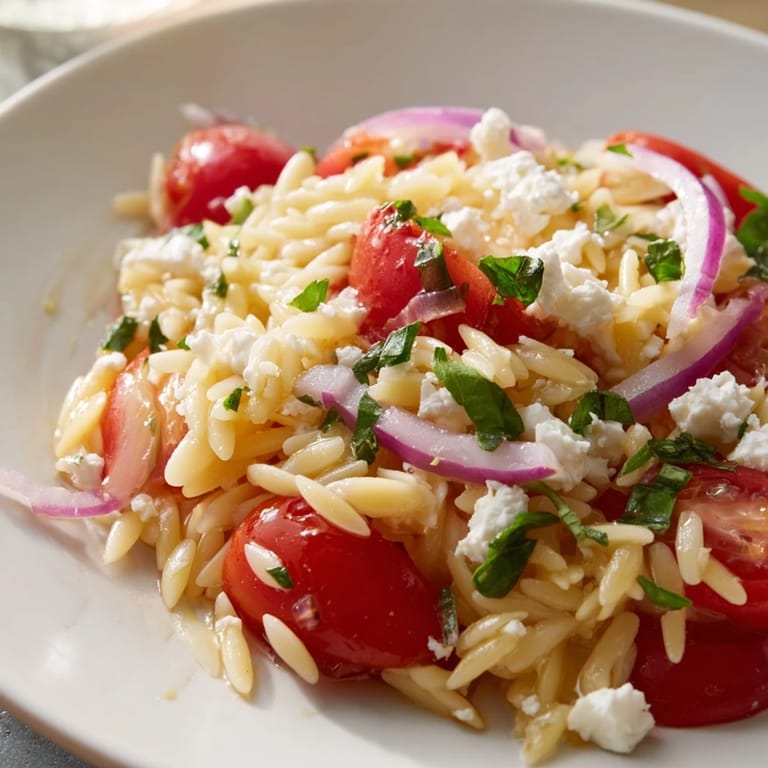
Save I made this for a small dinner last summer and it became the thing people asked for the recipe for—not because it was complicated, but because it tasted like someone actually cared. That feeling of a dish that comes together with minimal effort but somehow lands perfectly is rare, and it's why I keep coming back to this one.
The Orzo Question
The first time I made this, I used regular long-grain rice pasta and it disappeared into the dressing like it was trying to hide. Orzo works because its shape creates little pockets for the dressing to cling to, and it has just enough surface area to absorb flavor without falling apart. If you can't find orzo, small shells or ditalini work in a pinch, but the orzo really is the sweet spot for this particular salad.
Tomato Season Timing
Make this when tomatoes are at their best—late summer into early fall, when they actually taste like something. In winter, it's not worth it; the tomatoes will be mealy and sad, and no amount of vinegar will fix that. If you're craving this when tomatoes aren't good, that's the perfect moment to try roasted red peppers or even sun-dried tomatoes, which bring their own concentrated sweetness to the bowl.
Customizing Your Bowl
The beautiful thing about this salad is that it adapts to what you have. I've thrown in roasted red peppers, added a handful of spinach, stirred in Kalamata olives the second before serving, or even added chickpeas when I wanted it to feel more substantial. The base stays the same, but the variations are endless.
- Kalamata olives bring a salty-briny note that plays beautifully against the creaminess of feta.
- A handful of fresh spinach or arugula adds green and a peppery edge that cuts through the richness.
- Chickpeas or white beans turn this into a proper meal if you're making it for yourself alone.
 Save
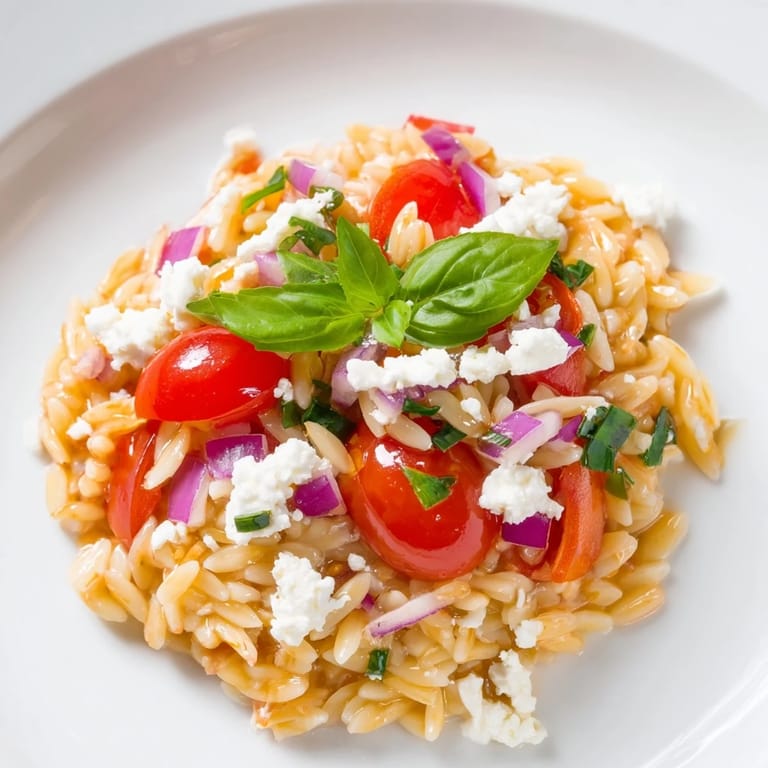
Save This is the kind of dish that quietly solves the problem of what to bring, what to eat, what to feed people who aren't expecting much. It never disappoints.