 Save
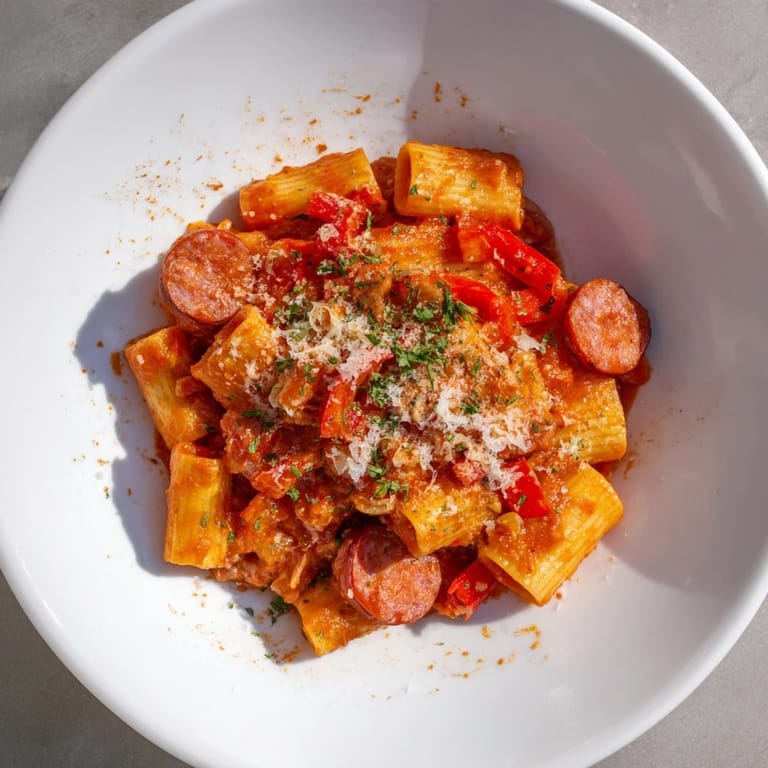
Save There's something about the way Spanish chorizo smells when it hits a hot pan that instantly transports you somewhere warmer, somewhere with terracotta tiles and long afternoons. I discovered this pasta quite by accident one weeknight when I had chorizo left over from a charcuterie board and decided to build an entire dinner around it. The first bite—smoky, spicy, with that sweet tomato edge—felt like a small rebellion against the usual weeknight routine, and I've been making it ever since whenever I want to feel like I'm cooking with intention.
I made this for a friend who swore she didn't like spicy food, and watching her go back for seconds while insisting it was just "smoky, not spicy" was one of those quiet kitchen victories that makes cooking worthwhile. She's been asking for the recipe ever since, which tells you everything you need to know about how approachable and craveable this dish really is.
Ingredients
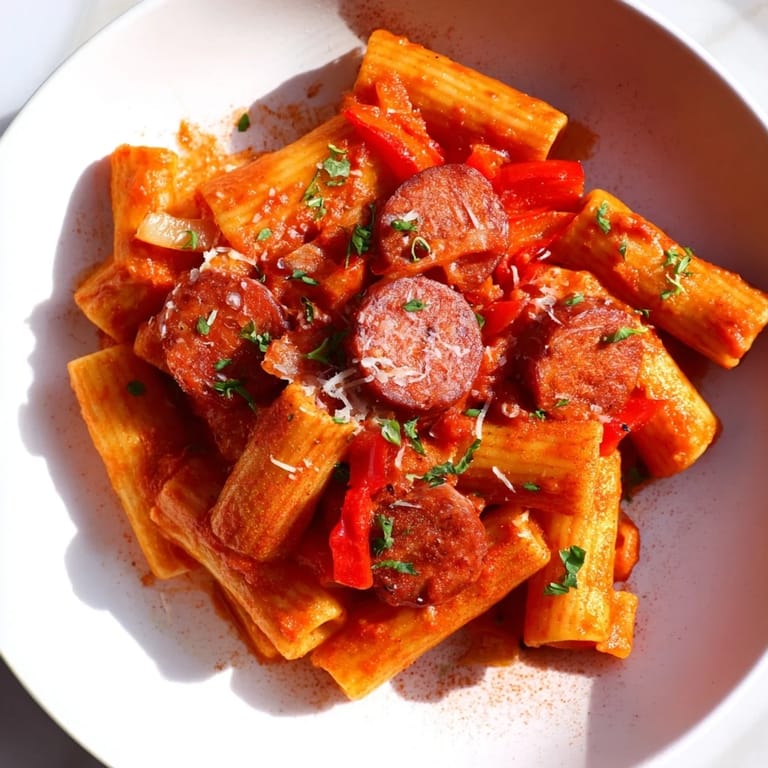
- Penne or rigatoni pasta (350 g): The tube shapes trap the smoky sauce beautifully, so skip the spaghetti for this one.
- Spanish chorizo (200 g), sliced into thin rounds: This is your flavor anchor—don't skimp or substitute with regular pepperoni, as the paprika-infused oil is what makes the dish sing.
- Extra virgin olive oil (2 tbsp): Use something you actually like the taste of, since it's a supporting actor here rather than background noise.
- Medium onion, finely chopped: The sweetness balances the chorizo's heat and smokiness in ways you won't regret.
- Red bell pepper, diced: Fresh and slightly jammy when cooked, it adds color and a gentle sweetness that rounds out the sharper spices.
- Garlic (2 cloves), minced: Raw garlic stirred in at the right moment creates those little flavor bombs when you bite into them.
- Canned chopped tomatoes (400 g): Canned works just as well as fresh here and honestly tastes better when you're not in tomato season.
- Smoked paprika (1 tsp): This is non-negotiable—it's the bridge between your kitchen and Spain.
- Chili flakes (½ tsp, optional): Add these if you want more heat, or leave them out if you're cooking for people who get nervous about spice.
- Freshly ground black pepper: Better to add this yourself than rely on the pre-ground stuff sitting in your cabinet.
- Fresh parsley, chopped: The brightness at the end keeps this from feeling heavy, even though it's rich and satisfying.
- Manchego or Parmesan cheese, grated: A light dusting transforms it into something almost luxurious, though it's delicious without it too.
Tired of Takeout? 🥡
Get 10 meals you can make faster than delivery arrives. Seriously.
One email. No spam. Unsubscribe anytime.
Instructions
- Get the pasta water ready:
- Bring a large pot of generously salted water to a boil while you gather everything else. This headstart means you're not standing around waiting, and the salt in the water is where your pasta gets its seasoning.
- Cook the pasta to al dente:
- Follow the package time, but start testing a minute or two before it tells you to—you want it just tender enough to bite through. Reserve half a cup of pasta water before draining (this liquid gold will save you if the sauce gets too thick later).
- Crisp the chorizo:
- While the pasta cooks, heat olive oil in a large skillet over medium heat and add the sliced chorizo. Let it sit for a couple of minutes before stirring so it develops color and releases its oils—this is where the magic begins.
- Build the base:
- Add the onion and bell pepper to the chorizo and let them soften for about 4–5 minutes, stirring occasionally. You want the onion to turn translucent and the pepper to lose its raw bite.
- Wake up the spices:
- Stir in the minced garlic, smoked paprika, and chili flakes, then let everything cook for just 1 minute so the spices release their aromatic oils into the pan. This brief moment makes all the difference in depth of flavor.
- Simmer the sauce:
- Pour in the chopped tomatoes and let the mixture bubble gently for 8–10 minutes until the sauce thickens slightly and the flavors marry together. You'll smell when it's ready—rich, smoky, with a hint of sweetness underneath.
- Bring it all together:
- Add the drained pasta to the skillet and toss everything to coat. If it looks too dry, add a splash of reserved pasta water and stir again until the pasta is glossy and clings to the sauce.
- Season and serve:
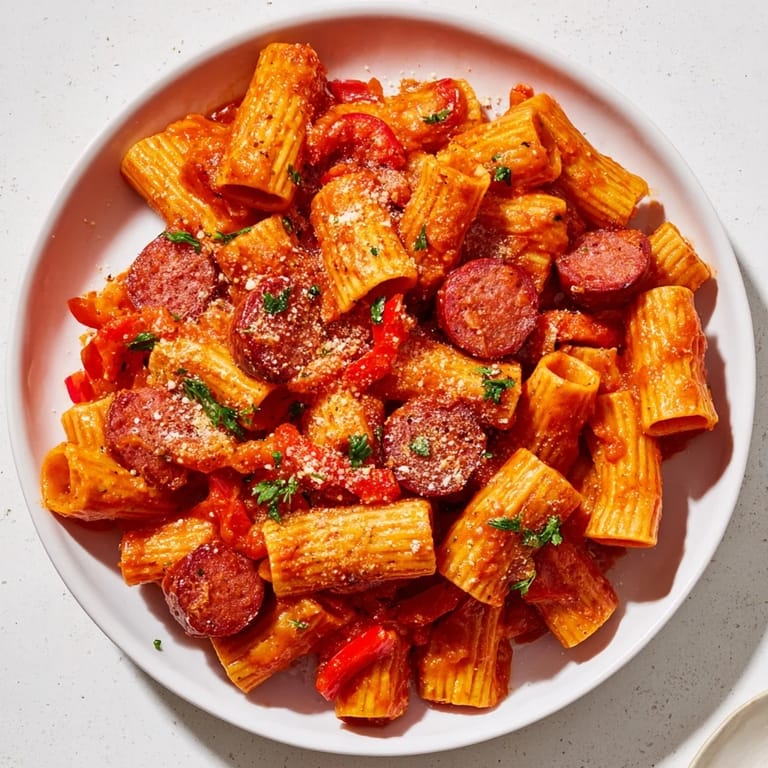
- Taste for salt and pepper (you might not need much salt since the chorizo is already fairly seasoned), then divide into bowls. Top with fresh parsley and a handful of grated cheese if you'd like, and serve while it's still steaming.
 Save
Save There was an evening when I made this for my partner after a long day at work, and something about sitting down to eat something warm and deeply flavored together felt like the meal was doing more than just nourishing us. It reminded me that simple food, made with a little care and the right ingredients, can feel like hospitality to yourself and whoever's sitting across from you.
Why Smoked Paprika Changes Everything
The first time I made a chorizo pasta without it, using regular paprika instead, I realized I'd made a completely different dish—one that was pleasant but missing that smoky depth that makes you close your eyes while you're eating. Smoked paprika does the work of hours of slow cooking in just a teaspoon, which is why it's worth keeping a fresh tin in your spice cabinet. Once you taste the difference, you'll understand why Spanish cooking leans on it so heavily.
Ways to Make It Your Own
This recipe is a foundation, not a rule. The beauty of it is how forgiving it is to small additions and adjustments based on what's in your kitchen or what you're craving that day. Some nights I add a splash of dry white wine after the vegetables have softened, letting it cook down for a minute so the acidity cuts through the richness. Other times I'll stir in a handful of fresh spinach or arugula right at the end, just to wilt it into the pasta and add some green alongside all that warmth and spice. If you can't find Spanish chorizo, spicy Italian sausage works, though the flavor will be slightly different—the dish will still be delicious, just with a different character.
Beyond the Weeknight
What surprised me most about this recipe is how easily it scales up for a dinner party or how well it sits in the fridge for a day or two, becoming something almost better as the flavors deepen and settle into the pasta. It's the kind of dish that proves you don't need technique or ingredients you can't pronounce to cook something memorable.
- Make it the day before if you're feeding people and need one less thing to worry about come dinnertime.
- A squeeze of fresh lemon right before serving brightens everything if the dish feels too heavy.
- Leftover pasta is best brought gently in a covered skillet with a splash of water, never the microwave.
 Save
Save This pasta has become my answer to the question of what to cook when I want something that feels special but doesn't ask me to be a better cook than I am. That's the truest recipe magic there is.
Recipe FAQ
- → What kind of pasta works best with Spanish chorizo?
Penne or rigatoni are ideal as their ridges hold the smoky sauce well, but any firm pasta shape will work.
- → Can I adjust the spiciness of this dish?
Yes, omit or reduce chili flakes to control heat. The chorizo itself adds a natural spicy kick.
- → Is there a substitute for Spanish chorizo?
Spicy Italian sausage is a good alternative, providing similar flavor and texture.
- → How can I make the sauce richer?
Adding a splash of dry white wine after sautéing the vegetables enhances depth and richness.
- → What garnish complements this dish best?
Fresh parsley and grated Manchego or Parmesan add freshness and a creamy finish.