 Save
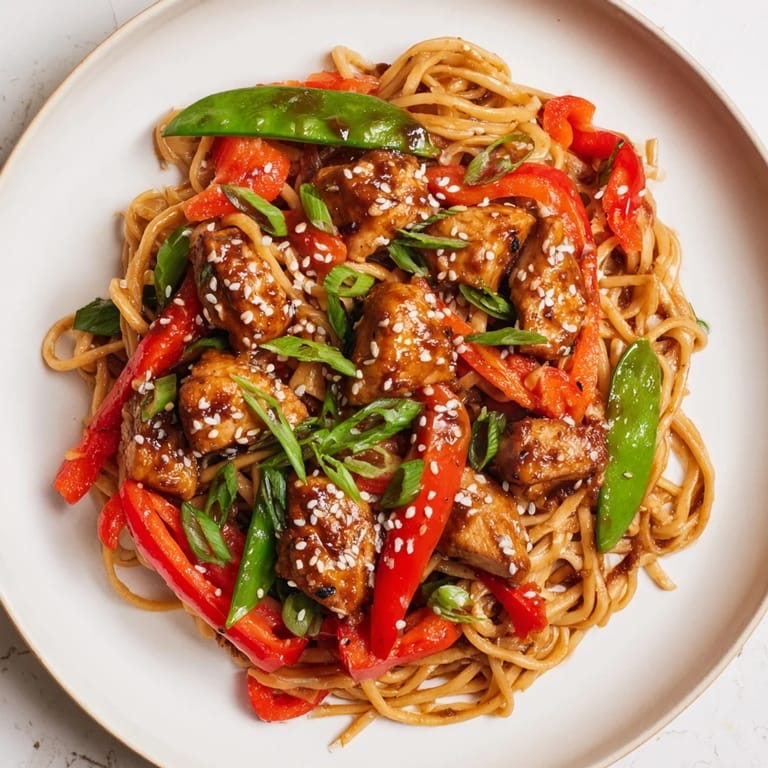
Save There's something magical about the moment when you're standing in front of your stove, and the kitchen fills with the aroma of ginger and garlic hitting hot oil—that's when I knew this sesame hoisin chicken pasta had to become a regular in my cooking rotation. I'd been craving something that felt like takeout but came together faster than delivery, and one Tuesday night, I started experimenting with what I had: ground chicken, linguine, and a bottle of hoisin sauce that had been sitting in my pantry. The result was so good that my partner asked for it three times in the next two weeks, and I realized I'd stumbled onto something special—a dish that bridges two cuisines without feeling forced or confused.
I made this for my best friend's surprise dinner party last spring, and watching her face light up when she tasted it made me realize that fusion dishes have a special power—they feel adventurous without being intimidating. She'd been skeptical about mixing Asian flavors with pasta, but by the second bite, she was asking for the recipe and the story behind it. There's something satisfying about proving that traditions can dance together on the same plate.
Ingredients
- Linguine, 350 g (12 oz): You want a pasta that has enough surface area to catch the sauce; linguine's ribbon-like shape is perfect for this.
- Ground chicken, 450 g (1 lb): The real star here—lean, quick-cooking, and takes on flavor beautifully.
- Red bell pepper, 1, thinly sliced: The sweetness balances the savory hoisin, and it stays crisp if you don't overcook it.
- Snap peas, 1 cup, halved: These add a delicate crunch and a little freshness that cuts through the richness of the sauce.
- Green onions, 2, thinly sliced (reserve some for garnish): Slice some before cooking and save some raw for garnish—the contrast in texture is worth it.
- Garlic, 2 cloves, minced: Fresh garlic is non-negotiable here; it's the backbone of the flavor profile.
- Fresh ginger, 1-inch piece, grated: This is what gives the dish its warmth and prevents it from tasting one-dimensional.
- Hoisin sauce, 5 tbsp: Look for a good-quality brand—the difference in depth of flavor is real.
- Low-sodium soy sauce, 2 tbsp: Low-sodium gives you control over the final salt level.
- Rice vinegar, 1 tbsp: A little acid brightens everything and keeps the dish from feeling heavy.
- Toasted sesame oil, 2 tsp: This is finishing oil, not cooking oil—a little goes a long way, and it's what makes people taste something they can't quite place.
- Chili garlic sauce, 1 tsp (optional): For people who like a gentle warmth without overwhelming heat.
- Honey, 1 tbsp: A small amount rounds out the sauce and brings balance to the saltiness.
- Toasted sesame seeds, 2 tbsp: Toasted, not raw—the difference in flavor is dramatic.
- Fresh cilantro or scallions (optional): Either works as a fresh finish that adds brightness right before serving.
Tired of Takeout? 🥡
Get 10 meals you can make faster than delivery arrives. Seriously.
One email. No spam. Unsubscribe anytime.
Instructions
- Get your pasta water started:
- Bring a large pot of salted water to a rolling boil and cook the linguine according to package directions until it's just al dente—you want a slight resistance when you bite into it, not soft. Drain it through a strainer and set it aside, making sure to reserve about 1/2 cup of that starchy pasta water because it's going to be your secret weapon for making the sauce silky.
- Mix your sauce while you wait:
- In a small bowl, whisk together the hoisin, soy sauce, rice vinegar, sesame oil, chili garlic sauce if you're using it, and honey until it's smooth and well combined. This step takes 30 seconds but tastes like you spent hours building layers of flavor.
- Cook the chicken until it's golden:
- Heat a large skillet or wok over medium-high heat and add a splash of neutral oil—something with a high smoke point works best. Add the ground chicken and use a wooden spoon to break it up as it cooks, stirring occasionally, until there's no pink left and it's starting to look golden, which should take about 5 minutes. You want it cooked through but not mushy.
- Build the flavor with aromatics:
- Add the minced garlic, grated ginger, and most of the sliced green onions (save some for the top) to the skillet and let them cook for about 1 minute, stirring constantly, until the kitchen smells incredible and you can see the garlic starting to soften. This is the moment the dish really comes alive.
- Add color and crunch:
- Stir in the sliced bell pepper and snap peas and cook for 2 to 3 minutes, stirring occasionally, until the vegetables are tender but still have a little bite to them. You're looking for that moment where they've heated through but haven't gone soft.
- Bring it all together with sauce:
- Pour the sauce you made earlier over the chicken and vegetables, stirring constantly until everything is coated in that gorgeous, glossy sauce. Let it warm through for a minute, and you'll see it start to coat everything beautifully.
- Toss the pasta into the mix:
- Add the cooked linguine to the skillet and toss everything together, using your spoon to make sure every strand of pasta gets coated. If it looks a little thick or dry, add your reserved pasta water a little at a time, tossing between additions, until the sauce clings to the pasta but isn't soupy—this usually takes about 1/4 to 1/2 cup.
- Finish with finesse:
- Remove the skillet from the heat and sprinkle the toasted sesame seeds over the top, along with the green onions you reserved earlier and fresh cilantro or more scallions if you'd like. The raw onions on top add a fresh, sharp contrast to the warm, savory dish.
- Serve right away:
- Divide the pasta between bowls or plates and serve immediately while everything is still warm and the sesame seeds are still fragrant.
 Save
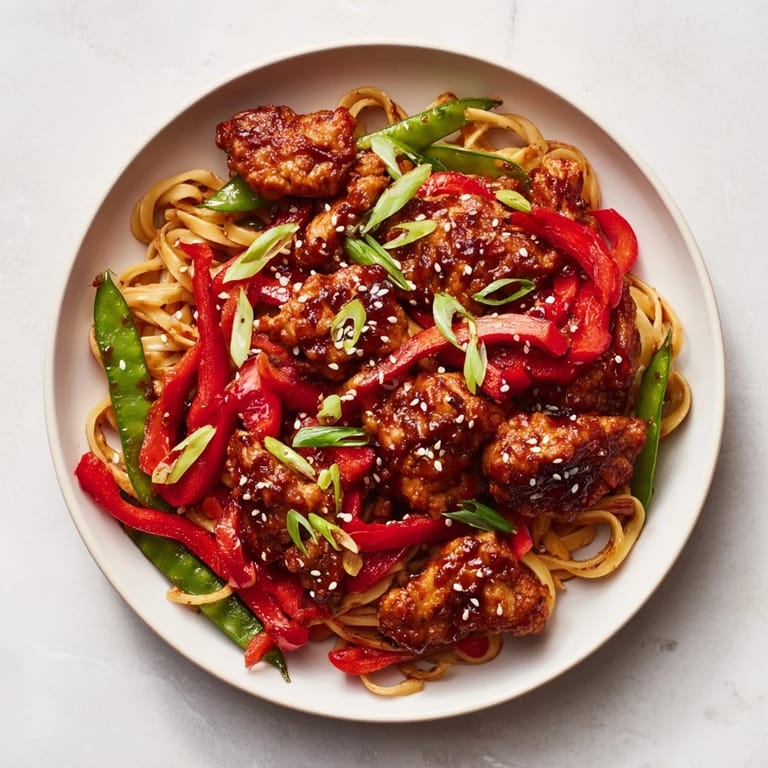
Save I learned something important the first time I made this dish: the difference between a good meal and a great meal is often just respect for the details. When I added the sesame oil at the end instead of the beginning, the entire character of the dish changed—suddenly it had depth and a floral note that made people pause mid-bite and ask what it was. That's when cooking stops being just about following instructions and becomes about understanding how each ingredient wants to shine.
The Magic of Fusion Cooking
This dish sits beautifully in that in-between space where Asian technique meets Italian pasta, and it works because both sides respect each other. The hoisin and sesame aren't trying to hide the pasta or fight it—they're enhancing it, adding depth where the sauce would be simple. I've found that the best fusion dishes don't feel like experiments; they feel inevitable, like two things that were always meant to find each other.
Timing and Flexibility
One of the best things about this recipe is that it's genuinely quick without feeling rushed. Because everything cooks at high heat in one pan, you can have dinner on the table in under 40 minutes from the moment you start boiling water. It's also forgiving—if your vegetables are a little overcooked or your chicken is done a minute early, the dish doesn't fall apart. Life happens in the kitchen, and this dish accommodates the small mistakes.
Variations and Substitutions
I love that this recipe is flexible enough to work with what you have on hand or what you're craving. Ground turkey has a slightly leaner quality that works beautifully here, while ground pork gives you a richer mouthfeel. Tofu can replace the chicken entirely if you want to go vegetarian, and there are plant-based hoisin sauces that work perfectly. You can also adjust the heat by adding more chili garlic sauce, or keep it completely mild if you're cooking for someone who prefers gentler flavors.
- Try adding a handful of mushrooms or broccoli if you want more volume and a deeper earthiness to the dish.
- A squeeze of fresh lime juice at the end brightens everything and adds another layer of complexity.
- Noodle-wise, you can swap linguine for any pasta that holds sauce well—fettuccine, pappardelle, or even ramen noodles work.
 Save
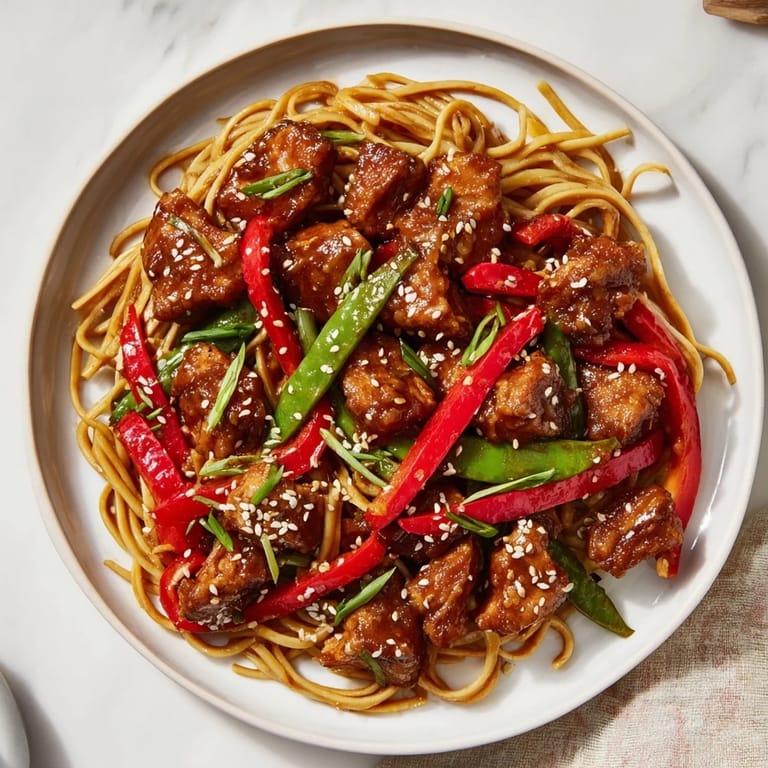
Save This pasta has become the dish I turn to when I want to cook something that feels special but doesn't require hours of planning or stress. It's proof that the best meals come from listening to what you want and then trusting yourself to make it happen.
Recipe FAQ
- → Can I substitute the ground chicken with other proteins?
Yes, ground turkey or pork can be used as alternatives. For a plant-based option, firm tofu or plant-based ground products work well.
- → How do I achieve the right sauce consistency?
Reserve some pasta water when cooking linguine and add it gradually to the skillet; this helps the sauce coat the noodles smoothly without becoming too thick.
- → What vegetables best complement this dish?
Bell peppers and snap peas provide crispness and color, while green onions add freshness. You can adjust or add other crunchy veggies as preferred.
- → Is the chili garlic sauce necessary?
It's optional and can be omitted for a milder flavor or increased for extra heat depending on your taste preferences.
- → What garnishes enhance flavor and presentation?
Toasted sesame seeds and fresh cilantro or scallions add both texture and a fresh, aromatic finish to this dish.