 Save
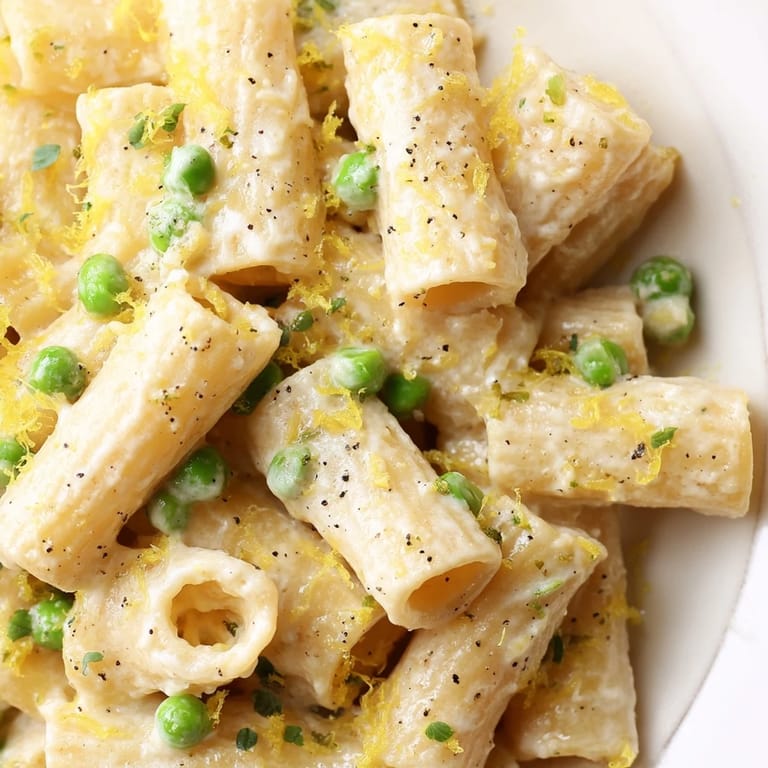
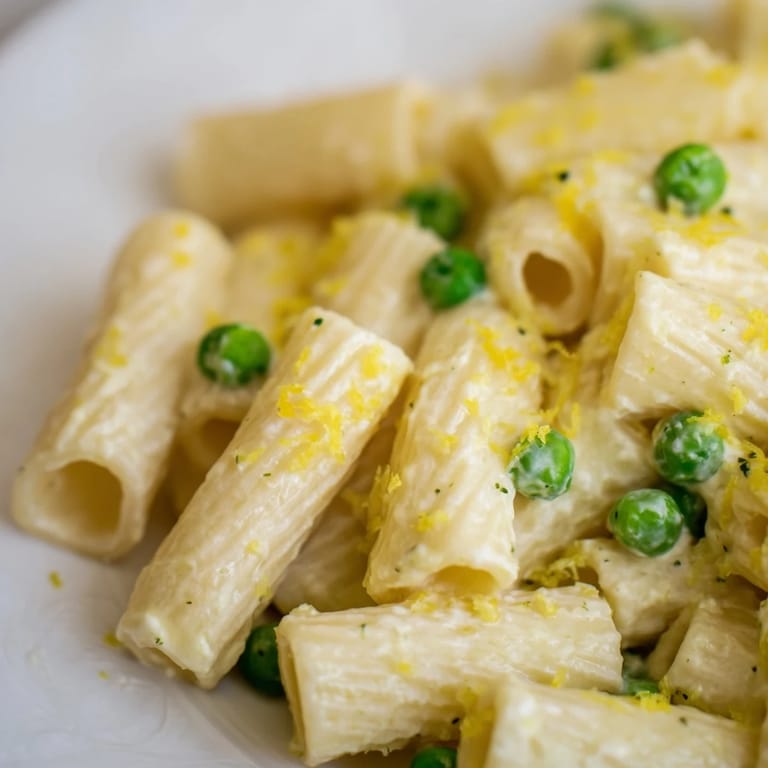
Save Spring always sneaks up on me through the farmers market, not the calendar. One Saturday I spotted the first bundles of bright peas and grabbed two handfuls without a plan. Back home, I tossed them with leftover ricotta, lemon, and whatever pasta was in the cupboard. That improvised bowl turned into this recipe, the kind of dish that tastes like sunshine even when it's drizzling outside.
I made this for a friend who swore she hated peas. She ate two servings and asked for the recipe before she left. Turns out she just hated mushy cafeteria peas, not the sweet little gems that pop against tangy ricotta. Now she texts me every spring when peas show up at her grocery store.
Ingredients
- Rigatoni: The ridges catch the ricotta beautifully, but any short pasta works if thats what you have on hand.
- Ricotta cheese: Use whole milk ricotta for the creamiest result, it becomes the entire sauce base here.
- Lemon zest and juice: Fresh lemon is non-negotiable, bottled juice tastes flat and won't give you that bright zing.
- Extra-virgin olive oil: A good quality oil adds richness and helps the ricotta coat every piece of pasta.
- Garlic clove: Grate it fine so it melts into the sauce instead of leaving sharp bites.
- Parmesan cheese: Adds salty depth and helps bind everything together into a silky sauce.
- Green peas: Frozen peas are a gift, they cook in minutes and taste nearly as sweet as fresh.
- Fresh basil or mint: Optional but lovely, mint especially makes this feel like a garden in a bowl.
Tired of Takeout? 🥡
Get 10 meals you can make faster than delivery arrives. Seriously.
One email. No spam. Unsubscribe anytime.
Instructions
- Boil the pasta:
- Bring a large pot of well-salted water to a rolling boil and cook the rigatoni until al dente. Before you drain anything, scoop out half a cup of that starchy pasta water, it's your secret weapon for a creamy sauce.
- Blanch the peas:
- Toss the peas into the boiling pasta water during the last two or three minutes of cooking. They'll turn bright green and tender without needing a separate pot.
- Mix the ricotta sauce:
- In a big bowl, whisk together ricotta, lemon zest, lemon juice, olive oil, grated garlic, Parmesan, salt, and pepper until smooth. If it looks too thick, loosen it with a splash of that reserved pasta water.
- Toss everything together:
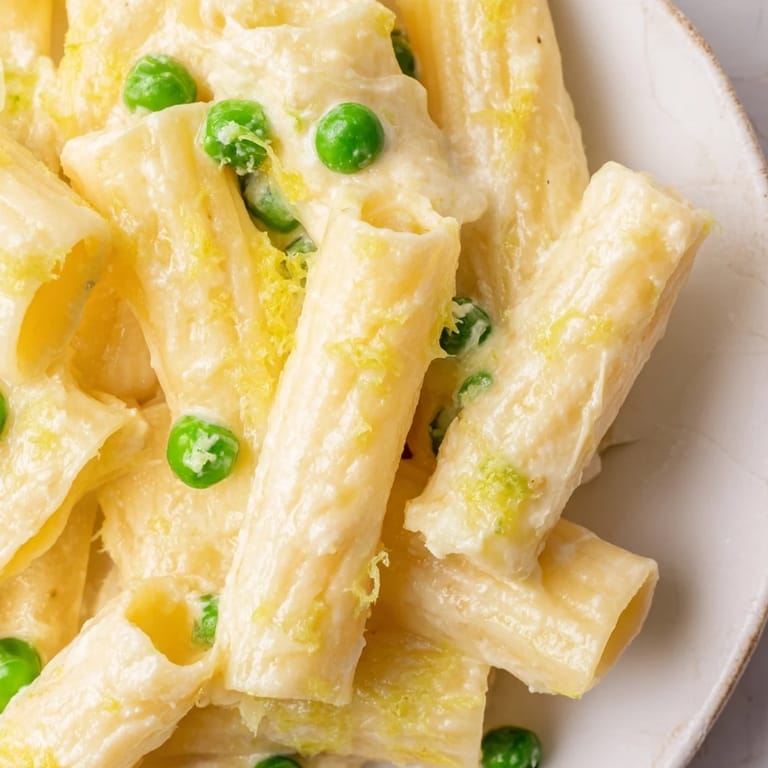
- Add the hot drained pasta and peas directly into the ricotta mixture and toss with tongs or a wooden spoon. Drizzle in more pasta water bit by bit until the sauce coats every piece of rigatoni like silk.
- Serve immediately:
- Plate it up while it's still steaming and top with extra Parmesan, fresh herbs, and more lemon zest if you're feeling fancy.
 Save
Save This became my go-to when I need to feel like I have my life together but only have twenty minutes and half a fridge. It's the dish I bring to potlucks, make for weeknight dinners, and serve to guests who think I spent hours in the kitchen. Nobody needs to know it's mostly just stirring and tasting.
Ingredient Swaps That Work
I've made this with penne, fusilli, and even broken lasagna noodles when I was desperate. Any short pasta with texture works beautifully. If you want extra richness, stir in a handful of toasted pine nuts or swap half the ricotta for mascarpone. Vegan ricotta and nutritional yeast instead of Parmesan make a surprisingly good dairy-free version, though you'll want to add a pinch more salt.
How to Store and Reheat
Leftovers keep in the fridge for up to three days, though the sauce thickens as it sits. Reheat gently on the stovetop with a splash of water or milk to bring back that creamy texture. I don't recommend freezing this one, ricotta gets grainy when thawed and the peas turn mushy.
Making It Your Own
Once you've made this a few times, it becomes a template for whatever's in season. I've added asparagus tips in spring, cherry tomatoes in summer, and sautéed mushrooms in fall. A pinch of chili flakes gives it a gentle kick, and a handful of arugula tossed in at the end adds peppery bite.
- Try adding crispy pancetta or prosciutto if you're not keeping it vegetarian.
- Stir in a spoonful of pesto for extra herby depth.
- Top with toasted breadcrumbs for crunch if you're into texture contrast.
 Save
Save This is the kind of recipe that makes you look like a better cook than you are, and I mean that as the highest compliment. Keep the ingredients on hand and you'll always be twenty minutes away from something that feels like a hug in a bowl.
Recipe FAQ
- → Can I use fresh peas instead of frozen?
Yes, fresh peas work beautifully. Simply blanch them for 2-3 minutes in the boiling salted water until tender-crisp before draining with the pasta.
- → What pasta shapes work best for this dish?
Tube or ridged pastas like rigatoni, penne, and fusilli work wonderfully as they trap the creamy sauce. Short pasta shapes are ideal, though any shape can be substituted based on preference.
- → How do I prevent the ricotta sauce from being too thick?
Reserve pasta water before draining and use it gradually when tossing. The starch in the pasta water creates a silky sauce. Add small splashes until you reach desired consistency.
- → Is this dish suitable for vegans?
Yes, substitute ricotta and Parmesan with vegan alternatives. The flavor profile remains vibrant and delicious with quality plant-based cheeses.
- → Can I make this ahead or reheat it?
Best served immediately for optimal texture. If needed, store leftovers refrigerated for up to 2 days. Reheat gently on stovetop with a splash of pasta water to restore creaminess.
- → What garnishes pair well with this dish?
Fresh basil, mint, extra lemon zest, and grated Parmesan are classic choices. For richness, add toasted pine nuts or a drizzle of quality olive oil.