 Save
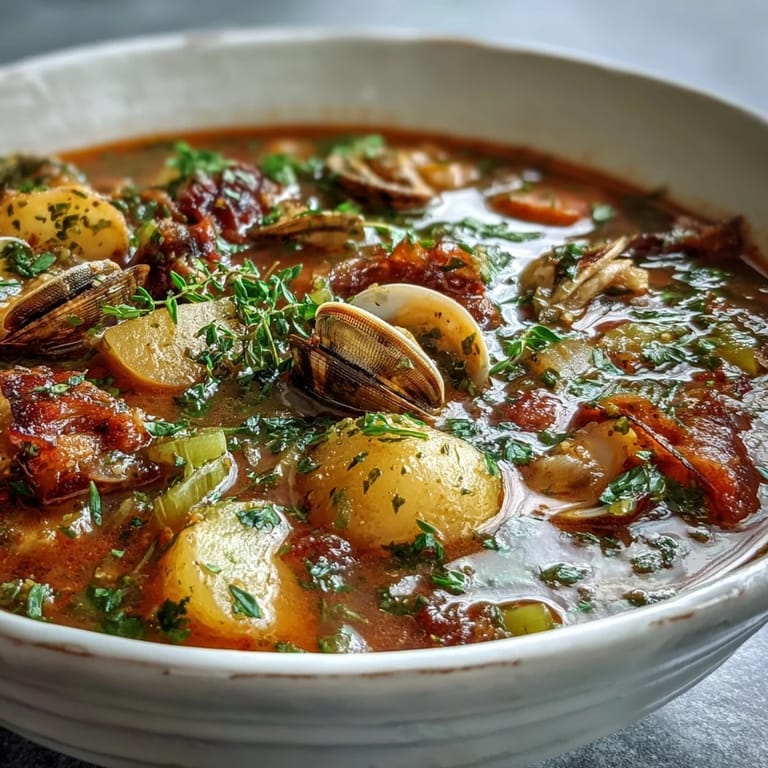
Save There's something about the smell of clams steaming open that immediately transports me to a weathered seafood shack somewhere along the Connecticut coast. My grandmother used to make Manhattan clam chowder on the first cold Saturday of October, and I'd watch her coax those clams from their shells with nothing but patience and a little heat. The tomato-based broth—bright red and alive with herbs—was nothing like the creamy New England version everyone expected, which made it feel like her secret, something we shared just by being in that kitchen together.
I made this for my partner on a Tuesday evening when neither of us had planned dinner, and something about the way the kitchen filled with that oceanic, herbaceous steam made the whole apartment feel warmer. We ate it standing up at the counter, dunking bread into bowls, and suddenly an improvised meal became the kind of quiet evening you remember fondly months later.
Ingredients
- Fresh clams (2 pounds littlenecks) or canned chopped clams (3 cups): Fresh clams give you that authentic briny flavor and steaming liquid gold, but canned works beautifully when you're short on time—just make sure to reserve every drop of that juice.
- Clam juice (3 cups total): This is the backbone of the chowder, so use a combination of your steaming liquid and quality bottled juice rather than bottled alone if you can.
- Canned diced tomatoes (28 ounces with juice): San Marzano tomatoes make a noticeable difference here, bringing sweetness and depth without needing to simmer forever.
- Water (1 cup): This tempers the saltiness of the clam juice and gives the broth room to develop its own flavor.
- Olive oil (2 tablespoons): Good quality matters—you're not cooking it hot enough to mask inferior oil, so use something you'd drizzle on bread.
- Onion, celery, carrots, and green bell pepper (1 large, 2 stalks, 2 medium, 1 large): This aromatic base is where the magic starts; don't skip the bell pepper because its slight sweetness balances the tomato's acidity beautifully.
- Yukon gold potatoes (3 medium, peeled and diced): They hold their shape better than russets and add a buttery richness that feels essential to this soup.
- Garlic (3 cloves, minced): Add it after softening your vegetables so it doesn't burn and turn bitter on you.
- Thyme and oregano (1 teaspoon each, dried): These are gentle herbs that layer into the background rather than shouting; use fresh if you have them, but dried works perfectly here.
- Crushed red pepper flakes (½ teaspoon, optional): A whisper of heat that wakes up all the other flavors without making anyone reach for water.
- Bay leaves (2): They're your reminder to slow down and let everything simmer properly; fish them out before serving or they'll scratch someone's tooth.
- Black pepper and kosher salt (½ teaspoon and ¾ teaspoon): Salt last, always, because the clam juice is already salty and you need to taste as you go.
- Fresh parsley (2 tablespoons, chopped): This is your final brightness, scattered on top just before serving so it stays green and peppery.
Tired of Takeout? 🥡
Get 10 meals you can make faster than delivery arrives. Seriously.
One email. No spam. Unsubscribe anytime.
Instructions
- Prepare your clams:
- If using fresh clams, scrub them under cold running water until the shells feel clean—you're removing sand and grit that would crunch unpleasantly later. Place them in a large pot with 1 cup water, cover it, and steam over medium-high heat for 5 to 7 minutes until they all pop open; discard any that refuse to open because they're not safe to eat. Once cooled slightly, remove the meat from the shells, chop it coarsely, and strain that steaming liquid through cheesecloth or a fine sieve to catch any sediment.
- Build your flavor base:
- Heat olive oil in your largest, heaviest pot over medium heat, then add the onion, celery, carrots, and bell pepper in that order, stirring occasionally until everything is soft and the onion turns translucent (about 6 to 8 minutes). The vegetables will release their sugars and create a sweet-savory foundation that makes the whole soup taste more developed than it has any right to after such little effort.
- Add aromatics and potatoes:
- Stir in the minced garlic and let it become fragrant for exactly 1 minute—any longer and it starts to turn bitter. Add the diced potatoes, canned tomatoes with their juice, all your clam juice, the reserved steaming liquid, thyme, oregano, bay leaves, red pepper flakes if you're using them, salt, and black pepper, then stir everything together so nothing sticks to the bottom.
- Simmer until potatoes are tender:
- Bring the whole pot to a boil, then immediately lower the heat so it's just a gentle simmer where bubbles break the surface lazily rather than aggressively. Let it cook uncovered for 20 to 25 minutes, stirring occasionally, until the potatoes are fork-tender and the broth has deepened in color slightly.
- Finish with clams:
- Gently stir in your chopped clams and let everything simmer together for just 3 to 5 minutes more to heat them through—clams toughen if you cook them too long, so don't wander away or get distracted. Taste the broth carefully and adjust salt and pepper if needed, then fish out the bay leaves and discard them.
- Serve with intention:
- Ladle the chowder into bowls, scatter fresh parsley on top of each one, and serve it hot with crusty bread or oyster crackers on the side.
 Save
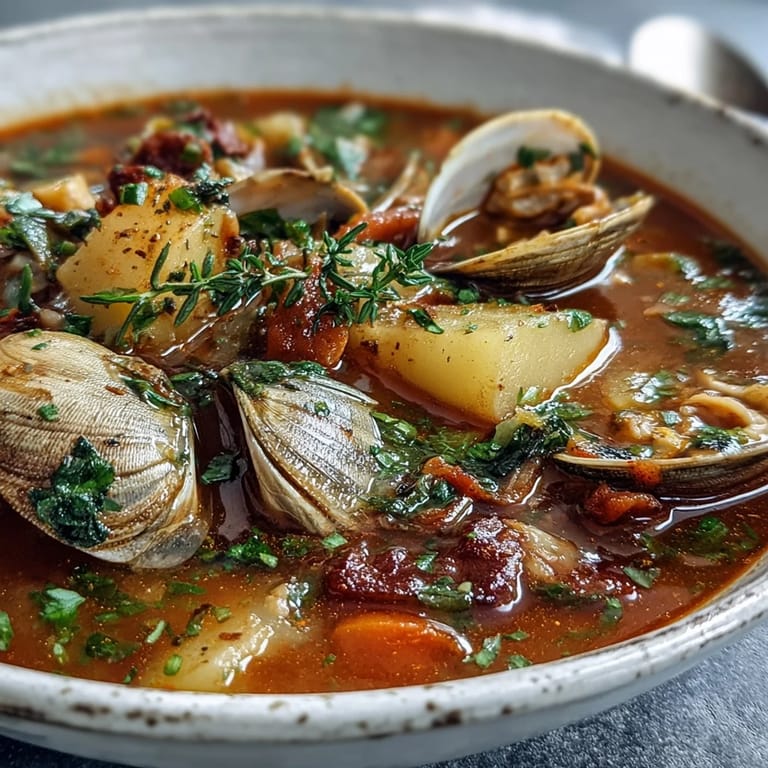
Save Years ago, my aunt brought a pot of this chowder to a neighborhood gathering on a gray November afternoon, and I watched strangers taste it and suddenly become less like strangers. There's something about a warm bowl of soup that breaks down the distance between people, makes conversation easier, reminds everyone that we're all just looking for something good to eat.
Fresh vs. Canned Clams: Making Your Choice
Fresh clams absolutely deliver a brighter, more mineral-forward flavor, and if you can find good littlenecks and have 20 minutes, it's worth the effort. But canned clams are honestly reliable and practical—I've made this soup countless times with quality canned clams and nobody ever noticed or cared that it wasn't made from fresh, which tells you something about what matters most in a pot of soup.
Why This Chowder Tastes Like the Ocean
The secret isn't complicated—it's using every bit of clam juice you can get your hands on, whether that's from steaming fresh clams or from the can. The combination of clam juice, tomato, and herbs creates a broth that tastes intentional and layered rather than thin or flat. Let it simmer long enough for the potatoes to soften and release their starch, which naturally thickens the broth without any cream or roux, and suddenly you have something that tastes like it simmered all afternoon even though it didn't.
Variations and Additions Worth Trying
I've made this recipe the same way a dozen times, but I've also gotten experimental on nights when I had other ingredients on hand. Adding crispy diced bacon transforms this into something heartier and smoky; adding a handful of corn kernels brings unexpected sweetness that feels seasonal; even swapping the green bell pepper for red makes it slightly sweeter and more mellow.
- Bacon or pancetta adds a smoky depth that plays beautifully against the tomato and clams.
- Corn kernels stirred in during the last few minutes bring harvest-season sweetness and textural variety.
- A splash of white wine instead of some of the water adds complexity, but only if you let it cook off for a minute so the raw alcohol flavor disappears.
 Save
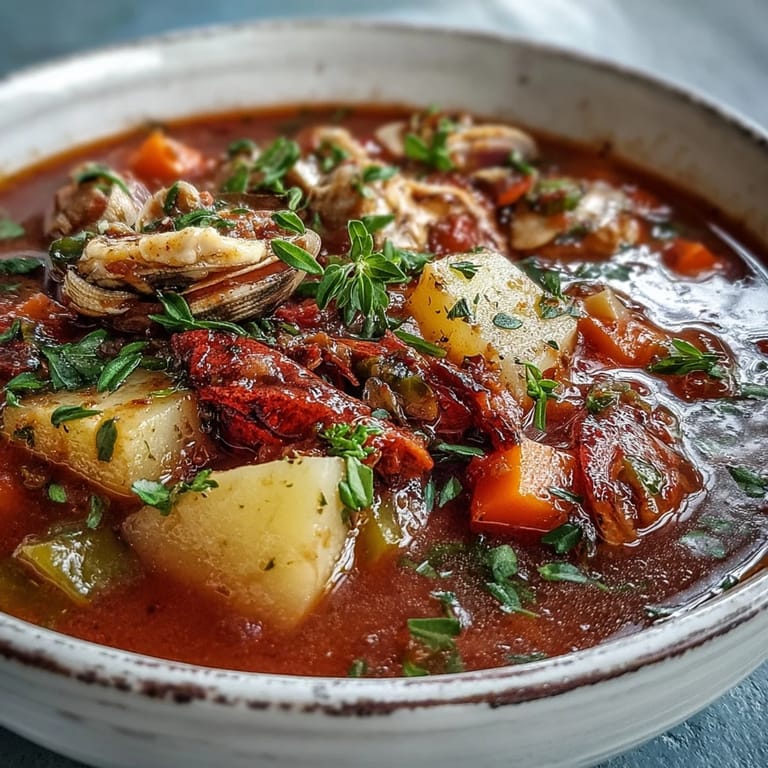
Save This chowder has become the soup I make when I want to feel capable in the kitchen without stressing, when I want to feed people something that tastes like it mattered. It's forgiving, honest, and tastes like something worth making again.
Recipe FAQ
- → What makes Manhattan clam chowder different from New England style?
Manhattan clam chowder features a tomato-based broth instead of the creamy, milk-based foundation found in New England versions. This creates a lighter, more vibrant soup with a reddish hue and zesty flavor profile that relies on the natural sweetness of tomatoes and vegetables rather than heavy cream.
- → Can I use canned clams instead of fresh?
Yes, canned chopped clams work beautifully in this preparation. Use three cups of canned clams, drained, and be sure to reserve the juice. You may need to supplement with bottled clam juice to reach the required three cups of liquid called for in the broth.
- → How should I store leftovers?
Allow the chowder to cool completely before transferring to an airtight container. It will keep refrigerated for up to three days. The flavors often improve overnight as they have more time to meld. Reheat gently over medium-low heat, stirring occasionally to prevent sticking.
- → What can I serve with Manhattan clam chowder?
Crusty sourdough bread, oyster crackers, or saltines are classic accompaniments that help soak up the flavorful broth. A simple green salad with vinaigrette provides a refreshing contrast to the hearty, warming chowder. For a complete meal, consider serving alongside grilled fish or shrimp.
- → Is this chowder suitable for freezing?
While you can freeze Manhattan clam chowder, the texture of the potatoes may become slightly grainy upon thawing. If planning to freeze, consider undercooking the potatoes slightly by 5 minutes. Freeze in airtight containers for up to three months. Thaw overnight in the refrigerator before reheating.
- → How can I make this chowder spicier?
Increase the crushed red pepper flakes to one full teaspoon for more noticeable heat. You can also add a diced jalapeño pepper along with the other vegetables, or serve with hot sauce on the table so diners can adjust the spice level to their preference.