 Save
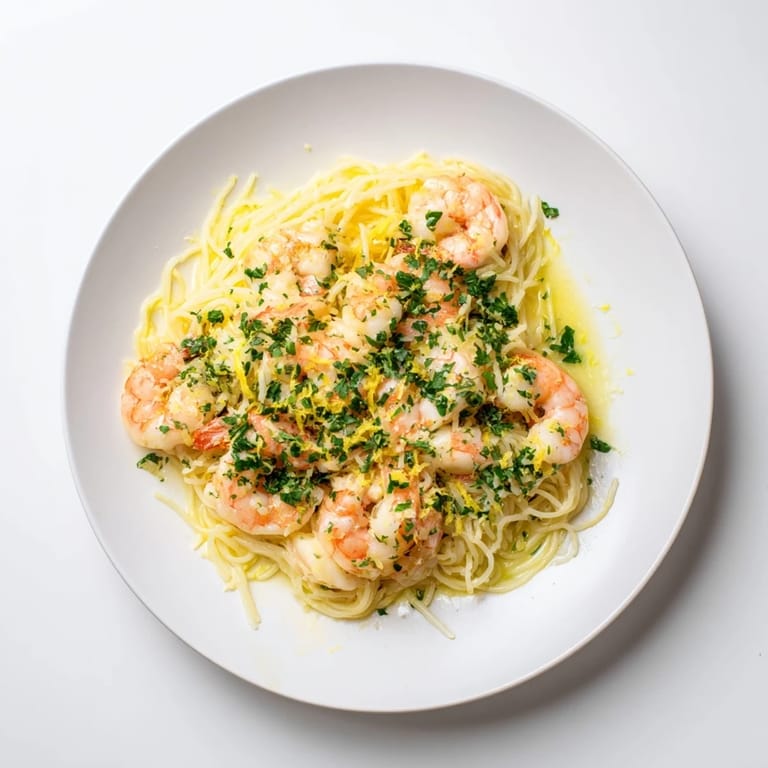
Save My roommate walked in right as I was squeezing lemon over the skillet, and the entire kitchen smelled like garlic and the sea. She asked what I was making, and I realized I didn't have a name for it yet—just shrimp, pasta, and whatever was in the fridge. That night, we ate it straight from the pan with forks, standing by the stove, and she declared it restaurant-quality. I've been making it ever since, usually on nights when I want something that feels indulgent but doesn't ask for much.
I made this for my parents on a Sunday evening after they'd spent the day helping me move furniture. My dad, who usually goes back for seconds of anything with carbs, finished his plate and sat back with a satisfied sigh. My mom asked if I'd added cream, surprised when I said no. The brightness from the lemon and the richness from the butter created something that felt complete without any heaviness. It became my go-to for evenings when I wanted to show care without spending hours in the kitchen.
Ingredients
- Large shrimp, peeled and deveined: Look for shrimp that smell like the ocean, not fishy—pat them very dry so they get a nice sear instead of steaming in their own moisture.
- Angel hair pasta: Its delicate strands soak up the lemony butter beautifully, but any long pasta works if you need to swap.
- Unsalted butter: Gives the sauce body and a silky mouthfeel—I always use unsalted so I can control the seasoning myself.
- Olive oil: Keeps the butter from burning and adds a fruity undertone that plays well with garlic.
- Garlic cloves, minced: Fresh garlic is non-negotiable here—the quick sauté releases sweetness and aroma that jarred versions can't match.
- Lemon zest and juice: Zest first, then juice—zest brings perfume, juice brings tang, and together they wake up every bite.
- Red pepper flakes: Optional but recommended—a small pinch adds warmth without making it spicy.
- Fresh parsley: Adds color and a clean, grassy note that balances the richness of butter and shrimp.
Tired of Takeout? 🥡
Get 10 meals you can make faster than delivery arrives. Seriously.
One email. No spam. Unsubscribe anytime.
Instructions
- Boil the pasta:
- Bring a large pot of salted water to a rolling boil and cook the angel hair until just al dente, usually about 3 to 4 minutes. Before draining, scoop out half a cup of the starchy pasta water—it's your secret weapon for a glossy sauce.
- Prep the shrimp:
- While the water heats, pat your shrimp completely dry with paper towels and season them lightly with salt and pepper. Dry shrimp sear beautifully instead of releasing moisture and turning rubbery.
- Sear the shrimp:
- Heat a large skillet over medium-high with a tablespoon each of olive oil and butter until shimmering. Lay the shrimp in a single layer and let them cook undisturbed for a minute or two per side until they turn pink and opaque, then transfer them to a plate.
- Build the sauce base:
- Lower the heat to medium and add the remaining oil and butter to the same skillet. Toss in the minced garlic and stir for about 30 seconds until it smells fragrant and sweet, not burnt.
- Add lemon and seasoning:
- Stir in the lemon zest, juice, red pepper flakes, salt, and pepper, scraping up any tasty browned bits stuck to the pan. Let it bubble gently for a moment to meld the flavors.
- Toss the pasta:
- Add the drained pasta directly into the skillet and toss with tongs to coat every strand. If the sauce feels tight, splash in a little reserved pasta water and toss again until it looks silky.
- Finish with shrimp:
- Return the shrimp to the skillet, toss everything gently to combine, and let it warm through for about a minute. Remove from heat, shower with fresh parsley, and serve with extra lemon wedges on the side.
 Save
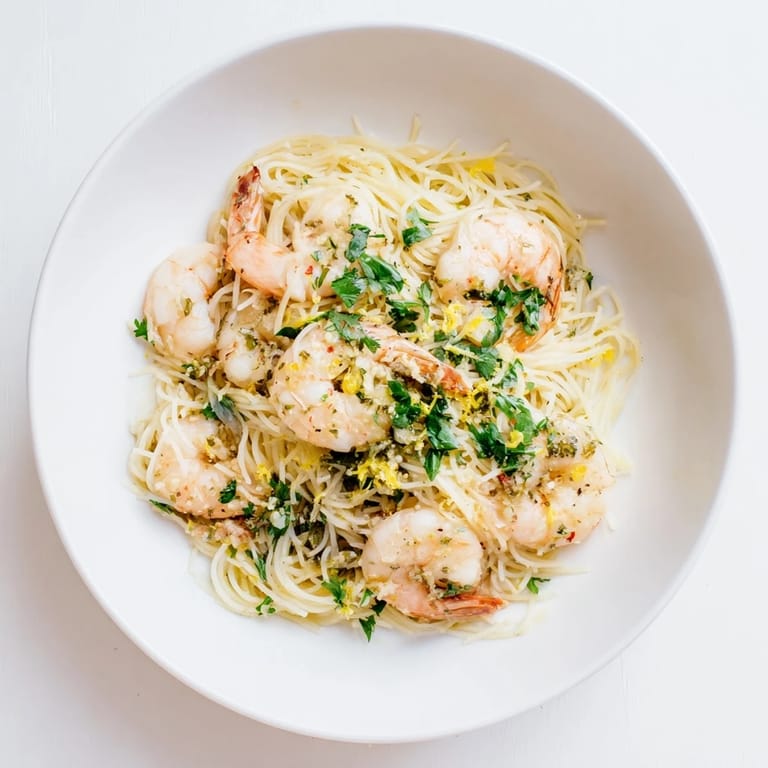
Save I served this to a friend who swore she didn't like shrimp because it always tasted rubbery. She took one bite, paused, then looked at me with genuine confusion and said it tasted nothing like what she remembered. I realized that night how much a quick sear and a bright sauce can transform something simple into something people remember. It wasn't about fancy techniques—just respect for timing and temperature.
Choosing Your Shrimp
Buy shrimp that's been peeled and deveined if you can—it saves time and keeps the recipe quick. I look for shrimp labeled 16 to 20 count per pound, which means each piece is plump and substantial without being too large to cook evenly. Frozen shrimp works beautifully as long as you thaw it in the fridge overnight or under cold running water, then pat it very dry. Fresh is lovely, but frozen is often fresher than what sits on ice at the counter, since shrimp are usually frozen right on the boat.
Making It Your Own
If you want a little more depth, deglaze the skillet with a splash of dry white wine after the garlic goes in—let it simmer down by half before adding lemon. I've also stirred in halved cherry tomatoes for bursts of sweetness, or tossed in baby spinach at the end for color and a bit of green. Sometimes I'll use linguine or spaghetti instead of angel hair, especially if I want the pasta to have more chew. The formula is forgiving, so follow your instincts and use what you have.
Storing and Reheating
This dish is best eaten fresh, but leftovers keep in an airtight container in the fridge for up to two days. Reheat gently in a skillet over low heat with a splash of water or broth to loosen the sauce—microwaving can make the shrimp tough. If you know you'll have leftovers, slightly undercook the shrimp the first time so they stay tender when reheated.
- Add a drizzle of olive oil when reheating to refresh the sauce.
- Squeeze fresh lemon over the top right before serving to bring back the brightness.
- Avoid reheating more than once—shrimp don't love being cooked repeatedly.
 Save
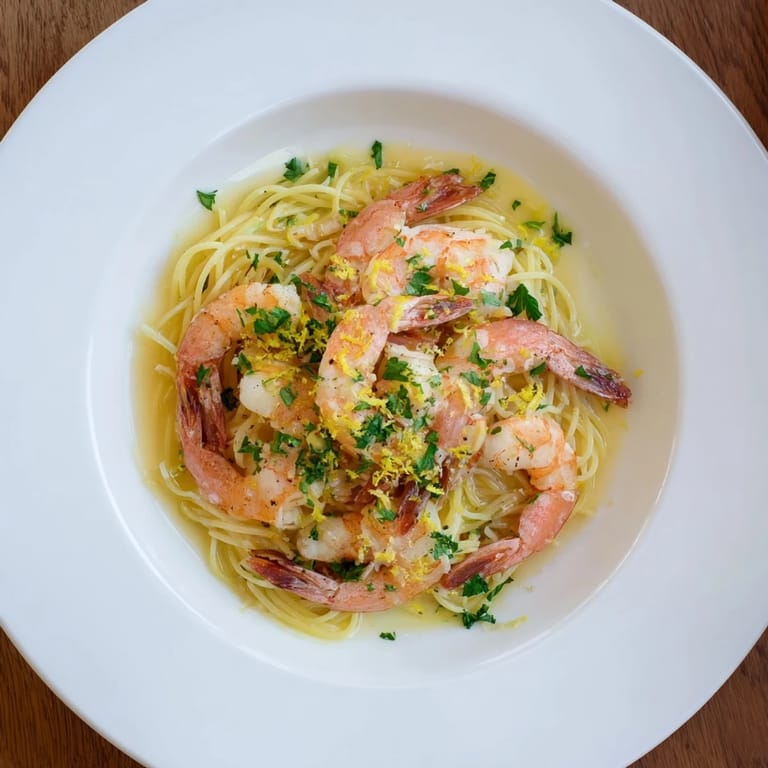
Save This recipe reminds me that weeknight dinners don't have to choose between fast and memorable. With a little lemon, butter, and good timing, you can make something that feels like a celebration without any fuss.
Recipe FAQ
- → Can I substitute the angel hair pasta with other types?
Yes, spaghetti or linguine work wonderfully. Adjust cooking time according to package instructions, but keep the pasta al dente for the best texture and sauce adherence.
- → How do I prevent the shrimp from becoming rubbery?
Cook shrimp only 1–2 minutes per side until it turns pink and opaque. Remove immediately from heat, as overcooking toughens the meat. You can briefly return it at the end just to warm through.
- → What's the purpose of reserving pasta water?
Pasta water contains starch that helps create a silky, cohesive sauce. A splash or two adjusts the consistency and helps the sauce coat the pasta evenly without becoming too dry.
- → Can I make this dairy-free?
Substitute butter with olive oil or dairy-free butter alternative. Use the same amount and follow the same technique. The dish will have a lighter, more herbaceous flavor profile.
- → How should I store leftovers?
Refrigerate in an airtight container for up to 2 days. Reheat gently in a skillet with a splash of water or broth. The texture is best enjoyed fresh, but leftovers work well for lunch the next day.
- → What wine pairs well with this dish?
A crisp white wine like Pinot Grigio or Sauvignon Blanc complements the lemon and shrimp beautifully. You can also add a splash of dry white wine to the sauce after sautéing garlic for deeper flavor.