Save
Save Last summer, I was standing in a Tokyo train station at midnight, exhausted from sightseeing, when I ducked into a tiny yakitori stand. The chef plated a small bowl of corn sautéed in butter that gleamed under the counter lights, and I remember thinking how something so simple could taste like pure comfort. One bite and I understood—it wasn't just corn, it was the way the garlic had surrendered to the heat, how the soy sauce clung to each kernel like it belonged there. I spent the next three hours pestering that chef between bites of chicken skewers until he sketched out the technique on a napkin. Now this is the dish I make when I want to remember how food can stop you in your tracks.
My partner brought home three ears of corn from the farmers market one Wednesday evening, and I made this for dinner without any real plan. He took one bite and went completely quiet, then asked if I'd learned some secret cooking technique I'd been hiding. I hadn't—it was just butter doing what butter does best, partnering with garlic and making everything else look good. We ended up eating it straight from the skillet while standing at the kitchen counter, not even bothering with plates.
Ingredients
- Fresh corn or frozen kernels: Four ears of fresh corn give you that sweet snap, but frozen kernels work beautifully too if you thaw them first and don't mind skipping the theater of cutting the cob.
- Unsalted butter: Two tablespoons is the anchor—salted butter will throw off the seasoning balance since soy sauce brings its own salt.
- Garlic: Two cloves minced fine, because garlic that stays in chunks will overpower everything else and that's not what we're after here.
- Soy sauce: One and a half tablespoons is the secret weapon that transforms butter-corn into something that tastes like it has a story.
- Black pepper: Half a teaspoon freshly ground, never pre-ground, because the flavor actually matters at this stage.
- Sea salt: Just a pinch if you're tasting and feel the dish needs a gentle nudge.
- Scallions and sesame seeds: Both optional but genuinely worth the fifteen seconds it takes to add them.
Tired of Takeout? 🥡
Get 10 meals you can make faster than delivery arrives. Seriously.
One email. No spam. Unsubscribe anytime.
Instructions
- Cut your corn:
- If using fresh ears, grip one vertically over a cutting board and slice the kernels down with a sharp knife, turning as you go. The cob will stay behind, and you'll have that beautiful pile of golden kernels ready to go.
- Melt the butter:
- Medium heat is your friend here—you want the butter to foam and smell nutty, not brown and smell angry. About one minute of patience and your skillet is ready.
- Bloom the garlic:
- Thirty seconds is all the garlic needs in hot butter before it releases everything it has to give you. Any longer and it turns bitter, which will ruin the whole mood.
- Cook the corn:
- Stir it around the pan for four to five minutes until some kernels start catching color at the edges and everything smells like something you'd crave. You want to actually cook the corn, not just warm it up.
- Add the soy sauce:
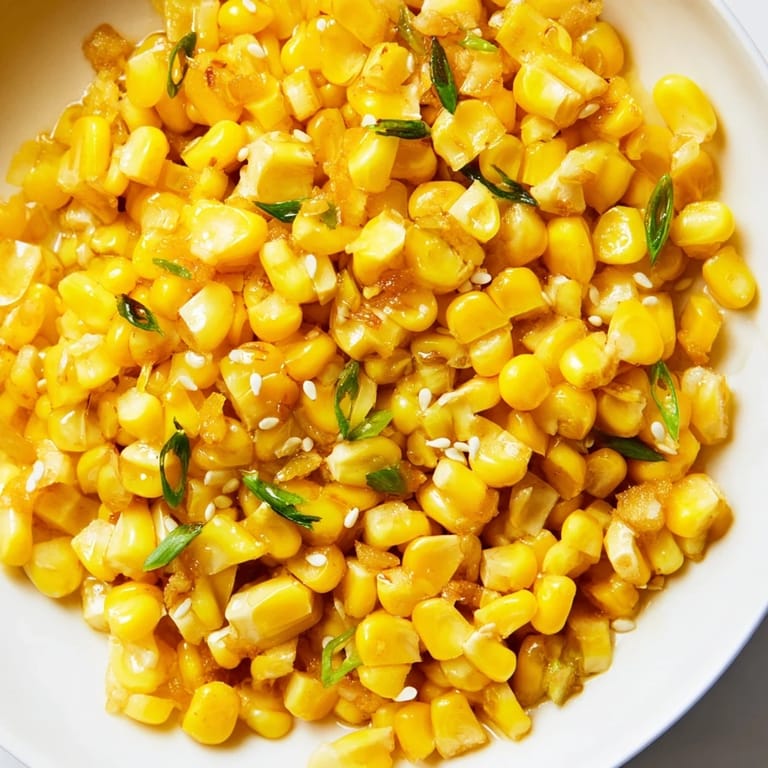
- Pour it in and watch it sizzle and cling to every kernel, coating them dark and glossy. Let it cook another minute or two until most of that liquid reduces and the butter takes back over.
- Season and serve:
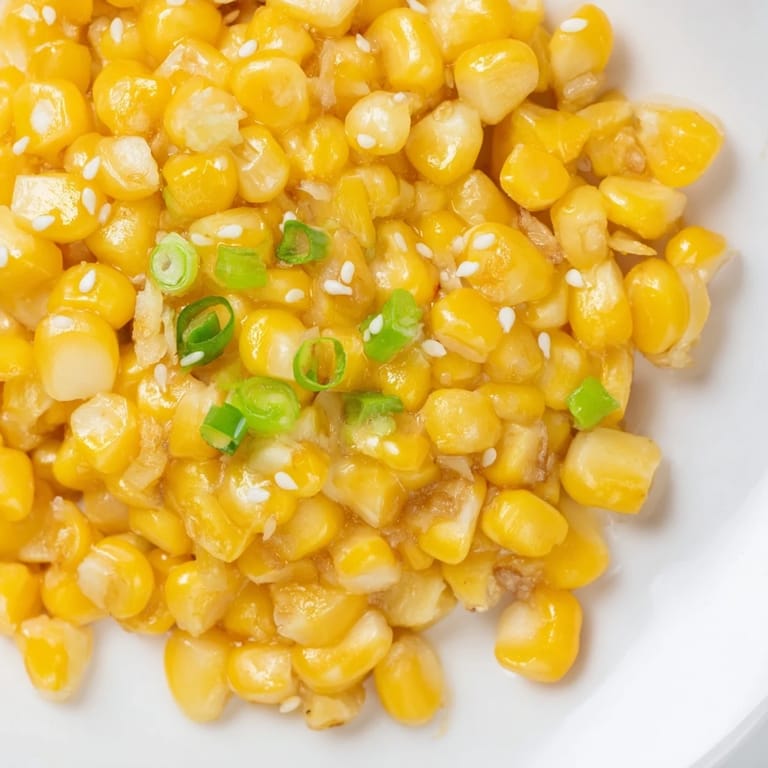
- Crack pepper over top, taste a kernel, and add just enough salt to make everything sing. Transfer to a bowl, scatter with scallions and sesame seeds if you have them, and serve while it's still warm enough to taste alive.
 Save
Save There's something about serving this at a dinner party that makes people pause. They'll take a bite and suddenly they're not just eating corn anymore—they're remembering it. I've watched grown adults close their eyes and say things like "this tastes like I'm traveling." That's when I know I've gotten it right.
The Butter-to-Soy Ratio
The magic of this dish lives in that balance—two tablespoons of butter to one and a half tablespoons of soy sauce. Too much soy and you're eating a salty side dish. Too little and you've lost the whole point of why soy is there in the first place. I learned this by making it wrong at least four times, and now I can taste it in my sleep. The butter carries the garlic, the soy carries the umami, and together they carry the corn straight to somewhere better.
When Frozen Corn Is Actually Better
I used to feel guilty using frozen corn, like I was cheating somehow. Then a chef friend pointed out that frozen corn is picked at peak ripeness and frozen within hours, while "fresh" corn has spent a week traveling and sitting around. Now I buy frozen without apology, especially in winter when the alternative is corn that tastes like cardboard wearing corn's costume. Thaw it properly, pat it dry if there's excess moisture, and it will perform beautifully.
The Mirin Question
The notes mentioned mirin, and honestly, a teaspoon of it adds a subtle sweetness that whispers rather than shouts. If you use it, reduce the soy sauce slightly to keep the balance honest. I've also experimented with a tiny drizzle of mayo mixed into the final product, which sounds strange until you taste it and realize you've just invented butter corn that tastes slightly decadent.
- Keep a small bottle of mirin in your pantry for moments when corn needs that gentle sweetness.
- Mayo seems weird but works especially well if you're serving this over hot rice.
- Sesame oil—just a teaspoon at the very end—is another variation worth trying when you're feeling adventurous.
 Save
Save This recipe is proof that restraint tastes better than complexity. Some dishes need seven ingredients and two hours to become something worth eating—this one just needs butter, corn, garlic, and the wisdom to stop fussing with it.