 Save
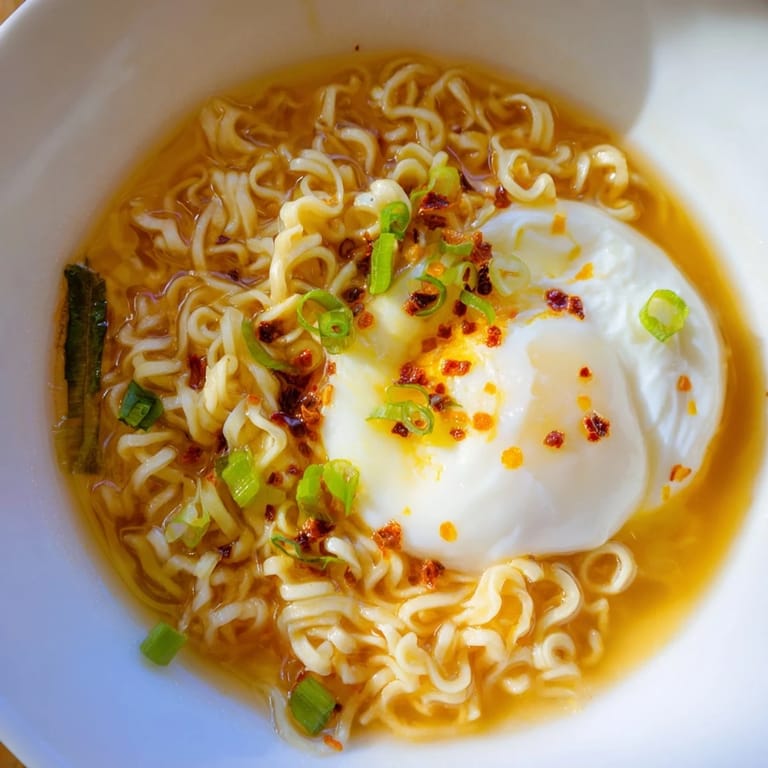
Save There's something magical about the moment when a simple package of instant ramen transforms into something that feels almost homemade. I discovered this trick on a Tuesday night when I had three ingredients in my kitchen and zero energy for anything elaborate—just noodles, an egg, and a stick of butter I'd been meaning to use. Ten minutes later, I was eating something so silky and satisfying that I've made it at least twice a week ever since. It's the kind of meal that reminds you that the best cooking happens when you stop overthinking and start listening to what tastes good.
I made this for my roommate during a particularly hectic week when she'd been surviving on sad desk lunches, and watching her face light up at that runny yolk breaking into the broth was worth every second. She's asked me to make it for her at least a dozen times since, which tells you everything about how craveable it becomes once you've had the real version.
Ingredients
- Instant Ramen Noodles (1 package): Use whatever flavor you love most—the seasoning packet does the heavy lifting, so don't feel locked into chicken or beef.
- Water (2 cups): This is your broth base, so if you have vegetable or chicken stock on hand, it's worth swapping in for even more depth.
- Ramen Seasoning Packet: This little packet is basically liquid gold; it's already perfectly balanced with salt and umami.
- Unsalted Butter (1 tablespoon): This is non-negotiable—it's what makes the broth silky and coats your tongue in the best way.
- Large Egg (1): The whole point of this recipe, honestly; make sure it's fresh because you'll taste it.
- Scallion (1, thinly sliced): It adds a sharp, fresh brightness that cuts through the richness and makes everything taste brighter.
- Chili Flakes or Chili Oil (optional): A pinch transforms this from cozy to exciting if that's what you're in the mood for.
- Soy Sauce (optional): A splash at the end deepens the savory notes if the broth needs more punch.
Tired of Takeout? 🥡
Get 10 meals you can make faster than delivery arrives. Seriously.
One email. No spam. Unsubscribe anytime.
Instructions
- Boil Your Water:
- Bring 2 cups of water to a rolling boil in a small saucepan—you want it hot enough that you hear it before you see it. This only takes about 3–4 minutes if your pan is decent.
- Add the Noodles:
- Drop in your ramen noodles and let them cook according to the package instructions, usually 2–3 minutes. Stir them once or twice so they don't clump together in the center.
- Lower the Heat:
- When the noodles are almost tender (still a tiny bit firm if you taste one), reduce the heat to low so the water is barely simmering. This is the secret—you need gentle heat for the egg to cook evenly.
- Slide in the Egg:
- Crack your egg directly into the simmering broth without stirring it around. The white will immediately start setting while the yolk stays soft and jammy in the middle, which is exactly what you want.
- Cover and Wait:
- Put a lid or even a plate on the saucepan and let it sit for 1–2 minutes; you're watching for the egg white to turn opaque while the yolk jiggles slightly when you nudge the pan.
- Add the Seasoning and Butter:
- Stir in the seasoning packet and butter until the butter melts and everything is glossy and combined. The heat from the broth melts the butter in seconds.
- Pour Into Your Bowl:
- Transfer everything—noodles, broth, and egg—into your favorite bowl. This is the moment it stops being instant ramen and becomes something you actually want to eat.
- Garnish and Taste:
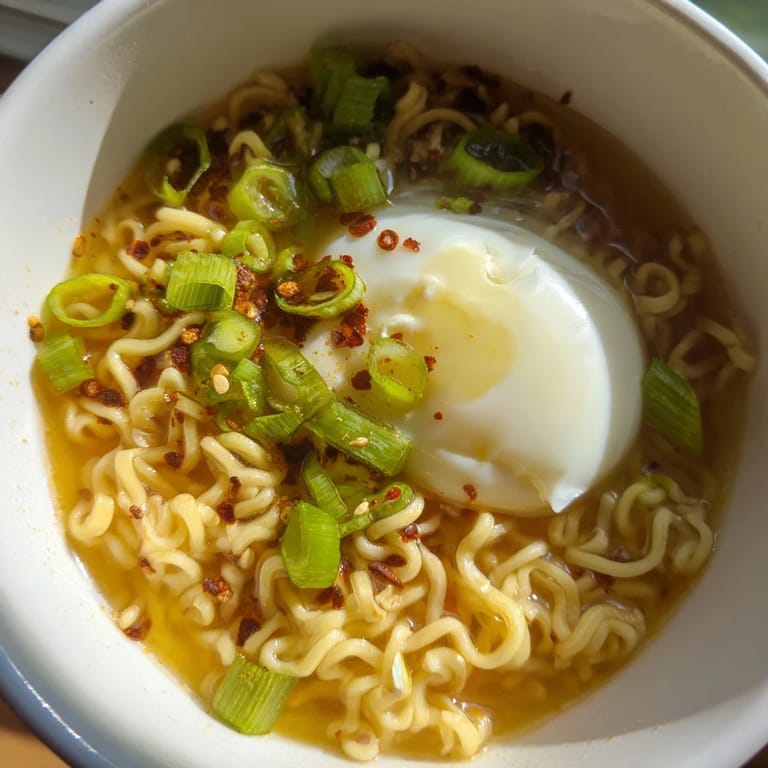
- Top with sliced scallions and add chili flakes or a splash of soy sauce if that's your style. Eat it right away while the egg is still warm and the noodles are at their best.
 Save
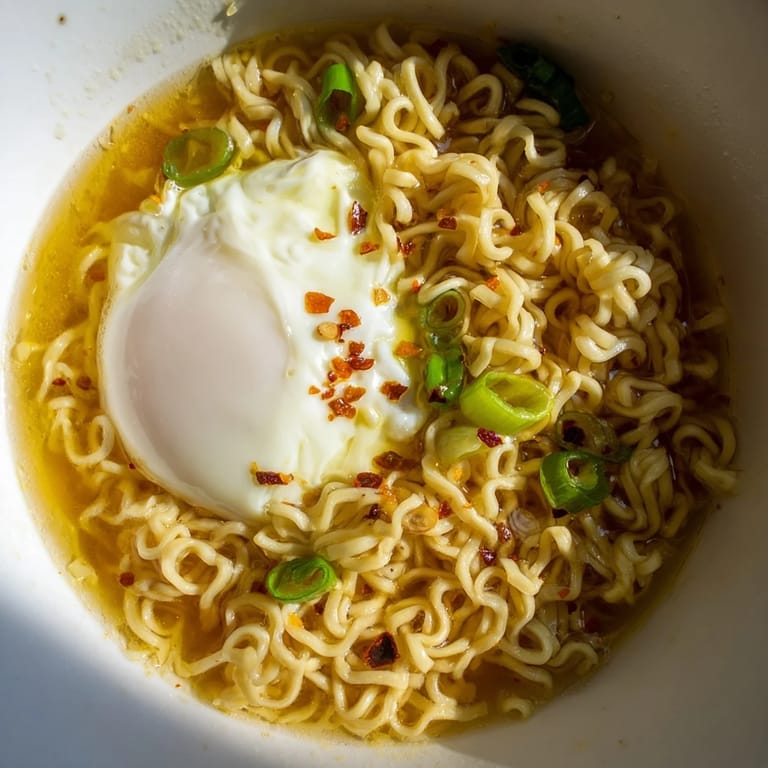
Save There was a night when I made this for myself after a long day of meetings and back-to-back calls, and I sat at my kitchen counter in complete silence except for the sound of slurping. That runny yolk breaking into the hot broth felt like a small act of kindness I was giving myself, which is how I know this recipe has moved beyond being just convenient—it's become restorative.
The Egg is Everything
The entire magic of this dish lives and dies with how you treat that egg. Too much heat and it becomes rubbery; too little and you're eating raw egg white, which isn't fun. The secret is that gentle simmer I keep mentioning—it's the difference between an egg that's been boiled and one that's been cooked with intention. Once you nail this, you'll start doing it in other broths too, like miso soup or gentle chicken broth.
Why This Works When Nothing Else Seems to
There's real wisdom in knowing that the most satisfying meals don't always require the longest ingredient lists or the fanciest techniques. This recipe proves that a soft egg, good butter, and heat applied with patience can make something feel genuinely homemade in the time it takes to watch a single episode of something. It's the kind of cooking that builds confidence because you can taste exactly what you did right.
Variations That Keep It Fresh
Once you've made this a few times, you'll start seeing endless possibilities hiding in your fridge. A handful of spinach stirred in at the end adds earthiness without changing the timing, a few sliced mushrooms bring umami that echoes the seasoning packet, and if you have sesame oil around, a drizzle at the very end makes everything taste more intentional. I've made it with frozen corn, fresh ginger sliced paper-thin, and even a splash of rice vinegar when I wanted something brighter.
- Add a handful of fresh spinach or other greens in the last minute of cooking for nutrition without fuss.
- A thin slice of fresh ginger or a drizzle of toasted sesame oil elevates this from comfort food to something that feels almost fancy.
- Keep chili oil on hand because that final heat and rich flavor changes everything depending on your mood.
 Save
Save This is the recipe I return to when I want something that tastes like care without requiring effort, and that's honestly the best kind of cooking there is. Serve it hot, eat it slowly if you can, and let yourself enjoy how something so simple can feel so good.
Recipe FAQ
- → How do I achieve a silky soft egg in the noodles?
Cook the egg directly in the simmering broth without stirring, cover, and let it cook for 1-2 minutes until the white is set but yolk remains soft.
- → Can I add vegetables to this dish?
Yes, adding spinach, corn, or mushrooms boosts nutrition and complements the flavors well.
- → What is the purpose of adding butter?
Butter melts into the broth, enriching its creaminess and balancing savory notes for a comforting texture.
- → Is it possible to adjust the spiciness?
Yes, adding chili flakes or a dash of chili oil easily introduces desired heat levels.
- → Can I use any brand of instant noodles?
This method works with any instant noodle brand, allowing flexibility according to your preference.