 Save
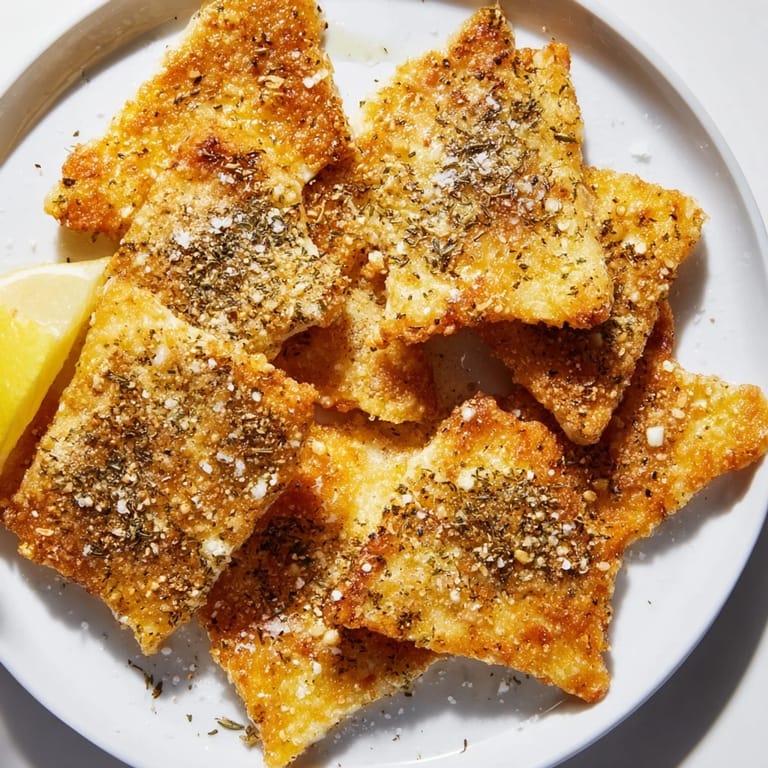
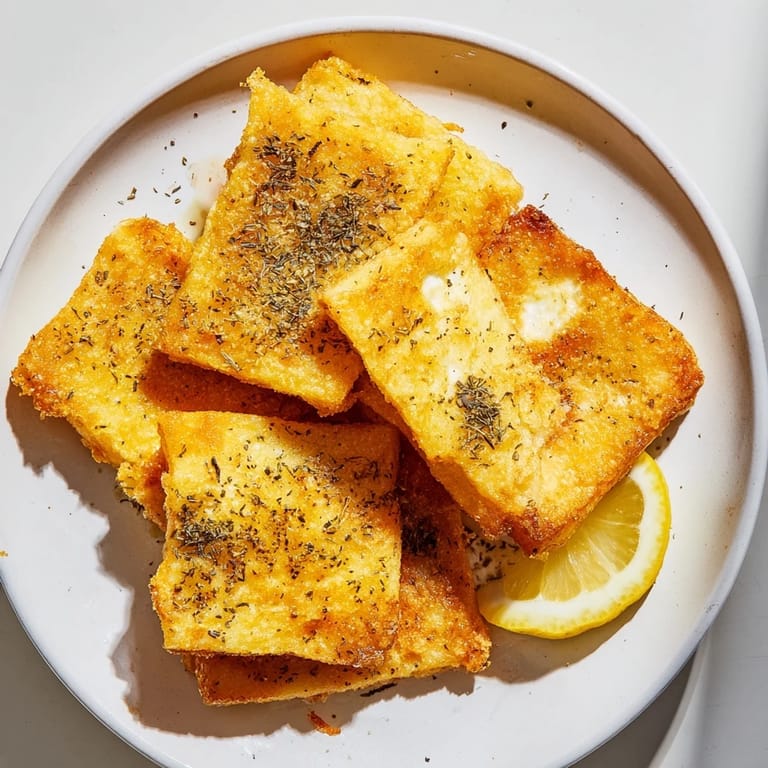
Save I was sitting at a tiny taverna in Athens when I first tasted saganaki, the cheese still crackling from the pan, a lemon wedge perched on the edge of the plate. The waiter grinned as I squeezed citrus over the golden crust and watched it sizzle. That first bite, salty and crisp on the outside, molten and rich inside, made me understand why Greeks shout "Opa!" when it arrives. I knew I had to learn how to make it at home. Now it takes me ten minutes and never fails to impress.
The first time I made saganaki for friends, I worried the cheese would stick or fall apart in the pan. Instead, it crisped up perfectly, and the kitchen filled with that irresistible salty, buttery aroma. Everyone gathered around the stove, unable to wait for it to reach the table. We ate it straight from the skillet with our fingers, laughing and reaching for lemon wedges. It became the dish people ask me to make every time they visit.
Ingredients
- Firm Greek cheese (kasseri, kefalotyri, or halloumi): The star of the dish, these cheeses hold their shape when fried and develop a beautiful golden crust while staying creamy inside. I love kasseri for its mild, buttery flavor, but halloumi is easier to find and works just as well.
- All-purpose flour: A light dusting creates that essential crispy coating without overpowering the cheese. You can swap in gluten-free flour without losing any texture.
- Olive oil: Use a good quality olive oil for frying, it adds a subtle fruity note that complements the cheese beautifully and keeps the crust from tasting greasy.
- Lemon wedges: The bright acidity cuts through the richness of the fried cheese and makes every bite feel lighter. Squeeze generously.
- Dried oregano and black pepper: These simple seasonings bring warmth and a hint of earthiness that ties the whole dish together.
Tired of Takeout? 🥡
Get 10 meals you can make faster than delivery arrives. Seriously.
One email. No spam. Unsubscribe anytime.
Instructions
- Dry the cheese:
- Use paper towels to pat each slice completely dry. Any moisture will cause the oil to splatter and prevent that perfect crisp crust from forming.
- Coat with flour:
- Dredge each piece lightly in flour, then shake off the excess so you have just a thin, even layer. Too much flour makes it gummy instead of crispy.
- Heat the oil:
- Warm the olive oil in a non-stick skillet over medium-high heat until it shimmers. If you drop a tiny pinch of flour in, it should sizzle immediately.
- Fry the cheese:
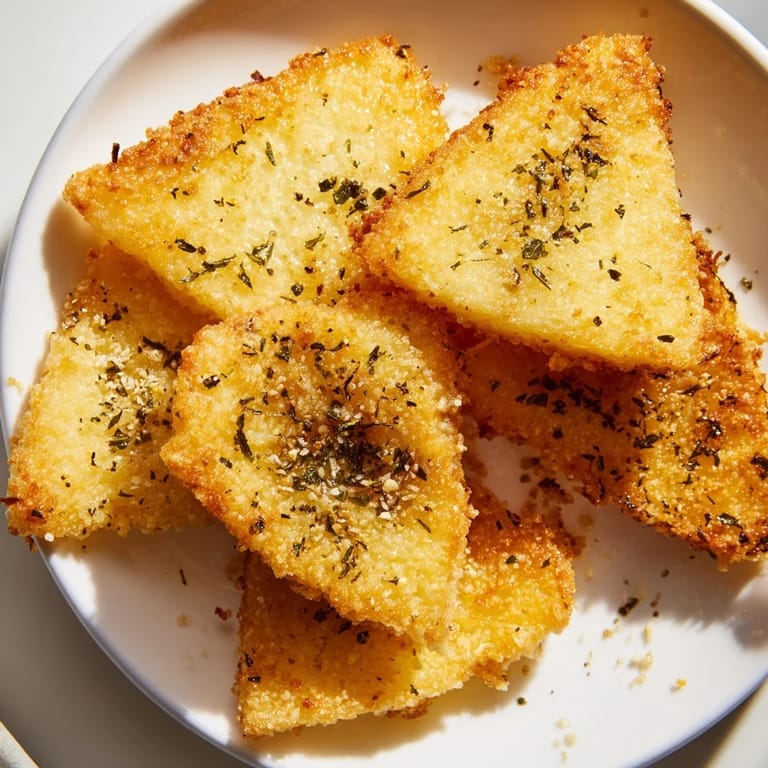
- Lay the slices in the pan without crowding and let them cook undisturbed for 1 to 2 minutes per side. You want a deep golden crust, not pale or burnt.
- Drain and serve:
- Transfer the fried cheese to paper towels for just a moment to blot any extra oil. Then move it to a warm plate, sprinkle with oregano and pepper, and serve while it is still hot and slightly molten inside.
 Save
Save One summer evening, I made saganaki on the balcony with a portable burner, the sun setting over the rooftops. My neighbor leaned over with a glass of cold white wine and said it smelled like vacation. We shared the cheese with bread and olives, and for a moment it felt like we had been transported to a Greek island. Food has a way of doing that, turning an ordinary night into something you remember.
Choosing the Right Cheese
Kasseri and kefalotyri are traditional choices with a firm texture and mild, slightly tangy flavor that fries beautifully. Halloumi is more widely available and has a higher melting point, making it almost foolproof for beginners. Graviera, a Greek gruyere-style cheese, adds a nutty richness if you can find it. Whatever you choose, make sure it is firm enough to slice thickly and hold its shape in the pan.
Serving Suggestions
I love serving saganaki as the opening act to a mezze spread, alongside olives, tzatziki, and warm pita. It also works wonderfully on its own with a simple green salad dressed in lemon and olive oil. For a heartier presentation, nestle the fried cheese on a bed of arugula and drizzle with honey for a sweet-salty contrast. A glass of chilled Assyrtiko or a light lager is the perfect companion.
Make It Your Own
Once you master the basic technique, saganaki becomes a canvas for creativity. Try adding a drizzle of honey and a sprinkle of sesame seeds right after frying for a sweet twist. A pinch of red pepper flakes brings gentle heat that plays beautifully with the lemon. Some people like to flambe it with a splash of ouzo or brandy for drama, though I prefer to keep it simple and let the cheese shine.
- Swap the oregano for fresh thyme or a few torn basil leaves for a different herbal note.
- Use the same method with thick slices of firm feta for a slightly crumblier, tangier version.
- Serve with fig jam on the side for dipping, the sweetness contrasts beautifully with the salty cheese.
 Save
Save Every time I make saganaki, I am reminded that the best dishes do not need to be complicated. Just good ingredients, a hot pan, and the confidence to let simplicity shine.
Recipe FAQ
- → What type of cheese is best for saganaki?
Firm Greek cheeses like kasseri, kefalotyri, halloumi, or graviera are ideal due to their texture and melting properties.
- → How do you prevent the cheese from melting too much during cooking?
Dry the cheese slices before coating lightly with flour and fry quickly over medium-high heat to maintain shape and achieve a crispy crust.
- → Can I use gluten-free flour for coating?
Yes, gluten-free flour works well and keeps the dish suitable for those avoiding gluten.
- → What is the purpose of lemon wedges served alongside?
Lemon adds a bright, tangy contrast that complements the rich, savory fried cheese.
- → What oil is suggested for frying saganaki?
Olive oil is recommended for its flavor and ability to achieve the perfect golden crust.
- → How long does it take to cook the cheese slices?
Each slice should be fried for about 1 to 2 minutes per side until golden and crisp.