 Save
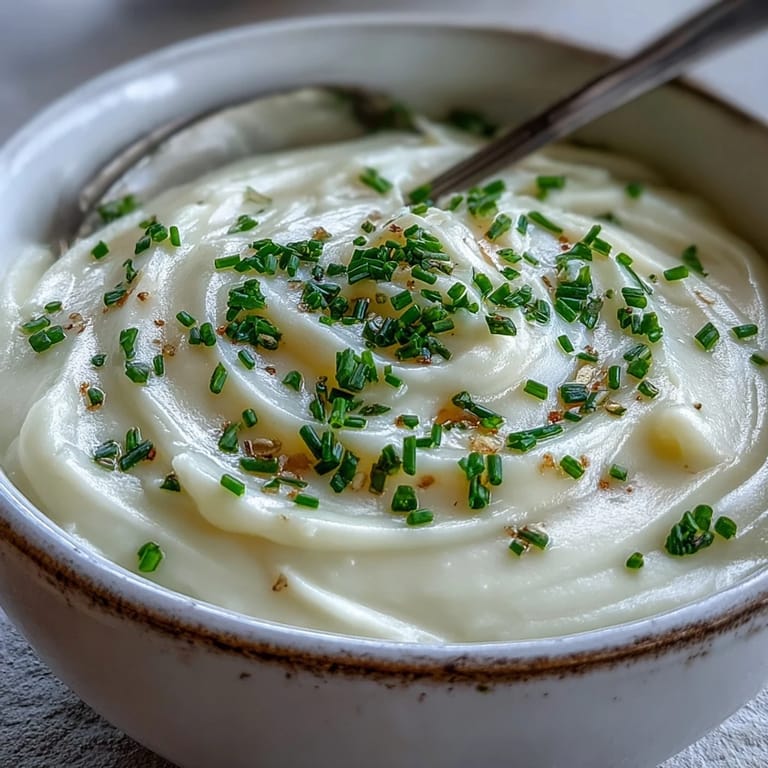
Save There's something about the smell of leeks hitting hot butter that makes you pause mid-conversation, fork suspended in air. My neighbor stopped by on a drizzly Tuesday with a bunch of leeks from her garden, and I realized I'd been making this soup wrong my entire life—overcooking the vegetables until they lost all personality. That afternoon taught me that potato leek soup isn't about force, it's about knowing when to stop, when to listen to what the vegetables are telling you through steam and softness.
I made this soup the evening my partner's brother came home from his first apartment search, exhausted and overwhelmed by lease agreements. We sat at the kitchen counter while it simmered, and somewhere between the second and third spoonful, he actually smiled—not the polite kind, but the real kind where shoulders drop and breathing slows down. That's when I understood that the best recipes aren't about technique, they're about creating quiet moments when someone needs them most.
Ingredients
- Leeks (3 medium, white and light green parts): These are milder than onions and develop a subtle sweetness when cooked gently—the secret is cleaning them thoroughly since grit hides between layers, and slicing lengthwise before chopping helps catch any hidden soil.
- Yukon Gold potatoes (3 medium): Their natural butter-like flavor and waxy texture break down into a creamy base without needing a blender alone, though blending makes them silk-smooth.
- Unsalted butter (2 tablespoons): Start with butter rather than oil for that deep, savory note that whispers rather than shouts.
- Yellow onion (1 medium, diced): It builds a flavor foundation with the leeks and mellows completely during cooking, adding sweetness rather than bite.
- Garlic (2 cloves, minced): One minute of cooking is enough—any longer and it turns bitter and defeats its own purpose.
- Vegetable broth (4 cups): Low-sodium gives you control over the final seasoning, and honestly, this is where quality matters because broth becomes the soul of the soup.
- Whole milk or heavy cream (1 cup): Heavy cream makes it luxurious and forgiving, while milk keeps it lighter and lets the vegetable flavors come through more clearly.
- Bay leaf (1): This sits quietly in the pot and lifts everything without announcing itself.
- Salt, pepper, and nutmeg: The nutmeg is optional but transforms the soup from good to memorable—just a whisper of it, like you're not quite sure where the warmth is coming from.
- Fresh chives or parsley (2 tablespoons, chopped): Green on top brings the whole thing back to life and reminds you it came from something living.
Tired of Takeout? 🥡
Get 10 meals you can make faster than delivery arrives. Seriously.
One email. No spam. Unsubscribe anytime.
Instructions
- Clean and prepare your leeks:
- Slice each leek lengthwise from root to greens, then chop into thin half-moons and soak them in cold water, stirring gently to release any hidden sand. This matters more than you think—one crunch of grit ruins the silky texture you're after.
- Start the flavor base:
- Melt butter over medium heat and add your leeks and onion together, stirring occasionally for about 7 minutes until they're soft and translucent but haven't picked up any color. Listen for them to release their moisture and start to smell sweet rather than raw.
- Wake up the garlic:
- Add minced garlic and cook for exactly one minute—you want fragrance, not browning. This brief moment transforms garlic from harsh to aromatic and friendly.
- Build the body:
- Stir in your diced potatoes, add the bay leaf, and pour in all the broth at once. Bring everything to a boil, then lower the heat to a steady simmer, cover it, and let it cook for 20 to 25 minutes until the potatoes fall apart when you press them with a wooden spoon.
- Blend into silkiness:
- Fish out the bay leaf first, then use an immersion blender to purée the soup right in the pot, moving it around until you get a smooth, creamy texture. If you prefer using a countertop blender, work in batches and be careful because hot soup splatters—fill the blender only halfway and hold the lid down with a towel.
- Finish gently:
- Pour in your milk or cream and warm everything through over low heat without letting it boil, which would separate the cream and make the soup grainy. Taste it now and adjust your salt, pepper, and add that pinch of nutmeg if you're using it.
- Serve and celebrate:
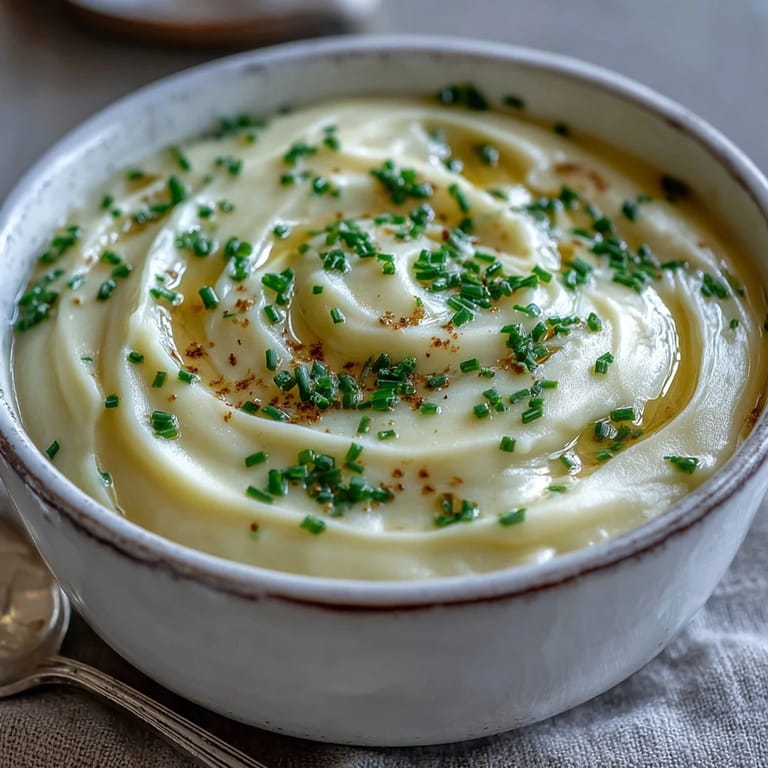
- Ladle it into bowls, sprinkle fresh chives or parsley on top, and drizzle with cream or olive oil if the mood strikes. This is the moment when cooking becomes eating and comfort becomes real.
 Save
Save Last winter, my colleague brought this soup to a potluck after major layoffs at the office, and watching people's faces soften as they tasted it—that's when I realized dishes carry more than nutrition. They carry permission to feel something quiet and good when everything else is loud and uncertain.
Why Yukon Gold Makes All the Difference
Yukon Gold potatoes have a natural buttery flavor and a waxy texture that breaks down into creaminess without falling apart into mealy granules the way starchy potatoes do. I tried this soup with Russets once when I forgot to check what I had on hand, and while it still worked, it needed more cream to achieve the same velvety feeling. Since then, I've learned that Yukon Golds let you control the richness level—you can use less cream and still get that luxurious mouthfeel because the potatoes themselves do half the work.
The Subtle Art of Seasoning
This soup has a way of tasting completely different depending on when and how you season it, which is why I always taste at every stage rather than adding everything at the beginning and hoping. The leeks and onions release salt as they cook, so what seemed unseasoned at the start often becomes perfectly balanced by the end. That pinch of nutmeg isn't meant to announce itself—it should make people pause and wonder what warm spice just brushed their palate, the culinary equivalent of a knowing glance.
Serving and Storage Wisdom
This soup actually tastes better the next day because flavors get quieter and more integrated, so if you have time, make it ahead and reheat it gently over low heat with a splash of broth. It freezes beautifully for up to three months, though you may need to add a bit more milk or cream when you defrost it since cream tends to separate after freezing. I've found that freezing it in individual containers means you can pull comfort out of the freezer on mornings when the world feels too heavy.
- Always reheat soup over low to medium heat and stir occasionally, never a rolling boil.
- Fresh herbs like chives lose their brightness when heated, so save them for the bowl just before eating.
- A swirl of good olive oil or a spoonful of crème fraîche on top transforms the whole experience from simple to intentional.
 Save
Save This soup has become my answer to what to make when someone needs nourishing rather than impressing. It's the kind of cooking that asks you to pay attention, taste as you go, and understand that simplicity actually takes more skill than complexity.
Recipe FAQ
- → What makes potato leek soup creamy without adding flour?
The natural starch from Yukon Gold potatoes breaks down during simmering, creating a velvety texture. As potatoes cook, they release starch that thickens the broth naturally, eliminating the need for flour or other thickeners.
- → How do I clean leeks properly?
Slice leeks lengthwise, then cut into half-moons. Place sliced leeks in a bowl of cold water and swish vigorously - the grit settles at the bottom. Lift leeks out carefully, leaving dirt behind. Repeat if necessary until water runs clear.
- → Can I make this soup ahead of time?
Absolutely - this actually tastes better the next day as flavors meld. Cool completely before refrigerating in airtight containers for up to 4 days. When reheating, add a splash of milk or broth since it thickens when chilled.
- → What's the best potato variety for smooth soup?
Yukon Gold potatoes are ideal - they have medium starch content and naturally creamy texture. Russets work well too but can become gluey if over-blended. Avoid waxy potatoes like red potatoes as they won't break down enough.
- → How can I add more protein to this soup?
Stir in shredded rotisserie chicken during the last few minutes of heating, or top with crispy pancetta bits. White beans puréed into the base also add protein and extra creaminess without altering the classic flavor profile.
- → Why is my soup too thick after refrigerating?
Potato starch continues to absorb liquid as the soup cools. Simply thin with warm broth, milk, or water when reheating. Start with small amounts and add gradually until you reach desired consistency.