 Save
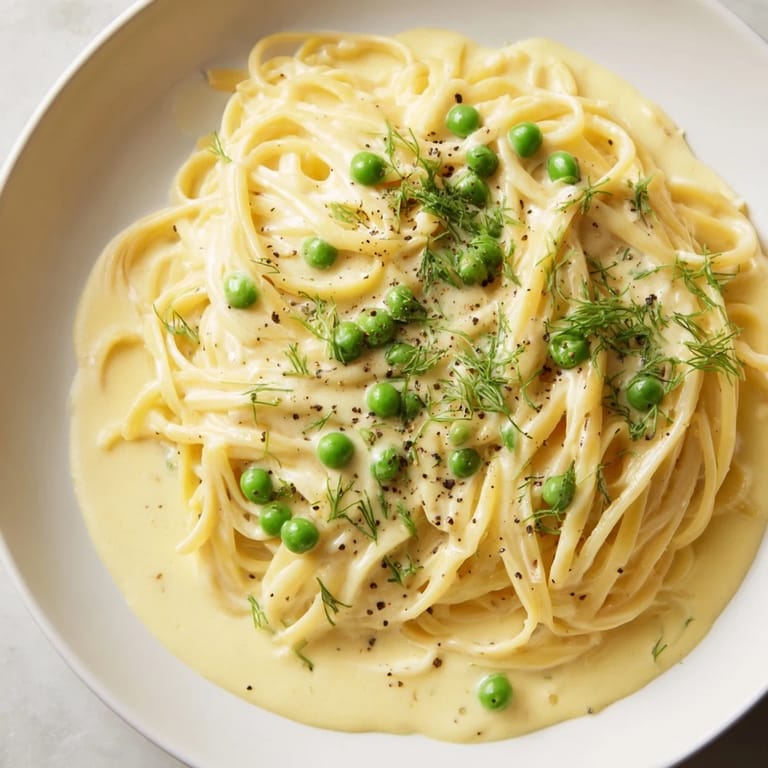
Save There's something about the smell of butter and lemon hitting a hot pan that makes you feel like you're cooking something special, even when you're just throwing together a weeknight dinner. I stumbled onto this dill pasta one afternoon when my garden was overflowing with fresh herbs and I had cream in the fridge that needed using. The combination of bright, citrusy dill with that velvety cream sauce felt like an accident that worked perfectly, and now it's become one of those dishes I make whenever I want something that tastes impressive but doesn't demand much from me.
I made this for my sister last spring when she was visiting and complaining about being tired of the same old pasta routines. Watching her take that first bite and then immediately ask for the recipe—before even finishing her fork—told me everything I needed to know. Now whenever she texts asking what I'm cooking, half the time it's this one, and she shows up at my door ready to eat.
Ingredients
- Pasta (350 g): Fettuccine, linguine, or penne all work beautifully here; pick whichever one you have or prefer for holding onto the sauce.
- Unsalted butter (2 tbsp): This is your flavor base, so don't skip it or swap it for oil—the butter carries the garlic and lemon in a way that makes the whole dish sing.
- Garlic (2 cloves, minced): Mincing it fine means it'll distribute evenly and cook down to sweet, mellow notes rather than sharp chunks.
- Lemon zest (from 1 lemon): This is where the dish gets its personality; the zest holds all the bright oil, so use a microplane if you have one and don't be shy with it.
- Heavy cream (200 ml): The backbone of your sauce; it needs to be real cream, not the shelf-stable kind, if you want that silky texture.
- Fresh lemon juice (2 tbsp): This balances the richness and keeps everything from feeling too heavy—taste as you go because lemons vary in strength.
- Dijon mustard (1 tsp): Just a touch; it adds a subtle tang that deepens the flavor without announcing itself.
- Salt and pepper: Season at the end when everything is mixed, because the pasta water and cheese will bring saltiness with them.
- Parmesan cheese (40 g, grated): Freshly grated tastes so much better than pre-grated; it melts smoothly into the cream without getting stringy.
- Fresh dill (3 tbsp chopped, plus extra for garnish): This is the heart of the dish, so use fresh dill and add it at the very end so it keeps its bright flavor and color.
- Peas (1 cup, optional): Fresh or frozen both work; they add sweetness and color and make the dish feel more complete.
- Smoked salmon (150 g, optional): Flake it gently over the top just before serving if you want a protein boost and that smoky edge.
Tired of Takeout? 🥡
Get 10 meals you can make faster than delivery arrives. Seriously.
One email. No spam. Unsubscribe anytime.
Instructions
- Get your water boiling and your ingredients ready:
- Fill a large pot with water, salt it generously (it should taste like the sea), and get it to a rolling boil before you add the pasta. While it heats, mince your garlic fine, zest your lemon, and chop your dill so everything is within arm's reach when you need it.
- Cook the pasta to al dente:
- Add your pasta and stir it once so nothing sticks together. Start checking it a minute or two before the package says it should be done; you want it tender but still with a little bite. When it's ready, scoop out about half a cup of pasta water before you drain it—that starchy water is liquid gold for loosening your sauce later.
- Build your sauce foundation:
- Melt the butter in a large skillet over medium heat, then add your minced garlic and lemon zest. Let it sizzle for about a minute until the kitchen smells incredible and the garlic turns golden at the edges. This is where you're infusing the butter with all that flavor.
- Bring the cream into play:
- Pour in your heavy cream along with the lemon juice and Dijon mustard, then turn the heat down to medium-low so it simmers gently without boiling. Let it bubble softly for a few minutes; you'll notice it starts to thicken slightly as the lemon juice does its work on the cream.
- Add the cheese and seasonings:
- Sprinkle in the Parmesan and stir constantly until it melts completely and the sauce turns smooth and glossy. Taste it now and add your salt and pepper gradually; remember that the pasta water and any optional additions will bring more seasoning with them.
- Bring the pasta and sauce together:
- Add your drained pasta to the skillet and toss everything together, loosening the sauce with splashes of reserved pasta water until it coats every strand silkily without pooling at the bottom. If you're adding peas, now's the time.
- Finish with dill and adjust:
- Stir in your chopped fresh dill and let it warm through for just a minute so it stays bright green. Taste one more time and adjust the lemon, salt, or pepper to your liking—this is your dish, so make it taste right to you.
 Save
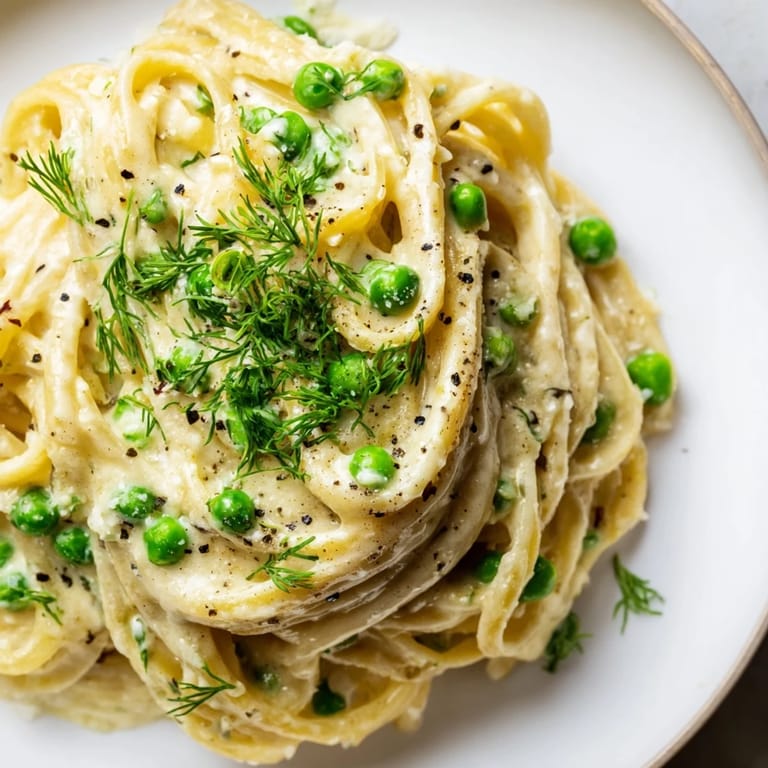
Save The first time someone tells you this tastes like something they'd order at a restaurant—that moment when a simple weeknight dinner becomes something that makes people feel cared for—that's when you know you've found a keeper. This dish does that almost every time.
How to Make It Your Own
This recipe is built to bend without breaking, so don't hesitate to add what you've got in your kitchen or what sounds good that day. I've made it with frozen spinach stirred in at the last minute, with roasted asparagus that was leftovers in my fridge, even with caramelized onions when I had time on a weekend. The sauce is forgiving enough to carry whatever vegetables you want to throw at it, and the dill and lemon keep everything tasting cohesive no matter what you add.
Pairing and Serving Ideas
This pasta wants a crisp white wine beside it—Sauvignon Blanc is traditional, but Pinot Grigio or even a dry Riesling works beautifully—because the acidity cuts through the cream and echoes the lemon in the dish. Serve it immediately on warm bowls so the sauce doesn't cool down and thicken; this dish is best eaten at that moment when the cream is still silky and the dill is still bright.
Storage and Make-Ahead Notes
This is really a dish meant to be eaten right away, so I don't recommend making it ahead and reheating—the sauce can separate and the dill will lose its color. That said, you can prep all your ingredients earlier in the day so you're just minutes away from dinner when you get home. If you do have leftovers, reheat them gently on the stovetop with a splash of cream or pasta water to bring the sauce back to life.
- The sauce can break if it gets too hot after the cream is added, so keep your heat at medium or medium-low throughout cooking.
- If you accidentally overcook the pasta, the starchy water will still help pull everything together, so don't worry too much.
- A zester or microplane makes such a difference with the lemon zest; a box grater works in a pinch, but you'll get more of the white pith that way.
 Save
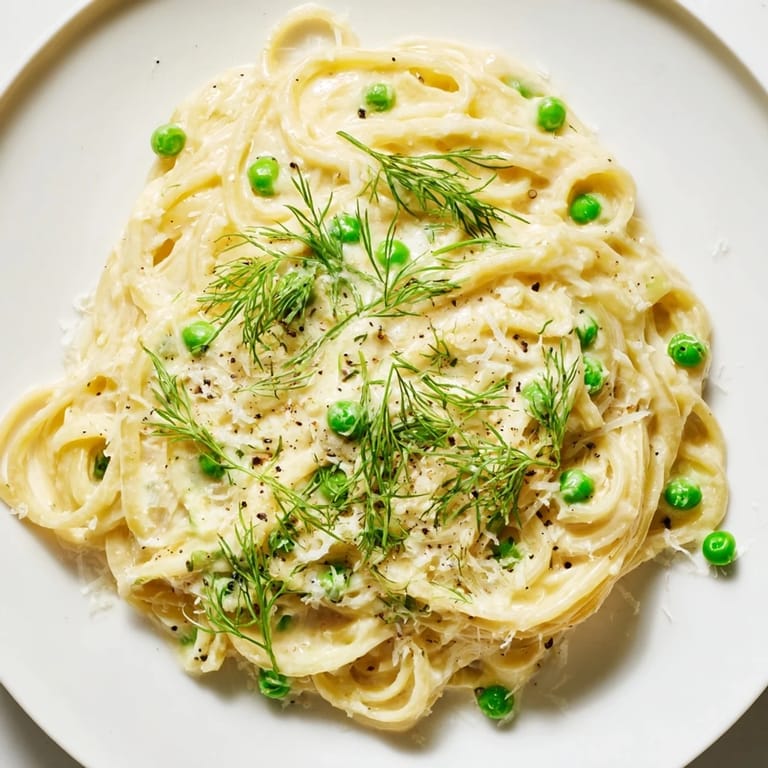
Save This pasta has quietly become one of my most-made dishes, the kind of thing I turn to when I want something special but don't want to spend my evening in the kitchen. I hope it becomes that for you too.
Recipe FAQ
- → What type of pasta works best?
Fettuccine, linguine, or penne hold the creamy sauce well while cooking to an al dente texture.
- → Can I substitute the heavy cream?
Yes, half-and-half or a lighter cream alternative can be used for a less rich sauce.
- → How is the fresh dill incorporated?
Chopped fresh dill is stirred into the sauce at the end, preserving its bright flavor and aroma.
- → Is it possible to add vegetables?
Adding peas, sautéed mushrooms, or asparagus complements the creamy sauce and adds texture.
- → What pairs well as a beverage?
A chilled glass of Sauvignon Blanc enhances the herbaceous and citrus notes in the dish.
- → How can I make it vegetarian-friendly?
Simply omit smoked salmon and use a vegetarian substitute for Parmesan if desired.