 Save
Save There's something about baking a cake for a milestone that makes your hands shake a little—at least mine did when my niece asked if I'd make her Communion cake. I'd decorated plenty of cakes before, but fondant felt like entering new territory, something that required patience and a steady hand. What I discovered while rolling out that smooth, pearl-dusted blanket of fondant was that this cake isn't just about the celebration; it's about the care you pour into every deliberate smoothing motion, every careful placement of edible pearls.
I'll never forget watching my niece's face light up when she saw the cake sitting on our dining room table—the pearl luster dust caught the afternoon light, and for a moment, she just stood there in silence. Later, after the party ended and we were cleaning up, her mom told me that she'd taken three photos of it before cutting a single slice, which somehow meant more to me than any compliment.
Ingredients
- All-purpose flour (3 cups): The backbone of your cake—measure it carefully or dip and level rather than scoop, which can pack it too densely and make your cake heavy.
- Baking powder (2½ tsp): This is what gives the cake its tender, airy crumb, so don't skip it or substitute it casually.
- Salt (½ tsp): A whisper of salt enhances the vanilla and rounds out the sweetness in ways your guests won't consciously notice but will absolutely taste.
- Granulated sugar (2 cups): The creaming method with butter depends on getting plenty of tiny air bubbles into this mixture, so don't rush this step.
- Unsalted butter (1 cup plus 1 cup for buttercream): Room temperature is non-negotiable here—cold butter won't cream properly, and melted butter defeats the purpose.
- Eggs (4 large, room temperature): Temperature matters more than you might think; cold eggs won't incorporate smoothly into the batter.
- Pure vanilla extract (1 tbsp plus 1 tsp): The real stuff makes a difference, especially in a cake this simple where vanilla is one of the star flavors.
- Whole milk (1¼ cups): The liquid that keeps this cake tender and prevents it from becoming dense or crumbly.
- Powdered sugar (4 cups, sifted): Sift it before measuring to remove lumps, or you'll have grainy buttercream that looks dull under the fondant.
- White ready-to-roll fondant (2 lbs): Quality matters here—cheap fondant can be sticky and difficult to work with, so invest in a brand you can trust.
- Pearl luster dust: This is the secret to making your cake look elegant; it catches light and adds dimension that plain fondant never could.
- Edible pearls or sugar pearls (optional): These add dimension and elegance, creating a focal point that makes the decoration feel intentional and festive.
- Light corn syrup (1 tbsp, optional): Just a tiny brush of this mixed with water gives fondant a professional, shiny finish.
Tired of Takeout? 🥡
Get 10 meals you can make faster than delivery arrives. Seriously.
One email. No spam. Unsubscribe anytime.
Instructions
- Set yourself up for success:
- Preheat your oven to 350°F and prepare a 12x18-inch sheet pan with grease and parchment paper—this prevents sticking and makes cleanup almost effortless. Have all your ingredients at room temperature and measured before you begin, because once you start creaming butter and sugar, momentum matters.
- Mix your dry ingredients:
- Whisk together flour, baking powder, and salt in a medium bowl, then set it aside—this ensures even distribution of leavening throughout your cake. The gentle whisking also aerates the flour slightly, which contributes to that tender crumb.
- Cream butter and sugar until it's fluffy clouds:
- In your mixer, beat softened butter and sugar together for about 3 minutes until the mixture is pale, light, and noticeably increased in volume. This step is where the magic begins—you're literally whipping tiny air bubbles into the mixture that will make your cake rise and stay moist.
- Incorporate eggs one at a time:
- Add each egg individually, beating well after each addition until fully combined before adding the next one. This gradual incorporation helps emulsify the mixture and prevents the batter from looking curdled or broken.
- Add vanilla and alternate wet and dry:
- Stir in vanilla, then add the flour mixture and milk in three additions, starting and ending with flour—this method prevents overmixing and keeps your cake tender. Mix only until you see no streaks of flour; overmixing develops gluten, which toughens the cake.
- Bake with patience:
- Pour the batter into your prepared pan and smooth the top gently, then bake for 30-35 minutes until a toothpick inserted in the center comes out clean or with just a few moist crumbs. The baking time depends on your oven's personality, so start checking around 30 minutes.
- Cool with intention:
- Let the cake rest in the pan for 10 minutes (this allows it to set slightly and prevents breakage), then turn it out onto a wire rack to cool completely. Completely cool means room temperature throughout—warm cake will melt your buttercream.
- Make silky buttercream:
- Beat softened butter until it's creamy, then gradually add sifted powdered sugar along with milk, vanilla, and a pinch of salt, beating until fluffy and smooth. The gradual addition of sugar prevents lumps and creates a lighter, fluffier frosting.
- Apply a thin, even base:
- Once your cake is completely cool, spread a thin layer of buttercream over the entire surface and sides using an offset spatula—this is your adhesive layer for the fondant. The thinner the layer, the smoother your fondant will look on top.
- Roll fondant like you mean it:
- On a surface lightly dusted with powdered sugar (not cornstarch, which can leave a gritty residue), roll your fondant out to about 1/8-inch thickness, rotating as you go to keep it even. If it springs back or resists, let it rest for a minute—fondant has a memory and will relax.
- Drape and smooth with confidence:
- Lift the fondant carefully and drape it over your cake, then smooth it gently with your hands or a fondant smoother, working from the center outward to avoid air bubbles. Move slowly and deliberately; rushing creates wrinkles and tears that are hard to fix.
- Trim and finish:
- Use a sharp knife to trim the excess fondant from the bottom edges, then lightly brush water where you want to adhere edible pearls. Dust the surface with pearl luster dust using a dry food-safe brush, which creates that shimmering, elegant finish.
- Add optional shine and decoration:
- If desired, lightly brush a mixture of corn syrup and water over the fondant for a professional glossy finish, then arrange edible pearls in a pattern that feels meaningful for the occasion. Let the cake set for 30 minutes before serving so the fondant fully firms up.
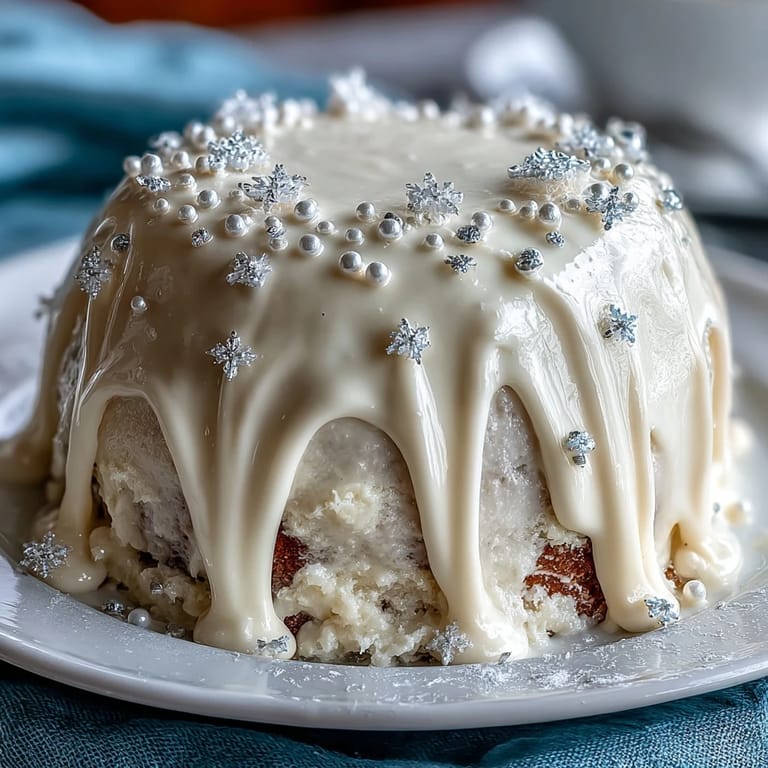 Save
Save What struck me most about making that Communion cake wasn't the technical skill required, but how the process slowed me down and made me present in a way that rushing through a regular Tuesday dessert never does. Creating something beautiful for someone you love changes how you move through the kitchen.
The Secret to Moist Cake
The genius of this recipe is the alternating method—adding flour and milk in three additions keeps the batter from becoming overworked and dry. I learned this the hard way years ago when I got impatient and dumped everything in at once, only to pull a dense, slightly tough cake from the oven that taught me humility. Now I use it as my measuring stick: if the batter looks silky and slightly thick after each addition, I'm doing it right.
Working with Fondant Without Fear
Fondant intimidates a lot of home bakers, but it's really just sugar dough that responds well to gentle handling and patience. The first time I worked with it, I expected it to be fragile, but I quickly discovered it's actually quite forgiving—small tears can be smoothed away with a damp finger, and most imperfections disappear under pearl dust anyway. The key is not to second-guess yourself while smoothing; confident, slow strokes create a much better finish than tentative poking and prodding.
Making It Your Own
This cake is a canvas waiting for your personal touches, whether that means swapping almond extract for half the vanilla to create something lighter and more delicate, or arranging your edible pearls in a pattern that holds special meaning. The buttercream underneath stays white and neutral, which means you could even tint your fondant in soft pastels if the occasion called for it, and the same decorating principles would apply beautifully.
- Consider baking the cake a full day ahead and wrapping it tightly—it actually improves in flavor and texture, and you'll have more time to focus on the decorating without rushing.
- If edible pearls feel too formal or you can't find them, fresh berries arranged on top of the pearl-dusted fondant create an equally stunning and slightly more garden-fresh look.
- A small bowl of fresh fruit coulis or berry compote served alongside each slice adds brightness and a pleasant contrast to the sweetness.
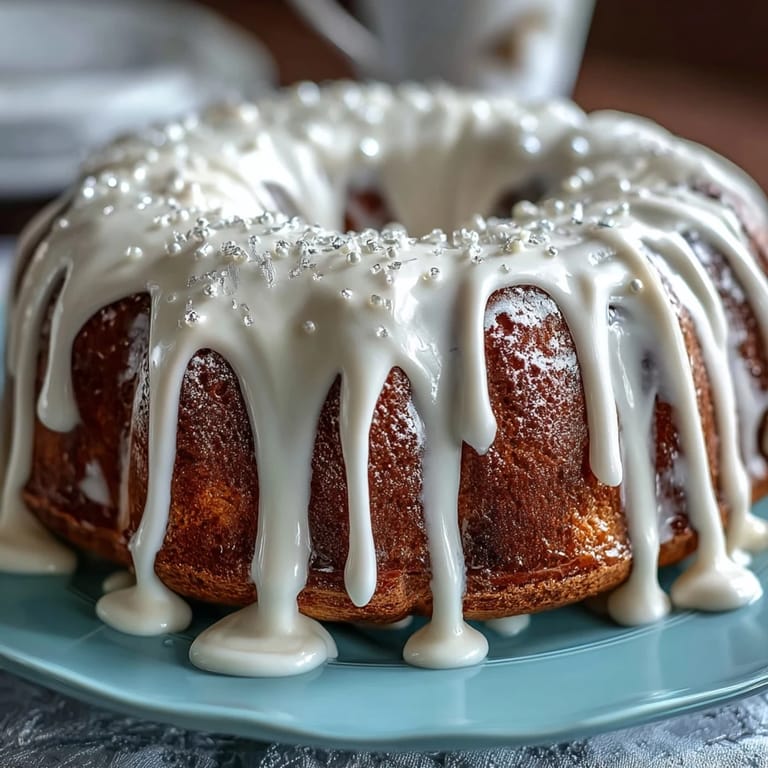 Save
Save This cake sits at the intersection of technically achievable and genuinely show-stopping, which is exactly what you want for a celebration. Make it with care, trust the process, and watch how something homemade and beautiful becomes a memory everyone will talk about for years.
Recipe FAQ
- → How do I ensure the cake stays moist?
Use room temperature ingredients and avoid overmixing the batter to maintain tenderness. Baking just until a toothpick comes out clean helps retain moisture.
- → What is the best method for applying the fondant?
Roll the fondant evenly on a surface dusted with powdered sugar, then carefully drape it over the cooled buttercream layer, smoothing gently to avoid air bubbles.
- → Can I substitute the vanilla extract?
Yes, almond extract can replace half of the vanilla for a lighter, nutty flavor without overpowering the cake's delicate profile.
- → How do I achieve a shiny finish on the fondant?
Lightly brushing a mixture of corn syrup and water over the fondant adds a subtle shine that complements the pearl luster dust and edible pearls.
- → What is the recommended serving size?
The sheet cake yields about 20 servings, making it suitable for medium-sized gatherings and celebrations.
- → Can this cake be prepared in advance?
Yes, bake the cake a day ahead and wrap it tightly before decorating. This allows flavors to develop and eases decorating on the day of the event.