 Save
Save The first time cardamom truly captivated me was watching my neighbor steep it in hot cream, the kitchen filling with this warm, almost mysterious spice that smelled like comfort and sophistication at once. She poured it into small glasses and disappeared into her kitchen for hours, emerging with these glossy, trembling custards topped with jewel-toned berries. I finally asked for her secret, and she laughed, handing me a panna cotta that tasted like silk infused with something indefinably elegant. That moment shifted how I thought about desserts—they didn't need to be fussy or complicated, just thoughtfully made. Now whenever I make this, I chase that same feeling she gave me.
I made this for my sister's birthday dinner when she was going through a rough stretch, and something about serving her something so deliberately luxurious—something that required actual planning and couldn't be rushed—felt like the best apology I could offer without words. She took one spoonful and her whole face softened, and we sat there eating panna cotta and talking about nothing important until the berries were gone. That's when I realized this dessert isn't really about flavor at all; it's about showing someone they're worth four hours of your kitchen time.
Ingredients
- Heavy cream (2 cups): This is where all the magic lives—use the best quality you can find, because you'll taste every difference, and the fat content is what gives panna cotta its signature silky wobble.
- Whole milk (1/2 cup): Balances the richness so the custard stays elegant rather than heavy, and keeps your gelatin ratio from getting temperamental.
- Granulated sugar (1/2 cup): Dissolves cleanly into hot cream without grittiness, and the amount is calibrated so cardamom shines without being masked.
- Ground cardamom (1 1/2 teaspoons): If you can find whole pods and crush them yourself, do it—the flavor is noticeably fresher, though ground works beautifully too and saves you a straining step.
- Vanilla extract (1 teaspoon): A quiet backbone that makes the cardamom taste like itself rather than just weird spice.
- Unflavored powdered gelatin (2 1/4 teaspoons): The structure that lets panna cotta be what it is—bloom it in cold water or it'll seize up and ruin everything, which I learned the hard way.
- Cold water (3 tablespoons): For blooming gelatin; use tap temperature and nothing warmer or you'll activate the gelatin too early.
- Mixed berries (1 cup): Fresh or frozen both work perfectly, and the tartness cuts through the cream's richness like it was designed specifically for this.
- Granulated sugar for compote (2 tablespoons): Draws out berry juice and creates a light syrup as they cook down.
- Lemon juice (1 teaspoon): Brightens the compote and prevents it from tasting cloying or one-dimensional.
Tired of Takeout? 🥡
Get 10 meals you can make faster than delivery arrives. Seriously.
One email. No spam. Unsubscribe anytime.
Instructions
- Prepare the gelatin:
- Sprinkle the gelatin over cold water in a small bowl and let it sit untouched for five minutes—this is blooming, and it matters because it lets the gelatin absorb water evenly so you don't get lumps when you add heat. You'll see it look slightly plump and spongy when it's ready.
- Warm the cream base:
- Combine heavy cream, milk, sugar, and cardamom in a saucepan and place it over medium heat, stirring occasionally until the sugar dissolves completely and you see wisps of steam but no bubbles breaking the surface. The moment you smell that rich, warm cardamom scent intensifying is when you know you're close to done—pull it off heat just before it simmers.
- Strain and flavor:
- If you used whole cardamom pods, pour the mixture through a fine mesh strainer into a bowl, pressing gently on the pods to extract their flavor before discarding them. Stir in vanilla extract and let the mixture cool for a minute so you don't scramble the gelatin.
- Incorporate the gelatin:
- Add the bloomed gelatin to the hot cream and whisk steadily for about a minute until it dissolves completely and the mixture looks glossy and smooth with no grainy bits. This step feels almost magical—watching the gelatin just vanish into the cream.
- Set the panna cotta:
- Pour the mixture evenly into four ramekins or glasses, filling each to roughly three-quarters full so there's room for the compote later. Let them cool to room temperature on your counter, then cover loosely with plastic wrap and slide them into the refrigerator for at least four hours, though overnight is even better.
- Make the berry compote:
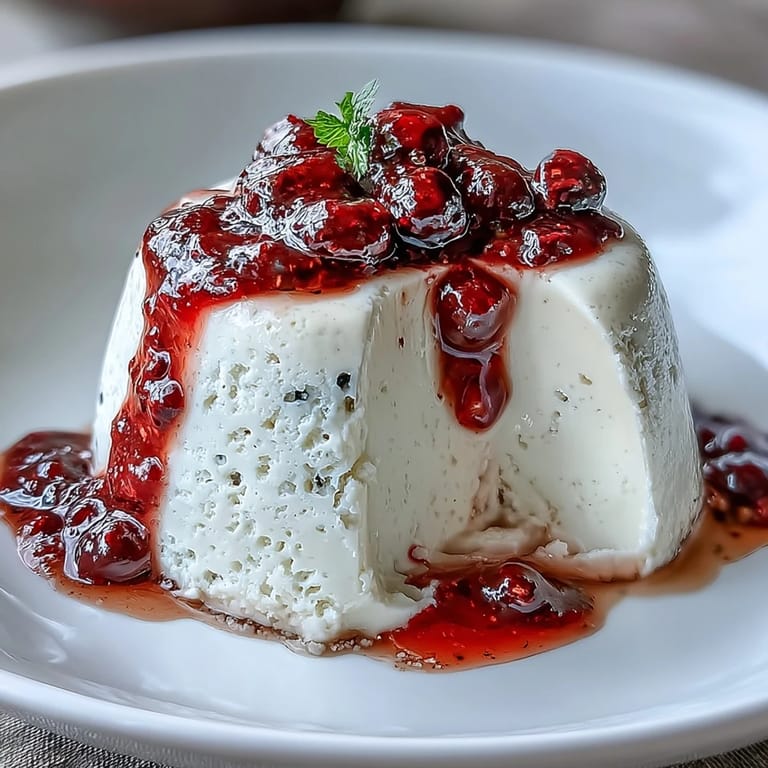
- While the panna cotta chills, combine berries, sugar, and lemon juice in a small saucepan and place it over medium heat, stirring gently every minute or so. After about five to seven minutes, the berries will burst and soften into a loose sauce that's still a little jammy—let it cool completely before using so it doesn't melt your custard.
- Finish and serve:
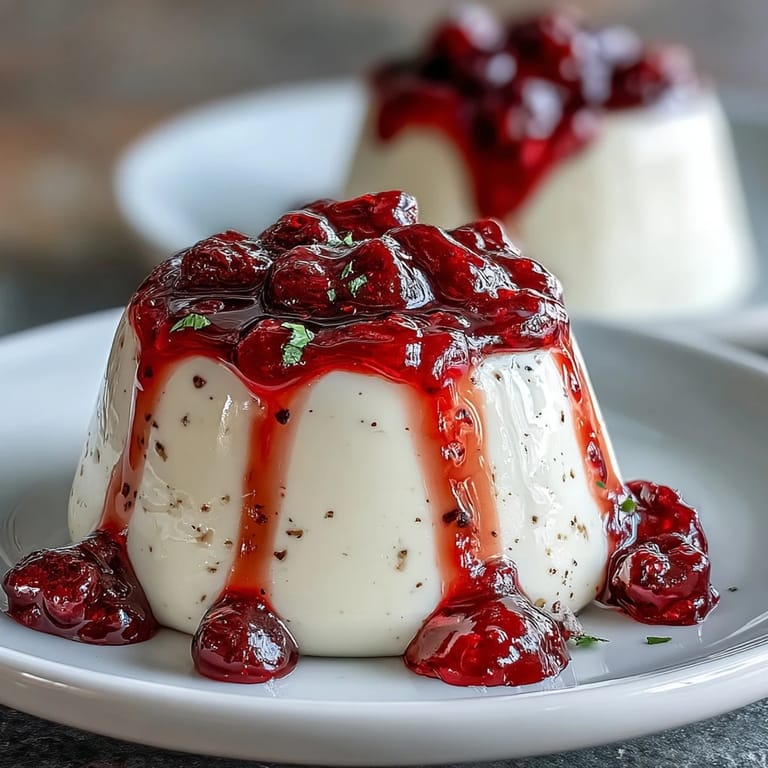
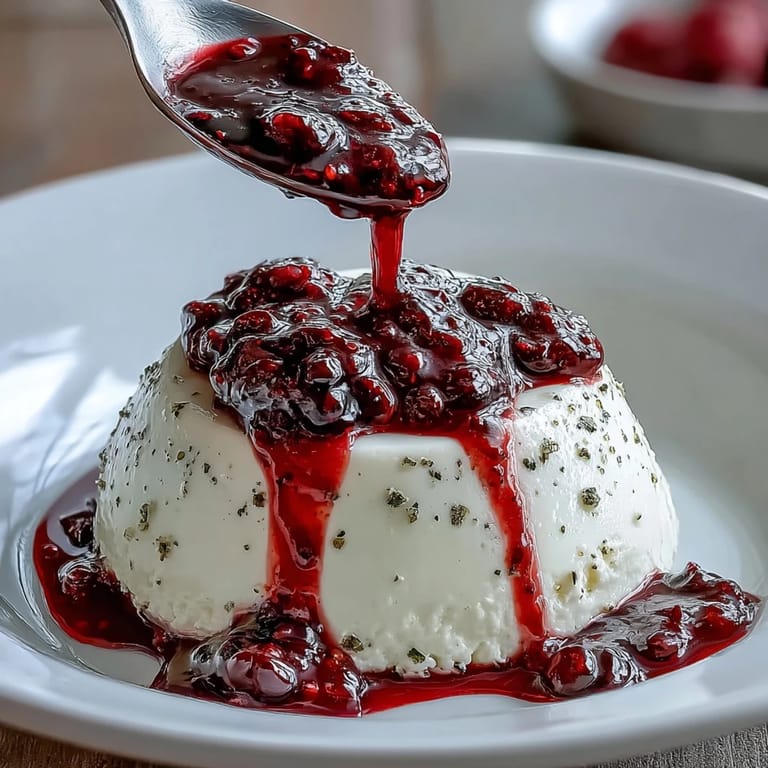
- If you made the panna cotta in ramekins, run a thin knife around the edge and invert each onto a plate with a gentle wiggle; if you used glasses, just spoon the compote over the top. The contrast of the cool, creamy custard with the warm brightness of the berries is exactly where this dessert becomes unforgettable.
 Save
Save A friend once told me that in Italy, panna cotta is served at fancy dinners not because it's difficult, but because it represents restraint—the idea that sometimes the most elegant thing you can do is make something simple so perfectly that people sit back and wonder what just happened. I think about that every time I unmold one and watch it shimmer under the light.
Why Cardamom Changes Everything
Cardamom is one of those spices that seems intimidating until you taste what it does to cream—it doesn't make things taste spiced so much as it makes the creaminess taste bigger, richer, like you've somehow unlocked a flavor that was always supposed to be there. When I first made panna cotta without it, I served both versions side by side, and everyone reached for the cardamom one without hesitation, not because they could identify the spice but because something about it felt more complete. It's the difference between a white dress and a white dress with the right jewelry.
The Compote as Counterpoint
The berry compote isn't just decoration—it's essential balance, cutting through the cream's richness with tart sweetness and creating texture contrast that keeps each spoonful interesting instead of samey. I learned this when I once served plain panna cotta and the richness became almost cloying by the third or fourth bite, whereas with the compote, people actually finish the whole thing and ask for more. The berries cook down just enough to lose their raw edge while keeping their brightness, which is a surprisingly specific window that's easy to overshoot by a minute or two.
Timing and Temperature Tricks
This is a dessert that rewards patience over speed, and once you understand why, everything clicks into place—the slow refrigerator set creates a different molecular structure than a fast chill, and somehow that matters for texture in ways that seem almost invisible until you taste it. Room temperature cream prevents thermal shock to the gelatin, and cold water for blooming ensures even hydration instead of clumpy activation. Even the timing of when you add vanilla (after you remove from heat but before the gelatin) changes how the flavor lands on your palate.
- Never let the cream mixture actually boil, or the heat can affect the cream's protein structure and create a grainy texture that no amount of whisking will fix.
- If your panna cotta doesn't set fully after four hours, you can give it two more hours, but if it's still soft after that, your gelatin may have been old or your cream too acidic—learn your variables.
- The compote can be made a day ahead and kept in the refrigerator, which actually improves the flavor because the berry juice has time to concentrate and deepen.
 Save
Save This dessert taught me that sometimes the most impressive things we make are the simplest ones, executed with care and intention rather than complexity. Make this for someone you want to impress, and you'll understand why my neighbor's panna cotta changed my mind about what dessert could be.
Recipe FAQ
- → How do I ensure the custard sets properly?
Bloom gelatin in cold water first, then fully dissolve it into the warm cream mixture without boiling to ensure smooth setting.
- → Can I use whole cardamom pods instead of ground?
Yes, lightly crush pods and strain the mixture after heating to infuse flavor without texture.
- → What berries work best for the compote?
Fresh or frozen strawberries, raspberries, blueberries, and blackberries all blend well for a balanced, vibrant compote.
- → How long should the custard chill before serving?
Refrigerate for at least 4 hours to allow the custard to fully set and achieve a silky texture.
- → Are there dairy-free alternatives for this dessert?
Yes, coconut cream and agar-agar can replace dairy and gelatin for a vegan-friendly version.