 Save
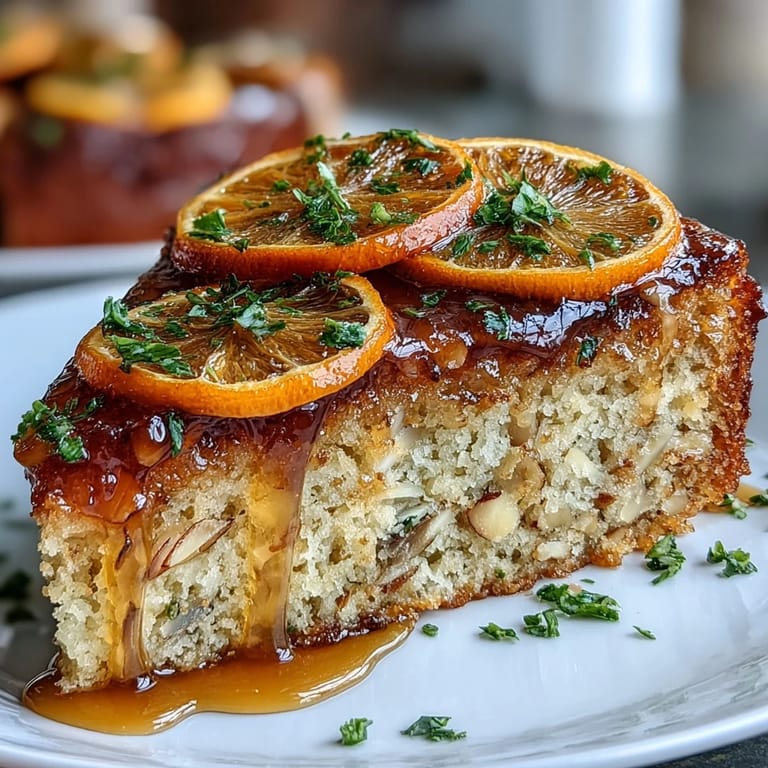
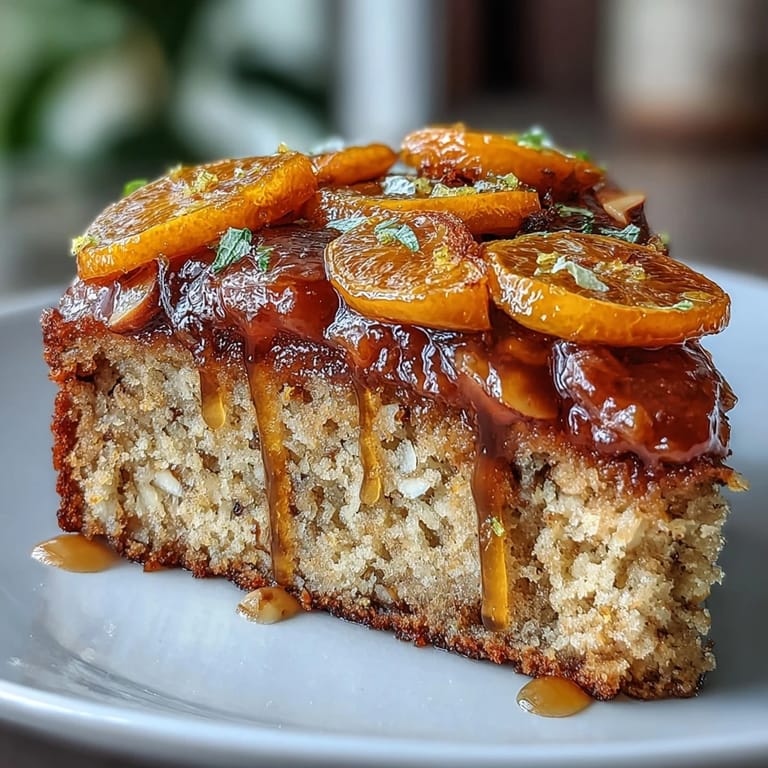
Save There's a particular Sunday afternoon I can't forget—my kitchen smelled like caramelizing sugar and citrus while my neighbor peered over the fence, curious about what could possibly smell that good. I was testing this candied orange almond cake for the first time, nervous about whether ground almonds would hold up without any flour at all. When that cake inverted onto the plate and revealed those jewel-toned orange slices perfectly arranged on top, I knew I'd found something special. It wasn't just the flavor that won me over; it was how the cake stayed impossibly moist, how the candied citrus brought brightness to every bite, and how it felt fancy enough for company yet simple enough for a weekday craving.
I made this for my sister's book club last spring, and what I didn't expect was how everyone would linger over dessert, debating whether the orange or the almond was the real star. Someone asked if I'd used buttermilk or yogurt because it was so moist, and I loved being able to say it was just eggs, oil, and magic. That afternoon taught me that food connecting people matters more than checking off technique boxes.
Ingredients
- Candied Oranges (2 medium, thinly sliced): Use a mandoline if you have one—uniform slices candy more evenly and look more polished on the cake's surface.
- Granulated Sugar (1 cup total for candy): The syrup this creates becomes a glossy brush for the finished cake, so don't skip reserving it.
- Water (1 cup for candy): Just enough to gently poach the orange slices until they're translucent and the pith softens.
- Almond Flour (2 cups, finely ground): Buy the finest grind you can find—it makes the texture tender rather than gritty, and this ingredient does all the structural work your cake needs.
- Granulated Sugar (1 cup for cake): Whisking this with eggs is what creates lift; don't skip the pale, thickened stage or your cake will be dense.
- Large Eggs (4): Room temperature eggs whisk into a more voluminous foam, which helps the cake rise without baking powder doing all the work.
- Extra Virgin Olive Oil or Melted Unsalted Butter (1/2 cup): Olive oil keeps this dairy-free and adds a subtle richness; melted butter works too if you want a richer crumb.
- Vanilla Extract (1 tsp): This small amount balances the citrus and prevents the cake from tasting one-dimensional.
- Orange Zest (from 1 orange): Zest before you slice your oranges for the candy; this is where the real citrus punch hides.
- Salt (1/2 tsp): Essential for rounding out sweetness and making all the flavors pop without tasting salty.
- Baking Powder, Gluten-Free (1 tsp): Make sure it's certified gluten-free and not aluminum-based if you're sensitive; it provides gentle lift without heaviness.
- Sliced Almonds (2 tbsp, optional garnish): Toast these lightly for a nuttier flavor, or leave raw if you prefer delicate texture.
- Powdered Sugar (for dusting): A light final dusting adds visual elegance and a hint of sweetness.
Tired of Takeout? 🥡
Get 10 meals you can make faster than delivery arrives. Seriously.
One email. No spam. Unsubscribe anytime.
Instructions
- Set Your Stage:
- Preheat your oven to 350°F and prepare a 9-inch springform pan with parchment paper—this makes inverting the cake painless later. Everything ready before you start means you won't rush any steps.
- Candy the Oranges:
- Combine sugar and water in a wide saucepan over medium heat, stirring until the sugar dissolves into a clear syrup. Lay orange slices in a single layer and simmer gently for 15–20 minutes, turning occasionally, until they're translucent and the edges look candied. This isn't a race; gentle heat creates that jewel-like quality you want.
- Build Your Base:
- Once the candied oranges have cooled, arrange them on the bottom of your prepared pan in whatever pattern pleases you. This becomes the stunning top of your cake once you invert it, so take a moment here.
- Whisk the Eggs and Sugar:
- In a large bowl, whisk eggs with sugar for about 2 minutes until the mixture becomes pale, thick, and leaves a ribbon trail when the whisk is lifted. You'll feel the mixture get lighter in your hand—that's the air incorporation that makes this cake rise.
- Add the Wet Ingredients:
- Whisk in your olive oil or melted butter, vanilla extract, orange zest, and salt until everything is completely smooth. This step brings together all the fat and flavor before you fold in the flour.
- Fold in the Dry Ingredients:
- Sprinkle the almond flour and baking powder over the batter and fold gently with a spatula—overworking can make the crumb tough. You want a smooth batter with no visible flour streaks, but you're not aiming to deflate your carefully whisked eggs.
- Pour and Smooth:
- Carefully pour the batter over the candied oranges and use an offset spatula or the back of a spoon to smooth it into an even layer. The gentle motion keeps those orange slices from shifting.
- Bake to Golden:
- Slide the pan into your preheated oven for 45–50 minutes until the top is golden brown and a toothpick inserted in the center comes out clean. Your kitchen will smell impossibly good during this part.
- Cool with Patience:
- Let the cake rest in the pan for 15 minutes—this allows the structure to set enough for inverting without falling apart. If you rush this, you risk the candied oranges sliding off.
- The Grand Inversion:
- Run a thin knife around the edges, release the springform, and carefully invert the cake onto a serving plate so those candied oranges are now on top. The moment of truth is always satisfying.
- Add the Shine:
- Brush the reserved orange syrup over the top of the cake—this adds gloss, extra citrus flavor, and keeps the surface moist. Don't be shy here; the syrup soaks in beautifully.
- Final Garnish:
- Sprinkle sliced almonds and a light dusting of powdered sugar over the top if you're serving it for company. Otherwise, it's perfect exactly as it is.
 Save
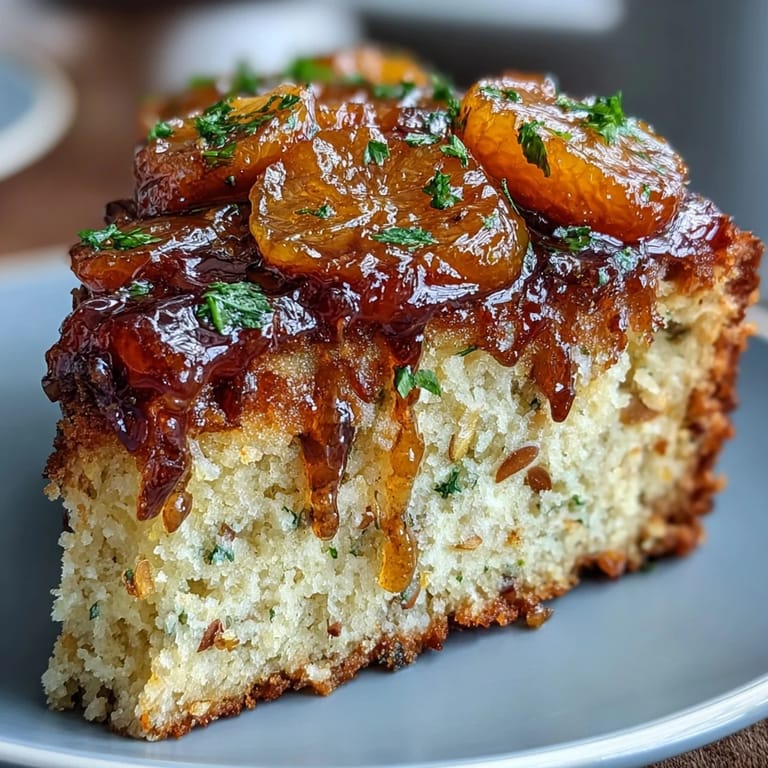
Save There was a Wednesday evening when I had two hours before unexpected guests arrived, and this cake saved me. Not because it's quick to make, but because it's the kind of dessert that feels like you've spent all day in the kitchen. My friend Sarah told me later that she'd never thought of almonds as anything but an afterthought until she tasted this cake.
Why This Cake Works Without Flour
Ground almonds have enough structure and fat to hold a cake together on their own, especially when you've properly whisked your eggs and sugar. The proteins in the eggs create a framework, and the egg yolks add richness that butter or oil alone can't achieve. I stopped thinking of this as a workaround for gluten-free baking and started seeing it as a superior method—the texture is actually more tender and keeps moist longer than a traditional cake would.
Candying Your Own Citrus
There's something deeply satisfying about watching those opaque orange slices transform into translucent jewels. The sugar syrup doesn't just coat them; it actually penetrates and preserves them, which is why this cake stays moist for days. I've started candying extra oranges just to have on hand for other desserts or afternoon tea—the process is easier than it seems once you understand that patience matters more than heat.
Storage and Serving Secrets
This cake actually improves slightly on day two as the flavors marry and the moisture redistributes. Cover it loosely with a cake dome or inverted bowl at room temperature—never refrigerate, as cold temperatures can make it taste stale and dry out the delicate crumb. If you're serving it alongside something creamy like whipped cream or Greek yogurt, add that at the last moment so it stays fresh and doesn't make the cake base soggy.
- A cake dome or large inverted bowl keeps it fresh without trapping too much moisture.
- Slice with a serrated knife dipped in hot water and wiped clean between cuts for neat portions.
- This cake is equally lovely at room temperature or slightly warm, so don't feel pressured to serve it straight from the oven.
 Save
Save This cake has become my answer whenever someone asks for a dessert that's both impressive and forgiving. It doesn't demand perfection, but it always delivers elegance.
Recipe FAQ
- → How are the candied oranges prepared?
Orange slices are simmered gently in a sugar-water syrup until translucent, then set aside to cool before using as a topping.
- → Can olive oil be used instead of butter?
Yes, substituting olive oil for butter makes the cake dairy-free while keeping it moist and flavorful.
- → What baking pan is recommended?
A 9-inch springform pan lined with parchment paper is ideal to prevent sticking and allow easy removal.
- → How should the cake be stored?
Store the cake covered at room temperature to maintain moisture for up to three days.
- → Can the cake be made with a different citrus fruit?
Yes, substituting one orange with a lemon in the candied topping adds a tangy variation to the flavor.
- → Is the cake suitable for gluten-free diets?
Absolutely, using almond flour and certified gluten-free baking powder ensures it is gluten-free.