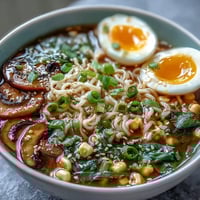
 Save
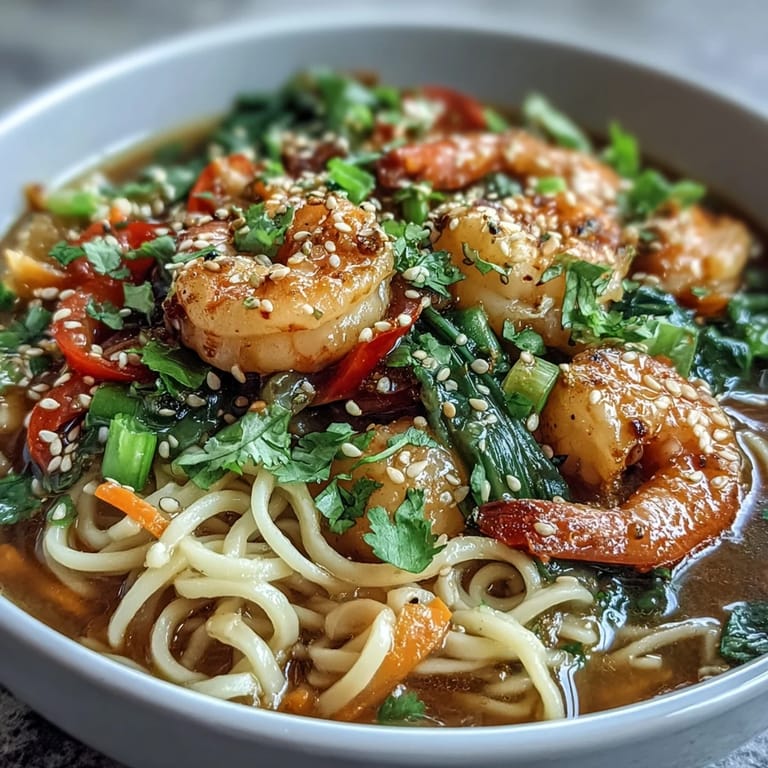
Save My neighbor once brought me a steaming bowl from a tiny noodle shop downtown, and I couldn't stop thinking about the way the broth smelled—ginger, sesame, something bright and alive. I tried recreating it the following weekend, armed with shrimp from the fishmonger and a vague memory of flavors. What came out wasn't exactly the same, but it was mine, and honestly, I liked it better. Now it's the dish I make when I need something that feels both comforting and exciting at once.
I made this for a small dinner party once, and everyone hovered around the stove as I ladled broth into bowls. There's something about building your own bowl at the table, adding lime and cilantro to taste, that turns a simple meal into a shared ritual. One friend went back for seconds and admitted she'd never cooked scallops at home before because they seemed intimidating. By the end of the night, she was planning her own noodle bowl for the next week.
Ingredients
- Large shrimp, peeled and deveined: Look for shrimp that smell like the ocean, not fishy or sour, and pat them very dry before cooking so they sear instead of steam.
- Sea scallops, cleaned and patted dry: Remove the small side muscle if it's still attached, and make sure they're completely dry or they won't caramelize properly in the broth.
- Rice noodles or soba noodles: Rice noodles go silky and slippery, while soba adds a nutty, earthy backbone—either works beautifully, just don't overcook them.
- Carrot, julienned: Thin strips cook fast and add a subtle sweetness that balances the salty, umami broth.
- Red bell pepper, thinly sliced: The sweetness and color make the bowl feel vibrant, and it stays crisp if you don't simmer it too long.
- Snow peas, trimmed: They keep their bright green crunch and add a fresh, grassy note that cuts through the richness.
- Baby bok choy, halved: The leaves wilt into the broth while the stems stay tender and slightly crunchy, giving you two textures in one ingredient.
- Spring onions, sliced: Use both the white and green parts—the whites go into the broth for depth, the greens on top for a sharp, fresh finish.
- Fresh ginger, grated: Grate it finely so it melts into the broth, releasing warmth and a little spice that wakes everything up.
- Garlic cloves, minced: Don't skip sautéing the garlic with the ginger—it blooms into something mellow and fragrant that forms the base of the whole bowl.
- Low-sodium chicken or vegetable broth: Starting with low-sodium gives you control over the saltiness, especially once you add soy and fish sauce.
- Soy sauce: This is your primary salt and umami source, so taste as you go and adjust based on your broth and personal preference.
- Fish sauce: Just a tablespoon adds a deep, savory complexity that you can't quite name but absolutely notice when it's missing.
- Sesame oil: A little goes a long way—it adds a toasty, nutty aroma that makes the whole kitchen smell incredible.
- Rice vinegar: The gentle acidity brightens the broth and keeps it from feeling too heavy or one-note.
- Chili paste (optional): I like a small spoonful stirred in at the end for warmth, but you can leave it on the side for people to add themselves.
- Fresh cilantro leaves: Some people love it, some don't—I always put it out as an optional garnish so everyone's happy.
- Toasted sesame seeds: They add a nutty crunch and make the bowl look finished and intentional.
- Lime wedges: A squeeze right before eating adds brightness and pulls all the flavors into focus.
Tired of Takeout? 🥡
Get 10 meals you can make faster than delivery arrives. Seriously.
One email. No spam. Unsubscribe anytime.
Instructions
- Cook the noodles:
- Follow the package instructions, but check a minute early—noodles continue softening in the hot broth, and you want them just tender. Rinse them under cold water to stop the cooking and keep them from clumping.
- Sauté the aromatics:
- Heat the sesame oil in a large pot over medium heat, then add the ginger and garlic. Stir constantly for about a minute until the kitchen smells warm and fragrant, but don't let them brown or they'll turn bitter.
- Build the broth:
- Pour in the broth along with the soy sauce, fish sauce, and rice vinegar, then bring everything to a gentle simmer. This is when the flavors start to meld and the broth takes on that deep, savory character.
- Add the vegetables:
- Drop in the carrots, bell pepper, snow peas, and bok choy, and let them simmer for 3 to 4 minutes. You want them tender but still with a little bite, not mushy or dull.
- Cook the seafood:
- Add the shrimp and scallops to the simmering broth and cook gently for 2 to 3 minutes, just until they turn opaque. Overcooking makes them rubbery, so watch closely and pull the pot off the heat as soon as they're done.
- Adjust the seasoning:
- Taste the broth and add more soy sauce, fish sauce, or chili paste if needed. This is your chance to make it yours—a little saltier, spicier, or brighter depending on your mood.
- Assemble the bowls:
- Divide the cooked noodles among four bowls, then ladle the hot broth, seafood, and vegetables over the top. The noodles will warm up again in the broth and soak up all those flavors.
- Garnish and serve:
- Top each bowl with sliced spring onions, cilantro, sesame seeds, and a lime wedge on the side. Let everyone squeeze their own lime and customize their bowl at the table.
 Save
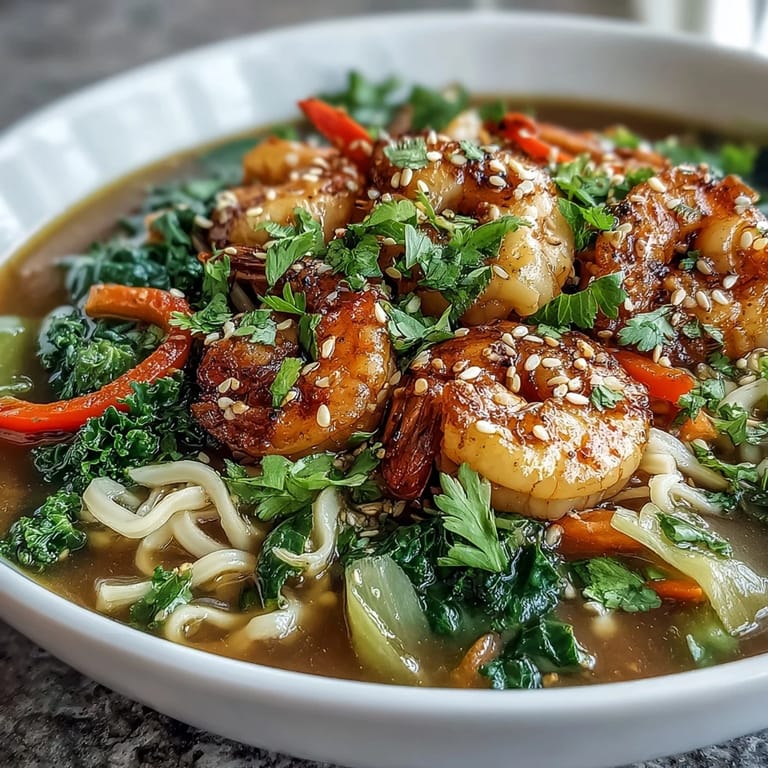
Save One rainy evening, I made this for myself and ate it curled up on the couch with a blanket, and it felt like the kind of meal that takes care of you. The broth was warm and fragrant, the noodles were slippery and satisfying, and the lime at the end made everything taste alive. It wasn't fancy or complicated, but it was exactly what I needed, and I realized that's what good food does—it meets you where you are.
Choosing Your Noodles
Rice noodles are delicate and soak up the broth beautifully, turning soft and almost melting on your tongue. Soba noodles, made from buckwheat, have more body and a slightly earthy flavor that stands up to the bold broth. I've also used udon when I wanted something chewier and more substantial, and even thin egg noodles work if that's what you have on hand. The key is to not overcook them—they'll continue softening in the hot broth, so aim for just tender when you drain them.
Making It Your Own
This recipe is endlessly flexible, and I've swapped ingredients based on what's in the fridge more times than I can count. Tofu works beautifully in place of seafood—just cube it, pan-fry until golden, and add it at the end so it stays crisp. Mushrooms, baby corn, or thinly sliced cabbage all make great additions, and I've even stirred in leftover rotisserie chicken when I needed something quick. If you don't have fish sauce, a little extra soy sauce and a pinch of sugar will get you close, and any fresh herbs you like—basil, mint, or even parsley—can stand in for cilantro.
Serving and Storing
I like to set out all the garnishes—lime wedges, chili paste, extra sesame seeds, maybe some sliced jalapeños—so everyone can build their bowl exactly how they want it. Leftovers are a little tricky because the noodles absorb the broth and get mushy, so if I know I'll have extra, I store the noodles separately and reheat the broth with the seafood and vegetables. It keeps in the fridge for up to two days, and honestly, the flavors get even better overnight. Just warm everything gently and don't let it boil, or the seafood will toughen up.
- Store noodles and broth separately to keep the noodles from turning soggy and lifeless.
- Reheat gently on the stovetop, not in the microwave, so the seafood stays tender.
- Freeze the broth on its own if you want to prep ahead, then cook fresh seafood and noodles when you're ready to eat.
 Save
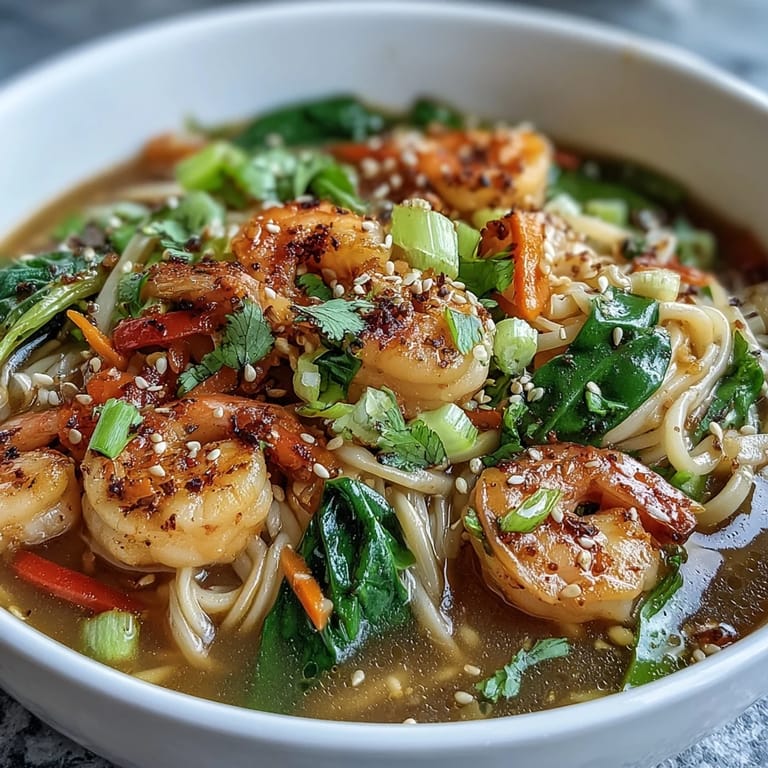
Save This bowl has become one of those recipes I reach for when I want something that feels special but doesn't demand too much from me. It's warm, it's flavorful, and it always makes me feel like I've done something good for myself and whoever I'm sharing it with.
Recipe FAQ
- → Can I use other types of seafood?
Yes, you can substitute shrimp and scallops with other seafood like squid, mussels, or cubes of firm white fish such as cod or halibut. Adjust cooking times accordingly to prevent overcooking.
- → What noodles work best for this dish?
Rice noodles and soba noodles both work beautifully. Rice noodles absorb the broth flavors well, while soba adds a nutty buckwheat taste. Udon or egg noodles are also suitable alternatives.
- → How do I prevent overcooking the seafood?
Add shrimp and scallops during the last 2-3 minutes of simmering. Watch carefully—shrimp turn pink and scallops become opaque quickly. Remove from heat immediately once cooked through to maintain tenderness.
- → Can I make this vegetarian?
Absolutely. Omit the seafood and substitute with firm tofu cubes or tempeh. Use vegetable broth instead of chicken broth. The vegetables and aromatic broth provide plenty of flavor and depth.
- → How spicy is this dish?
The base dish is mild with balanced savory flavors. Add chili paste to taste if you prefer heat. Start with ½ teaspoon and adjust upward, as the intensity varies by brand.
- → Can I prepare components in advance?
You can julienne vegetables and prepare the broth up to a day ahead. Cook noodles fresh just before serving, as they can become sticky. Reheat broth and vegetables before adding seafood for the best results.