 Save
Save The smell of toasted sesame oil hitting a hot pan still takes me back to a tiny kitchen where counter space was a luxury. I was craving something bright and filling, something that tasted like the noodle joints I could never quite afford to visit regularly. Armed with a bag of rice noodles and whatever vegetables were left in the crisper, I started tossing things together. What emerged was this bowl, vibrant and satisfying, that somehow tasted better than anything I remembered ordering out.
I made this for a friend who was convinced she hated cooking. We chopped vegetables side by side, and she kept asking if we were doing it right, as if there was a wrong way to slice a cucumber. When we sat down with our bowls, she went quiet for a moment, then looked up and said it tasted like the kind of meal that makes you feel taken care of. That comment stuck with me more than any compliment about flavor ever could.
Ingredients
- Boneless, skinless chicken breast or thighs (500 g, thinly sliced): Thighs stay juicier and more forgiving if you overcook them slightly, but breasts work beautifully if sliced thin and not left on the heat too long.
- Tamari (3 tbsp): This is the backbone of the sauce, salty and rich without the sharpness of regular soy sauce, and naturally gluten free if that matters to you.
- Fish sauce (1 tbsp): It smells strong in the bottle, but it adds a deep, savory undertone that makes the whole dish taste more complex and rounded.
- Rice vinegar (2 tbsp): The gentle acidity brightens everything and keeps the sauce from feeling too heavy or one note.
- Honey (1 ½ tbsp): Just enough sweetness to balance the salty and sour elements without turning the sauce into something sticky or dessert like.
- Toasted sesame oil (2 tbsp): This is where the nutty, toasted aroma comes from, the kind that fills your kitchen and makes everyone ask what you are cooking.
- Neutral oil (2 tbsp): Canola or sunflower oil works perfectly for cooking the chicken without adding competing flavors.
- Garlic (3 cloves, minced): Fresh garlic adds sharpness and warmth, and it blooms beautifully when whisked into the sauce.
- Freshly grated ginger (1 tsp, optional): A little ginger adds a bright, spicy note that makes the sauce feel more lively and aromatic.
- Chili flakes or Sriracha (1 tsp, optional): For those who like a little heat, this adds just enough kick without overwhelming the other flavors.
- Dried rice noodles (250 g): They cook fast, stay tender, and soak up the sauce without becoming mushy if you rinse them in cold water after draining.
- Carrot (1 medium, julienned): Adds crunch and a touch of sweetness, plus it makes the bowl look colorful and fresh.
- Cucumber (1 small, thinly sliced): Cool and crisp, it balances the warm chicken and noodles with a refreshing bite.
- Bell pepper (1, thinly sliced): Any color works, but red or yellow peppers add a natural sweetness and vibrant color.
- Spring onions (4, sliced): They add a sharp, grassy note that cuts through the richness of the sauce.
- Bean sprouts (100 g): Light and crunchy, they add texture and a subtle freshness that makes the bowl feel lighter.
- Fresh cilantro (2 tbsp, chopped): Bright and herbal, it ties all the flavors together and adds a final burst of freshness.
- Toasted sesame seeds (2 tbsp): A small detail that adds texture and a gentle nuttiness to every bite.
- Lime wedges: A squeeze of lime at the end wakes everything up and adds a bright, citrusy finish.
Tired of Takeout? 🥡
Get 10 meals you can make faster than delivery arrives. Seriously.
One email. No spam. Unsubscribe anytime.
Instructions
- Prepare the marinade and sauce:
- In a medium bowl, whisk together tamari, fish sauce, rice vinegar, honey, sesame oil, neutral oil, garlic, and ginger until smooth and well combined. Pour half into a separate small bowl and set it aside for drizzling later, then add the sliced chicken to the remaining marinade and let it sit for 15 minutes.
- Cook the noodles:
- Bring a large pot of water to a boil and cook the rice noodles according to package instructions, usually just a few minutes. Drain them in a colander, rinse under cold water to stop the cooking, and set aside so they do not stick together.
- Cook the chicken:
- Heat a large skillet or wok over medium high heat until it is quite hot. Add the marinated chicken in a single layer and let it cook undisturbed for a couple of minutes to get a nice sear, then stir and cook for another 5 to 7 minutes until cooked through and lightly browned at the edges.
- Assemble the bowls:
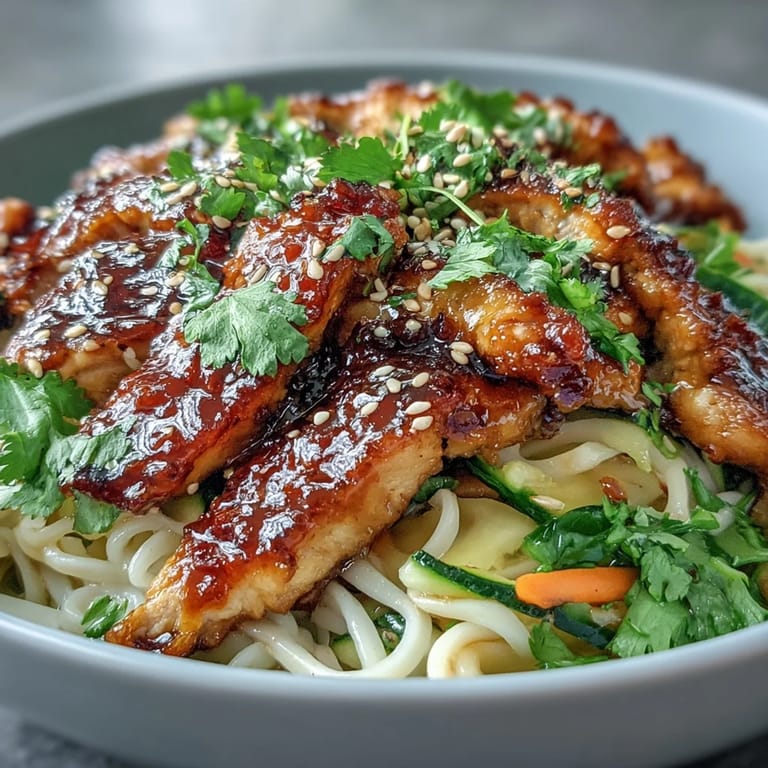
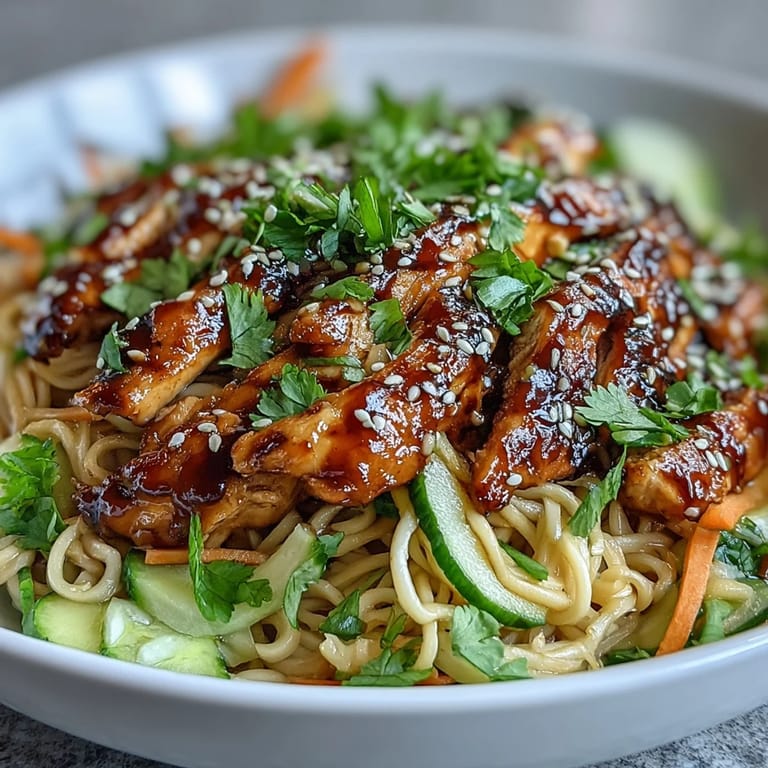
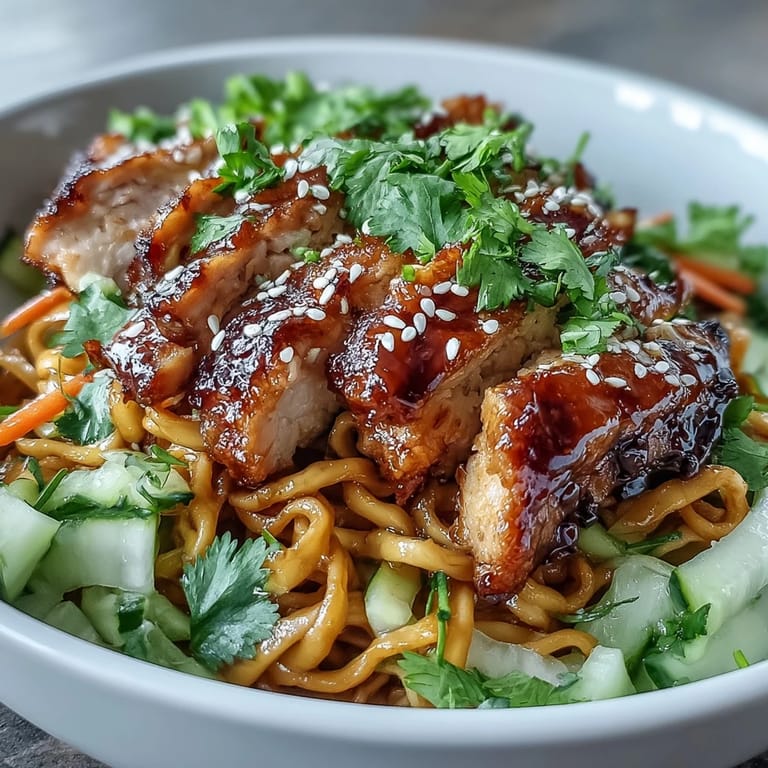
- Divide the cooked noodles among four bowls, then arrange the cooked chicken, julienned carrot, sliced cucumber, bell pepper, bean sprouts, and spring onions over the top in separate sections for a vibrant presentation. Drizzle the reserved sauce generously over each bowl.
- Garnish and serve:
- Sprinkle chopped cilantro and toasted sesame seeds over each bowl, then add a lime wedge on the side. Serve immediately while the chicken is still warm and the vegetables are crisp, with extra chili flakes or Sriracha available for anyone who wants more heat.
 Save
Save One evening, I served this to my brother, who usually eats in front of his computer without really tasting anything. He paused, looked down at the bowl, and said it reminded him of a trip we took years ago, somewhere with street vendors and little plastic stools. We had not talked about that trip in ages. Funny how food can unlock memories you did not know you were both holding onto.
Swapping and Substituting
If chicken is not your thing, firm tofu works beautifully here, especially if you press it first to remove excess water and let it crisp up in the pan. For a vegetarian version, swap fish sauce for a vegetarian mushroom sauce or just add a little extra tamari and a pinch of sugar. You can also use shrimp instead of chicken, though it cooks much faster, so keep a close eye on it. Wheat noodles, soba, or even spiralized zucchini can replace rice noodles if you are looking for a different texture or a lower carb option.
Making It Your Own
This bowl is incredibly flexible, and I have never made it exactly the same way twice. Add edamame or snap peas if you want more protein and crunch, or toss in shredded cabbage for extra volume and a bit of bite. If you like things spicy, double the chili flakes or add a spoonful of sambal oelek directly into the sauce. Sometimes I add a soft boiled egg on top, because the yolk mixes into the sauce and makes everything richer. Fresh mint or Thai basil can replace cilantro if you want a different herbal note.
Storing and Reheating
Leftovers keep well for up to two days in the fridge, though I recommend storing the components separately if you can. Keep the noodles, chicken, and vegetables in separate containers, and store the sauce in a small jar. When you are ready to eat, you can assemble a fresh bowl and either enjoy it cold, which is surprisingly good, or gently reheat the chicken and noodles in a pan with a splash of water.
- If reheating in the microwave, add a tablespoon of water to the noodles to keep them from drying out.
- The vegetables are best eaten fresh and crisp, so add them cold even if you reheat the rest.
- Extra sauce can be stored in the fridge for up to a week and used on grain bowls, salads, or stir fries.
 Save
Save This bowl has become one of those recipes I return to when I need something nourishing but do not want to think too hard. It feels like a small act of care, both for yourself and for anyone lucky enough to share the table with you.
Recipe FAQ
- → What type of noodles work best?
Rice noodles are traditional and gluten-free, but wheat noodles, soba, or even uwork well. Choose noodles that hold their texture when tossed with sauce.
- → Can I make this ahead?
Prepare components in advance—marinate chicken, chop vegetables, and mix sauce. Cook noodles and assemble bowls just before serving for best texture.
- → How spicy is this dish?
The base version is mild. Add chili flakes or Sriracha to the sauce or serve on the side so diners can adjust heat to their preference.
- → What can I substitute for fish sauce?
For vegetarian options, use vegetarian fish sauce or additional tamari with a splash of rice vinegar. The flavor profile will change slightly.
- → How do I store leftovers?
Store components separately in airtight containers. Noodles absorb sauce quickly, so keep sauce separate and toss just before eating.
- → Can I use tofu instead of chicken?
Yes, press firm tofu, slice, and marinate the same way. Pan-fry until golden before assembling bowls for protein-rich vegetarian version.