 Save
Save There's something about the quiet ritual of making hojicha macchiato that stops me mid-morning. Last winter, I stumbled into a tiny tea shop in Kyoto during a rainstorm, and the barista handed me a small cup with that perfect dot of foam floating on the burnished tea. The warmth of it, the earthy roast cutting through the silk of milk—it felt less like a beverage and more like a pause button for the day.
I made this for my neighbor one Tuesday morning when she came over stressed about a work presentation. She sat at my kitchen counter watching the milk foam rise, and by the time she held that cup, something in her shoulders just softened. That's when I realized this drink wasn't really about the hojicha at all—it was about the permission to slow down.
Ingredients
- Hojicha loose leaf tea or tea bag: Use 1 1/2 teaspoons of loose leaves or one bag—this roasted green tea is the soul of the drink, with a deeper, almost woody flavor that's gentler on the stomach than regular green tea.
- Hot water: 150 ml (about 2/3 cup) heated to 90°C (195°F)—too hot and you'll scorch the delicate roasted notes, too cool and the tea won't open up properly.
- Whole milk or oat milk: 40 ml (2–3 tablespoons)—whole milk froths into clouds naturally, but oat milk has this creamy sweetness that pairs beautifully if you're dairy-free.
Tired of Takeout? 🥡
Get 10 meals you can make faster than delivery arrives. Seriously.
One email. No spam. Unsubscribe anytime.
Instructions
- Heat your water with intention:
- Bring water to around 90°C (195°F)—if you don't have a thermometer, let boiling water cool for about 30 seconds. This temperature respects the hojicha's subtle roasted character without burning it.
- Brew the tea gently:
- Pour the hot water over your hojicha leaves or tea bag and let it steep for 2–3 minutes. You'll notice the color shifting from pale gold to a deeper amber—that's how you know the flavors are releasing.
- Froth the milk while brewing:
- Use a milk frother, small whisk, or even a jar with a tight lid—shake it hard for about a minute until the milk doubles in volume and gets that fine, silky foam. The key is gentle heat; cold milk froths better anyway.
- Pour with purpose:
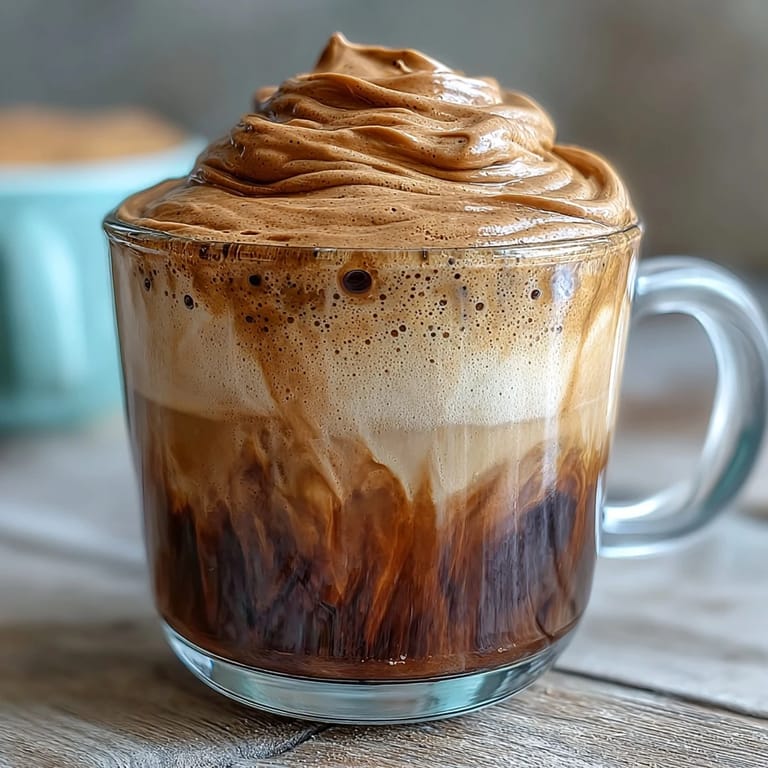
- Transfer your brewed hojicha into an espresso cup or small mug, then pour the steamed milk in slowly. The foam will naturally sit on top, creating that signature dot of cream.
- Top with the foam finale:
- Using a spoon, guide a small amount of the milk foam onto the center of your tea, letting it float like a tiny cloud. Serve immediately while everything's still warm.
 Save
Save I've started keeping loose hojicha in a small glass jar on my counter now, visible and inviting. It's become the drink I reach for on mornings when I need to feel held by something warm, or afternoons when the day's gotten too loud.
The Art of the Perfect Foam
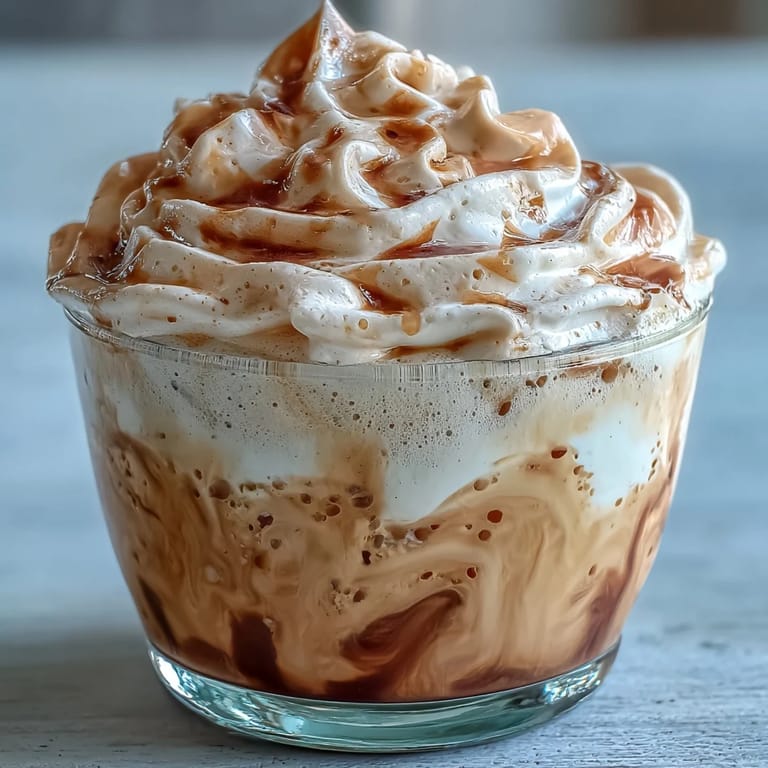
The difference between a drink and an experience often comes down to that tiny layer of foam. When you froth milk for hojicha macchiato, you're not looking for aggressive bubbles—those collapse too fast. Instead, you want that smooth, velvety microfoam that clings to your lip and melts on your tongue. If you're using a frother, pour the milk in cold; if you're whisking by hand, let it warm gently over low heat as you whisk, and stop just as it begins to steam.
Hojicha vs. Other Japanese Teas
Hojicha is the roasted cousin in the Japanese tea family, which means it has less caffeine and a toastier personality than its fresher relatives like sencha or matcha. That roasting process is what gives it that almost coffee-like depth—earthy, warming, never grassy or sharp. It's why hojicha works so beautifully in a macchiato format; it doesn't fight the milk, it dances with it.
Making It Your Own
This recipe is a starting point, not a rulebook. Some mornings I dust the foam with a pinch of cinnamon or a whisper of cocoa powder, which adds another layer of warmth. On sweeter days, I'll stir a teaspoon of honey into the tea before the milk goes in, letting it dissolve into amber silk. The roasted tea is robust enough to welcome these variations without losing its character.
- A tiny sprinkle of sea salt on top of the foam creates an unexpected contrast that brings the tea's roasted notes forward.
- If you can find it, hojicha powder (like a less intense matcha) whisked into cold milk makes a cold macchiato that's just as lovely on warm days.
- Keep your hojicha in an airtight container away from light, and it'll stay fresh and fragrant for weeks.
 Save
Save This drink has taught me that the smallest rituals can reshape an entire morning. Make one today, and notice how everything else slows down to match its pace.
Recipe FAQ
- → What is hojicha?
Hojicha is a Japanese green tea that has been roasted over charcoal, giving it a distinctive reddish-brown color and a warm, nutty flavor profile with lower caffeine content than other green teas.
- → Can I make this without a milk frother?
Yes! You can heat milk in a small saucepan and whisk vigorously, or use a handheld whisk, immersion blender, or even shake warm milk in a sealed jar to create froth.
- → Is hojicha macchiato caffeinated?
Hojicha naturally contains less caffeine than other green teas due to the roasting process, making this a gentler option for those sensitive to caffeine, especially in the evening.
- → What milk alternatives work best?
Oat milk froths exceptionally well and creates a creamy texture, while soy milk also produces good foam. Almond and coconut milk can be used but may yield lighter froth.
- → Should I add sweetener?
The drink is delicious unsweetened, but you can add honey, brown sugar, or maple syrup to the hot tea before topping with milk. The roasted flavor pairs beautifully with warm sweetness.
- → What's the ideal water temperature for hojicha?
Heat water to approximately 90°C (195°F) – just below boiling. Using boiling water can scorch the already-roasted leaves and make the taste overly bitter.