 Save
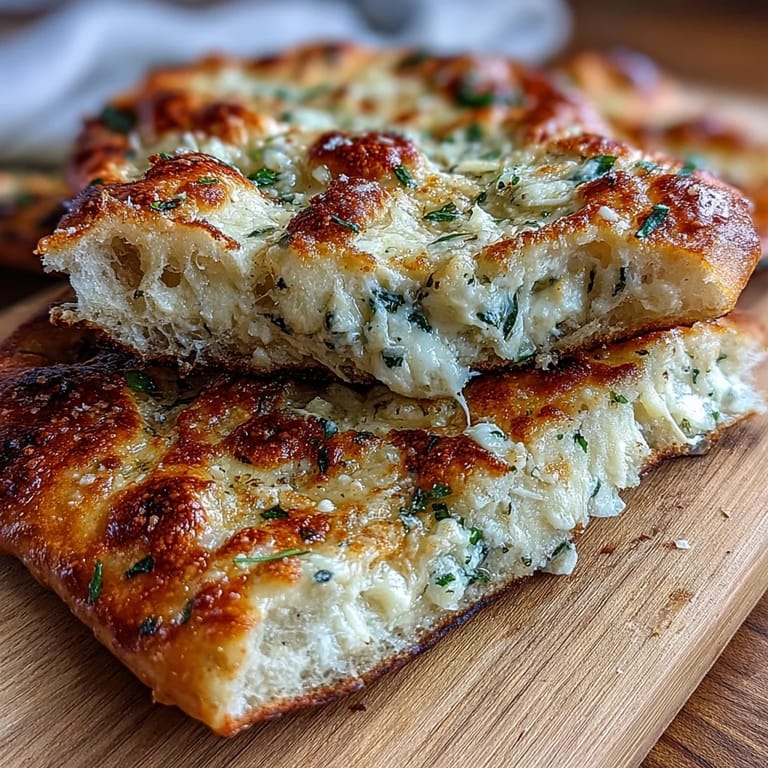
Save The first time I attempted homemade naan, I was hosting a dinner party and completely underestimated how much better fresh bread would taste than store-bought. My tiny apartment kitchen filled with the most incredible aroma of garlic and butter, and my guests actually hovered around the stove waiting for each piece to finish cooking. Now I make a double batch whenever we have curry night because they disappear faster than I can brush them with butter.
Last winter during a snowstorm, I taught my sister how to make naan over video call. She was skeptical about needing yeast, but when she texted me a photo of her gorgeous golden bubbles and said she ate three pieces straight from the pan, I knew I had converted her. There is something so rewarding about watching those bubbles puff up and turn golden brown.
Ingredients
- All-purpose flour: This creates the perfect structure for soft, pliable dough that still holds together when you pick it up
- Active dry yeast: The rising agent that gives naan its signature pillowy texture and those gorgeous bubble pockets
- Sugar: Just a teaspoon helps feed the yeast and gives a subtle sweetness that balances the savory garlic butter
- Warm water: Must be around 110°F, think bathwater temperature, to activate the yeast without killing it
- Salt: Essential for flavor, do not skip this or your bread will taste flat and uninspiring
- Plain yogurt: The secret ingredient that keeps naan tender and adds a subtle tang that complements Indian spices
- Oil or ghee: Adds richness to the dough and helps create those beautiful golden spots when cooking
- Minced garlic: Fresh garlic, not powder, creates that aromatic punch that makes this bread irresistible
- Melted butter: Brushing this on immediately after cooking is what gives restaurant-quality shine and flavor
Tired of Takeout? 🥡
Get 10 meals you can make faster than delivery arrives. Seriously.
One email. No spam. Unsubscribe anytime.
Instructions
- Wake up the yeast:
- Combine the warm water and sugar in your large bowl, sprinkle in the yeast, and give it a gentle stir. Let it hang out for about 10 minutes until you see a frothy layer on top, which means it is alive and ready to work.
- Mix the dough:
- Add the flour, salt, yogurt, and oil to the yeast mixture. Stir with a spoon until it starts to come together, then get your hands in there to form a rough, shaggy dough ball.
- Knead until smooth:
- Turn the dough onto a floured surface and knead for 5 to 7 minutes, pushing it away with your palm and folding it back over itself. The dough should transform from sticky and rough to smooth, elastic, and slightly tacky.
- Let it rise:
- Place your dough in a greased bowl, cover it with a damp cloth, and find the warmest spot in your kitchen. Let it rest for about an hour until it has doubled in size.
- Shape the naan:
- Punch down the dough gently to release air, then divide it into 8 equal portions. Roll each piece into an oval or teardrop shape, about a quarter inch thick, and do not worry if they are not perfect.
- Heat your pan:
- Get a cast iron skillet or heavy pan ripping hot over medium-high heat. You want it hot enough that when you flick a drop of water in it, it sizzles and dances.
- Cook the first side:
- Lay one naan in the dry pan and watch as bubbles start to form across the surface. Cook for 2 to 3 minutes until the bottom has golden brown spots and looks appetizing.
- Flip and finish:
- Flip the naan and cook another 1 to 2 minutes until the other side is golden too. Remove immediately and brush generously with melted butter mixed with fresh garlic.
- Keep them warm:
- Stack the finished naan on a plate and cover with a clean towel while you cook the rest. Serve warm, when they are at their absolute best.
 Save
Save My daughter now requests this naan for her birthday dinner every year instead of cake. She stands on a step stool at the stove, carefully brushing each piece with butter and stealing bites when she thinks I am not looking. Those moments of her flour-dusted face and garlic butter fingers are better than any restaurant meal.
Getting The Perfect Rise
I used to think my yeast was dead whenever dough did not rise, but usually the problem was actually my kitchen being too cold. Now I turn my oven on to the lowest setting for just 60 seconds, then turn it off and let the dough rise inside with the door cracked. The gentle warmth works like magic every single time.
Pan Selection Matters
After trying different pans, I have learned that cast iron or heavy-bottomed pans really do make a difference. Thin pans cook unevenly and leave you with burnt spots and raw patches. The heat retention of a good heavy pan creates those beautiful golden bubbles that make naan look so inviting.
Make-Ahead Magic
You can mix and knead the dough up to 24 hours ahead if you store it in the refrigerator after the first rise. When you are ready to cook, just let the dough come to room temperature for about 30 minutes before shaping. This actually develops more flavor and fits perfectly into busy weeknight schedules.
- Wrap cooked naan in foil and reheat in a 350°F oven for 5 minutes
- Freeze uncooked naan between layers of parchment paper for up to 3 months
- Cook frozen naan directly in the pan, adding just 1 extra minute per side
 Save
Save There is nothing quite like tearing into a piece of warm, garlic-brushed naan fresh from the pan. I hope this recipe brings as many joyous, buttery moments to your table as it has to mine.
Recipe FAQ
- → How do I get my naan perfectly fluffy?
Ensuring your yeast is active and allowing the dough to rise fully in a warm spot are key. Also, avoid overworking the dough during kneading and rolling to maintain its light texture.
- → Can I make this ahead of time?
While best enjoyed fresh, you can prepare the dough a day in advance and let it rise slowly in the refrigerator. Bring it to room temperature before dividing and cooking. Cooked naan can be reheated gently in a skillet.
- → What can I serve with this flatbread?
It's excellent for scooping up any Indian curry or dal. It also pairs wonderfully with grilled meats, kebabs, or as a flavorful base for wraps. Don't forget a sprinkle of fresh cilantro!
- → Can I use different types of flour?
All-purpose flour works best for this particular version, providing the desired soft and chewy texture. While some whole wheat flour could be incorporated, it might change the naan's characteristic softness.
- → What's the secret to good garlic butter?
Using freshly minced garlic is crucial for maximum flavor. Gently melting the butter and infusing it with the garlic just before brushing ensures a vibrant, aromatic topping that elevates the flatbread's taste.